
Layouts
#L5929
two-character poster — Two Figures · Bottom Title · High Contrast
L5929 · two-character poster — Two Figures · Bottom Title · High Contrast. Explore the reference image and prompt, then open this composition in the layout tool.
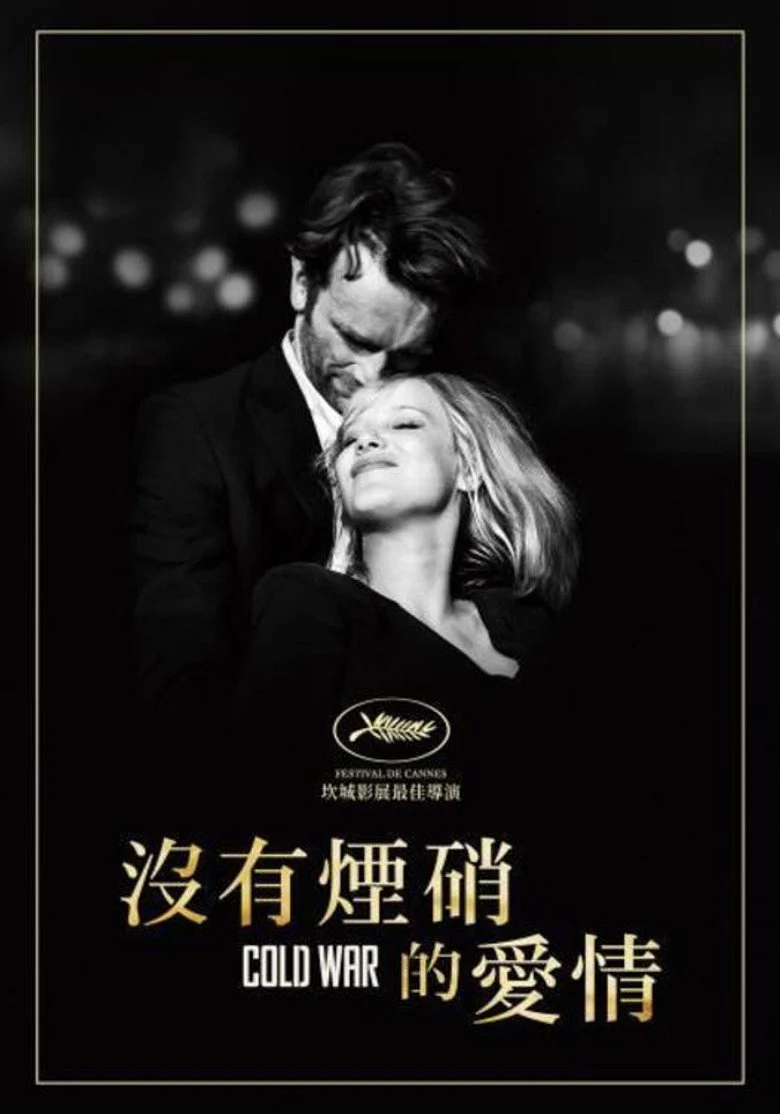
Reference details
- Layout ID
- L5929
Reference prompts
Layout reference prompt
An arthouse romance poster shows a couple dancing in black-and-white, the man dipping the woman. The adult man's dark suit contrasts the adult woman's light dress and flowing blonde hair, her face blissful. The background's bokeh suggests a nightclub. The Cannes laurel sits above the title. The monochrome's elegance is timeless. The dance's passion is frozen. The woman's abandon is beautiful. The man's strength supports. The Cold War's shadow looms. The bokeh's softness is romantic. The composition's diagonal is dynamic. The arthouse prestige is absolute. The love-across-divides theme aches. The black-and-white's purity focuses. The dance's motion is implied. The woman's hair flows. The man's gaze is tender. The nightclub's glamour whispers. The title "TITLE" appears in large golden Chinese characters in an elegant serif style. Beneath, the English words "COLD WAR" appear in smaller white capitals. The gold title's luxury suits the epic romance. The Cannes laurel's prestige shows. Classic high-contrast lighting sculpts the dancers in stark black-and-white, the bokeh glowing softly. Their faces show dramatic modeling. The dress flows. The laurel shines. The lighting's classicism suits the arthouse. The Stalinist's grip tightens. The folk troupe's tour travels. The Paris's exile beckons. The jazz's improvisation frees. The Berlin's wall divides. The passport's stamp controls. The love's obsession consumes. The music's power transcends. The 15 years' span epic. The black-and-white's choice stuns. The director's personal story aches. The singer's voice haunts. The pianist's hands play. The border's crossing risks. The reunion's joy sours. The finale's ruin mourns. The Palme's competition honors. The masterwork's status cements. The heartbreak's beauty lingers. The Stalinist's grip tightens. The folk troupe's tour travels. The Paris's exile beckons. The jazz's improvisation frees. The Berlin's wall divides. The passport's stamp controls. The love's obsession consumes. The music's power transcends. The 15 years' span epic. The black-and-white's choice stuns. The director's personal story aches. The singer's voice haunts. The pianist's hands play. The border's crossing risks. The reunion's joy sours. The finale's ruin mourns. The Palme's competition honors. The masterwork's status cements. The heartbreak's beauty lingers. The Zula's song captivates. The Wiktor's obsession destroys. The 1949's Poland grays. The 1964's Paris glows. The folk music's authenticity roots. The jazz club's smoke curls. The communist's censorship stifles. The defection's risk thrills. The reunion's passion burns. The separation's pain cuts. The abortion's tragedy scars. The beating's brutality shocks. The final's bench mourns. The Palme d'Or's nomination honors. The Oscar's foreign shortlist. The composition dips the lovers in monochrome passion above the golden title; the palette of pure black-white and title gold gives the poster a timeless arthouse style and a mood of doomed transcendent love.