
Layouts
#L3486
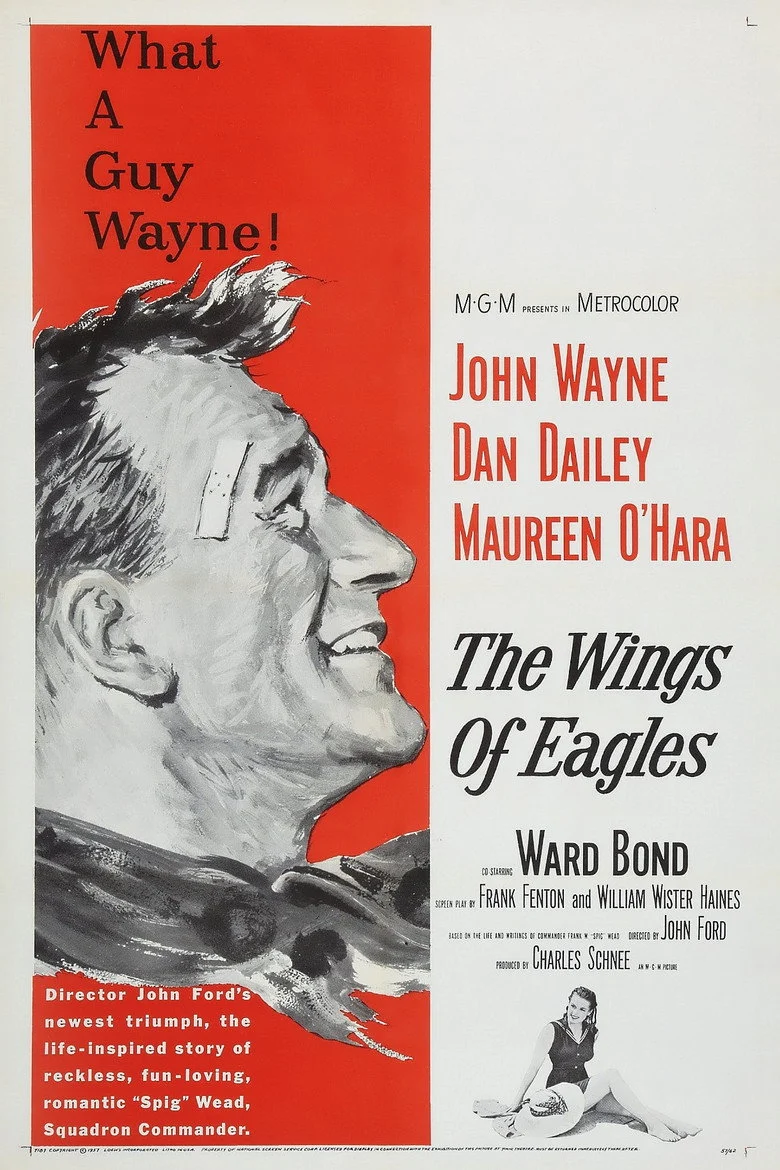
vertical typography — Split-panel layout, with stacked title lines and tagline
L3486 · vertical typography — Split-panel layout, with stacked title lines and tagline. Explore the reference image and prompt, then open this composition in the layout tool.
Reference details
- Layout ID
- L3486
Reference prompts
Layout reference prompt
A mid-century movie poster split into a vermilion-red left panel and an off-white right panel, presenting a painted adult man's profile beside a column of typography, all framed by a thin white margin. Across the entire left panel, a flat, unmodulated red fills the field from the top edge to the bottom, glowing like a theater curtain. In the upper-left corner of the red panel, a black serif tagline runs four stacked lines, reading "What A Guy" above an "ACTOR NAME" placeholder capped with an exclamation mark. Below the tagline, a large monochrome painted head in profile dominates the red panel, an adult man caught mid-laugh with eyes crinkled shut, windswept dark hair, and a small rectangular bandage on his forehead. A few stray hairs lift off his crown, suggesting wind or motion. The brushwork models his cheek, ear, and jaw in loose washes of gray, black, and white, the paint handling energetic and visible. A dark scarf or coat collar wraps the bottom of the painted head, its folds dissolving into rough strokes at the panel's lower boundary. In the lower-left corner of the red panel, a small block of white sans-serif promotional copy runs five lines, its wording too small to reproduce beyond its layout. On the right side, the off-white panel begins at the top edge with a small black studio credit line centered in dotted serif capitals, accompanied by a format credit. Below it, three large red uppercase sans-serif "ACTOR NAME" lines stack in decreasing emphasis, each name centered. The red names are the brightest element on the cream side, pulling the eye downward. At the center of the cream panel, a large black italic serif "TITLE" placeholder spreads across two lines, its elegant swashes giving it a classic studio-era flourish. In the lower third of the cream panel, a compact centered block of small black credit type lists the supporting cast and crew, the lettering too small to read individually. In the bottom-right corner, a small monochrome illustration shows a seated adult woman in a dark sleeveless dress, legs extended to the side, holding a wide-brimmed hat in her lap, her expression bright. The woman's illustration is rendered in fine pen-and-wash strokes, delicate against the panel's emptiness. The lighting is flat vintage print color, the painted head modeled in soft gray brushwork, the red panel glowing uniformly, and the cream panel carrying no shadow, as if evenly lit for reproduction. The palette is restrained to vermilion, black, cream, and gray, with the red actor names echoing the left panel. The contrast between the exuberant painted portrait and the orderly typographic column gives the sheet its period charm. Overall, the composition balances the bold red pictorial panel against the quiet cream text panel in a clean vertical split, and its mid-century studio style, red-cream-black palette, and jovial, celebratory mood make it a cheerful piece of Hollywood classicism.