
Layouts
#L5209
ensemble poster design — Small Figure, Vast Scene · Negative Space · Oversized Title
L5209 · ensemble poster design — Small Figure, Vast Scene · Negative Space · Oversized Title. Explore the reference image and prompt, then open this composition in the layout tool.
Reference details
- Layout ID
- L5209
Reference prompts
Layout reference prompt
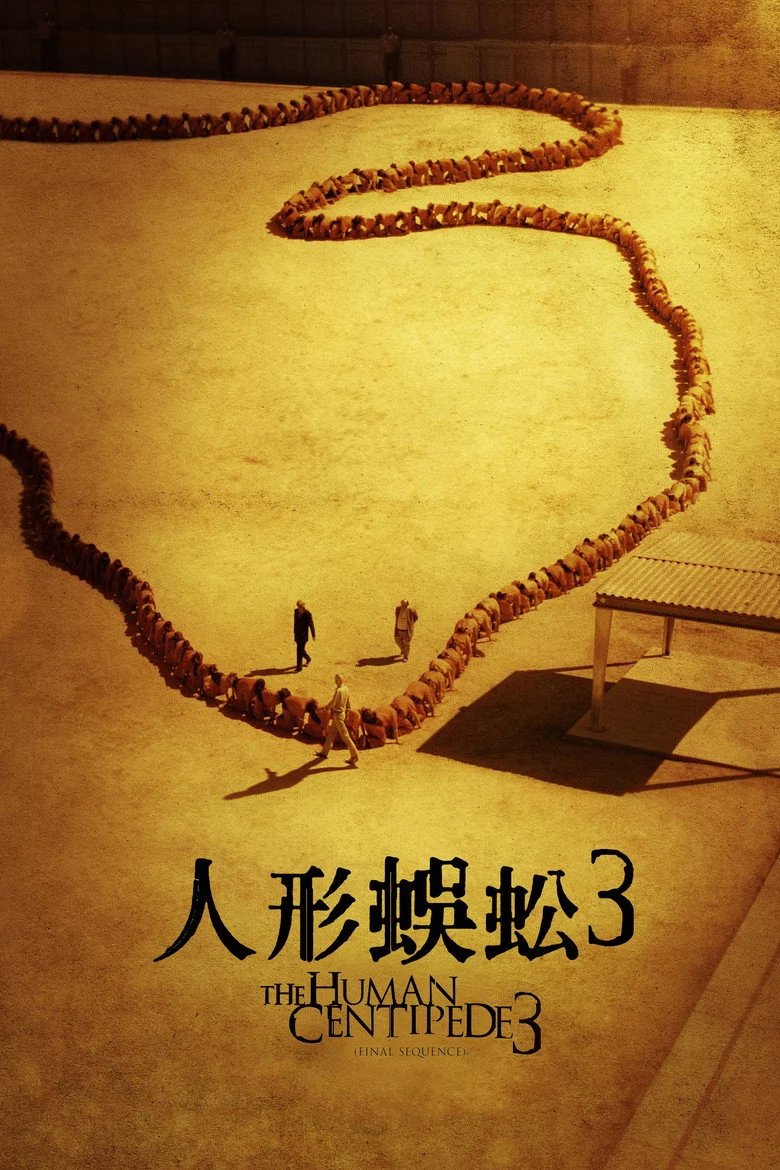
A horror movie poster shows an aerial view of a desert prison yard where hundreds of tiny figures form a giant serpentine pattern. Across the entire frame, the small nude adult figures are arranged in a long winding chain, curving across the sandy yard like a living diagram. The figures are seen from a great height, rendered as small brown shapes against the pale sand. Three slightly larger figures stand apart near the chain's lower curve: two in dark uniforms and one in white. In the background, the prison's high walls enclose the yard on all sides. A small guard tower and a covered structure sit at the yard's right edge. Their long shadows stretch across the sand in the low light. The sand is textured with footprints and disturbances around the human chain. Across the lower third, the Chinese title appears in large black characters, shown as "TITLE", stark against the sand. Beneath it, the English title appears in smaller black serif letters, shown as "TITLE", stacked in three lines. In the lower-left corner, the chain's tail curves toward the frame's edge. In the lower-right corner, the covered structure's shadow darkens the sand. In the upper-left corner, the chain's head disappears toward the frame's edge. In the upper-right corner, the prison wall meets the hazy sky. Behind the yard, the desert stretches to a pale horizon. At the top edge, the hazy sky lightens almost to white. The aerial perspective flattens the scene into an abstract pattern. The figures' arrangement is precise and deliberate, forming smooth curves. The guards' dark uniforms contrast with the pale figures and sand. The covered structure's metal roof shows corrugated detail. The prison walls are high and featureless, emphasizing confinement. The overall image is disturbing in its clinical detachment. The lighting is the flat, harsh light of desert midday, bleaching the sand almost white with minimal shadows. Fine detail is limited by the extreme aerial distance, rendering the scene in abstract shapes. The poster's power comes from its God's-eye view of dehumanization. The black titles anchor the composition with typographic weight. The sepia-toned sand dominates the color palette. The chain's curves form an almost perfect cursive shape, visible only from this extreme aerial vantage point. The two uniformed figures appear to be directing the arrangement, standing apart like conductors of a grim orchestra. Overall, the aerial-pattern composition reduces humans to a shocking design, the bleached sand-and-black palette and detached documentary photographic style carrying a chilling, clinical mood of systematic horror.