
Styles
#0283
Rick Baker style reference and prompts
Explore the “Rick Baker” reference with fine surface detail, side lighting, and tactile surfaces. View the images, copy the style or example prompt, and discover related styles on Looksift.
Compare the Qwen Image 2.1 and GPT Image 2.5 examples, choose the visual qualities you want, and copy the style prompt for your own project.
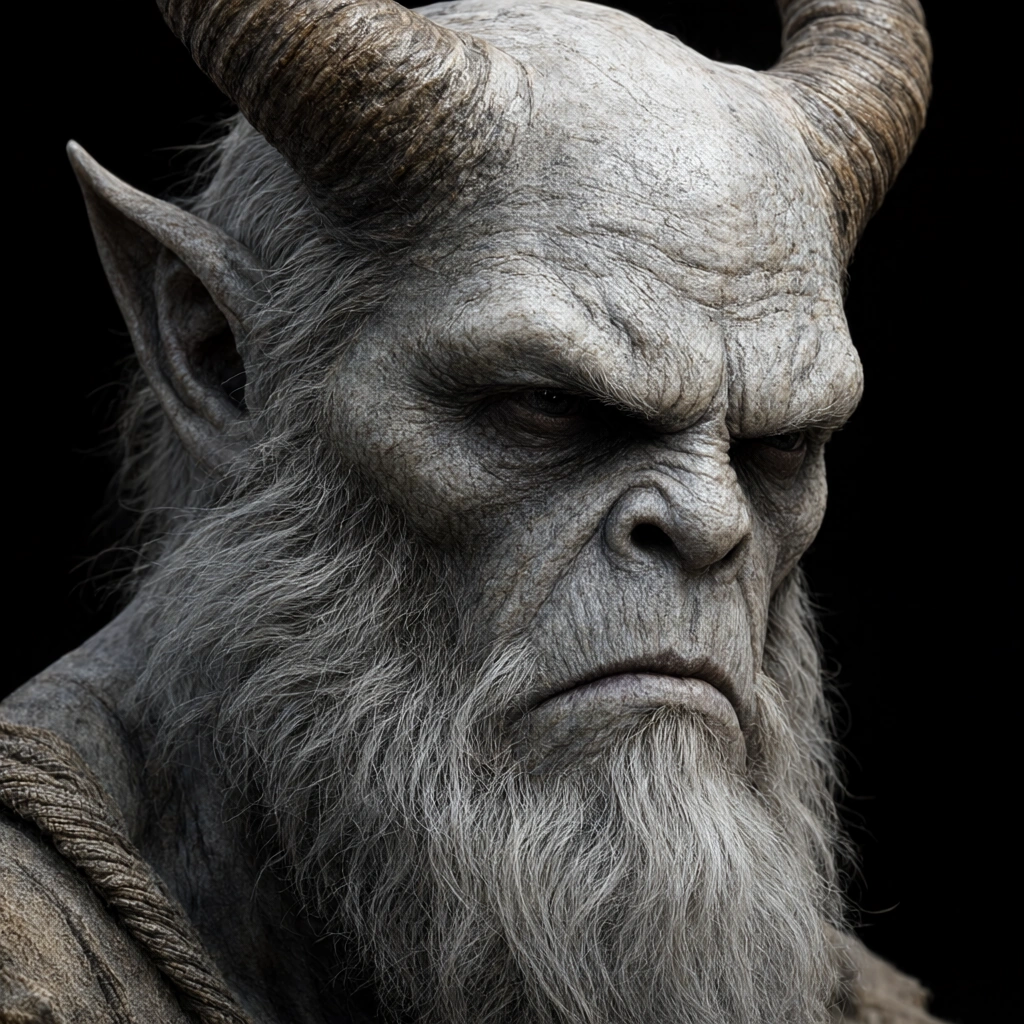 Qwen Image 2.1
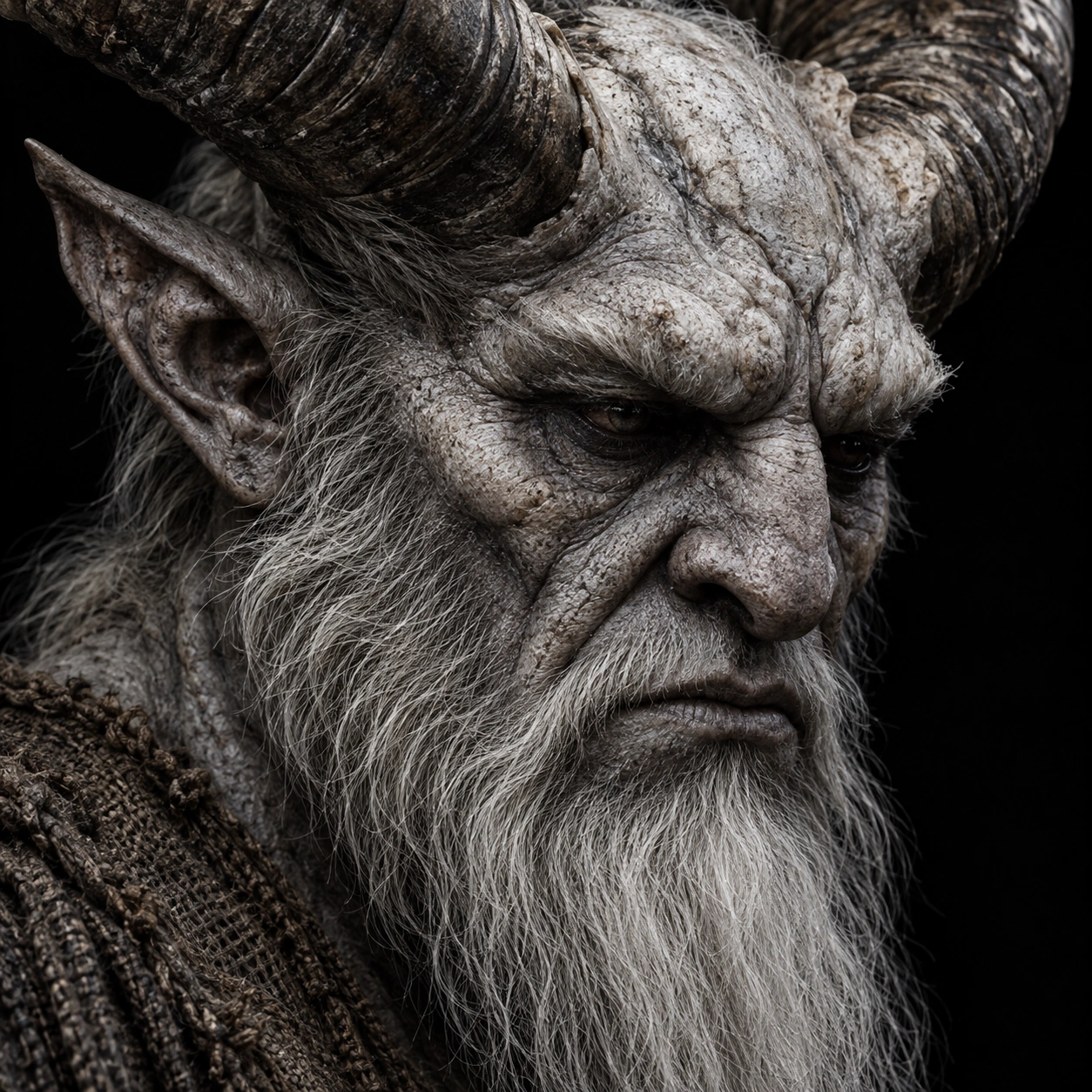 GPT Image 2.5
Reference details
- Reference ID
- 0283
- Category
- Photography
Reference prompts
Style prompt
A hyperreal practical-effects photographic treatment uses an extreme close crop, a nearly featureless black surround, and meticulous tactile surface detail. Cool bone gray and charcoal dominate, with very small earthy brown undertones. Raised ridges catch soft upper-side light while cavities fall into deep, controlled darkness; this grazing illumination reveals pores, cracks, rough fibers, fine striations, and individual pale strands. The central form has dense sculptural modeling rather than painterly simplification, and its irregular contours nearly touch the frame on multiple sides. Matte textured areas contrast with slightly smoother worn highlights, giving every material a different light response. The background remains flat and black, separating the complex silhouette without contextual clutter. Soft-edged light prevents a hard theatrical spotlight, but the high local contrast makes raised details feel sharply physical. The composition is severe, intimate, and cinematic, using close scale and believable handmade texture to give an uncanny form persuasive weight.Full example prompt
A square hyperreal creature portrait fills the frame with the head and upper shoulders of a weathered horned being against a featureless black background. The face turns three-quarters to the right, its gaze lowered and stern. Heavy ridges rise above deep-set dark eyes, and a broad wrinkled nose leads to tightly closed, downturned lips. Thick curved horns emerge from the upper temples and run beyond the top crop; a pointed ear projects sharply to the left. The gray-white skin is densely sculpted with fine cracks, pores, creases, and uneven patches that change from pale bone color on the brow to charcoal in the hollows. Coarser fibers grow around the cheek and jaw, then gather into a long white beard whose individual strands remain visible against the dark chest. Near the lower left, a strip of rough woven costume fabric hints at a shoulder without diverting attention from the face. The crop is extremely close: horn, ear, brow, and beard touch or nearly touch the edges, leaving only narrow wedges of black around the silhouette. This tightness amplifies the practical surface detail. The image has a cinematic special-effects realism, as though textured prosthetic makeup and carefully groomed hair have been photographed under studio control. A soft but directional light from the upper left grazes the forehead, nose, cheek ridges, and beard, while the eye sockets, mouth corners, and right side deepen toward black. The cool gray palette is nearly monochrome, with faint earthy brown in horn and cloth. The creature feels tangible and imposing because its impossible anatomy is rendered through convincing material texture, precise edge detail, and restrained shadow.