
Styles
#0285
Mark Schultz style reference and prompts
Explore the “Mark Schultz” reference with etched linework, rough surface texture, and a monochrome palette. View the images, copy the style or example prompt, and discover related styles on Looksift.
Compare the Qwen Image 2.1 and GPT Image 2.5 examples, choose the visual qualities you want, and copy the style prompt for your own project.
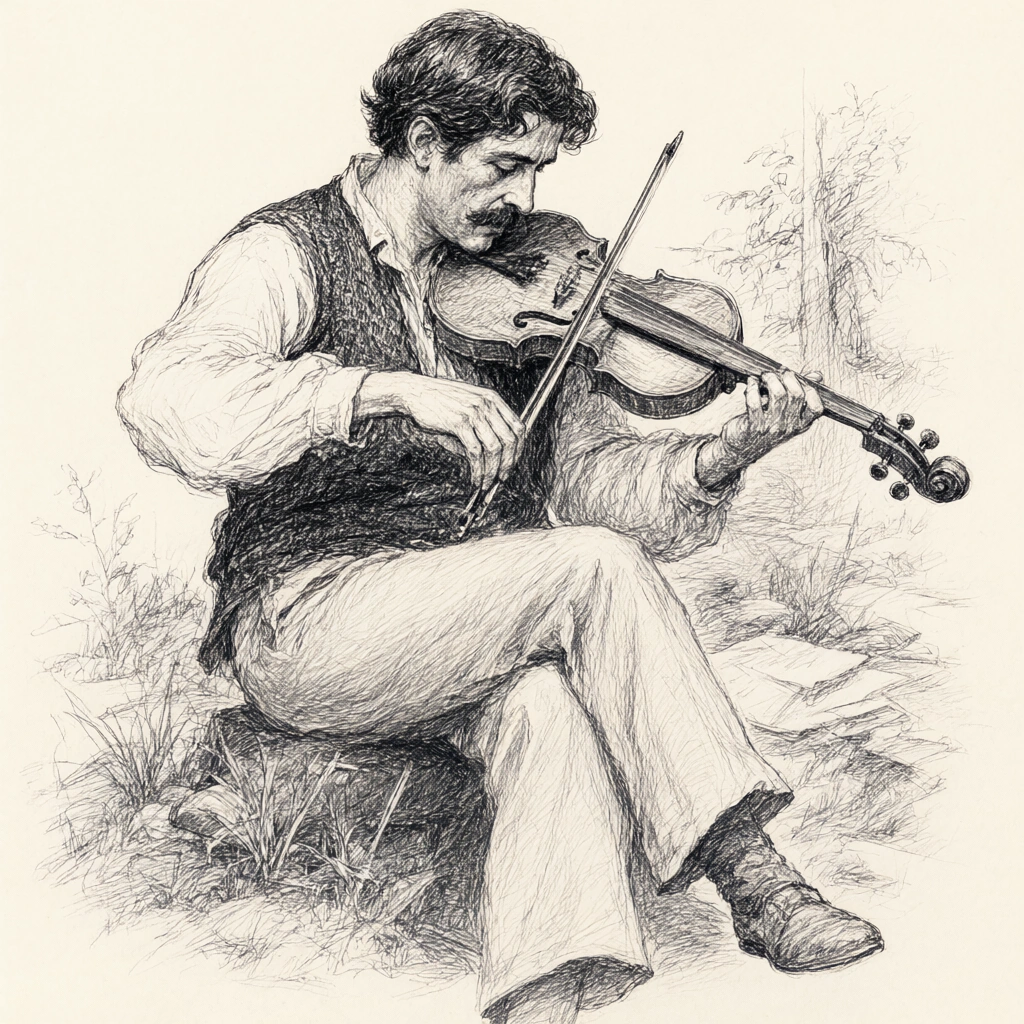 Qwen Image 2.1
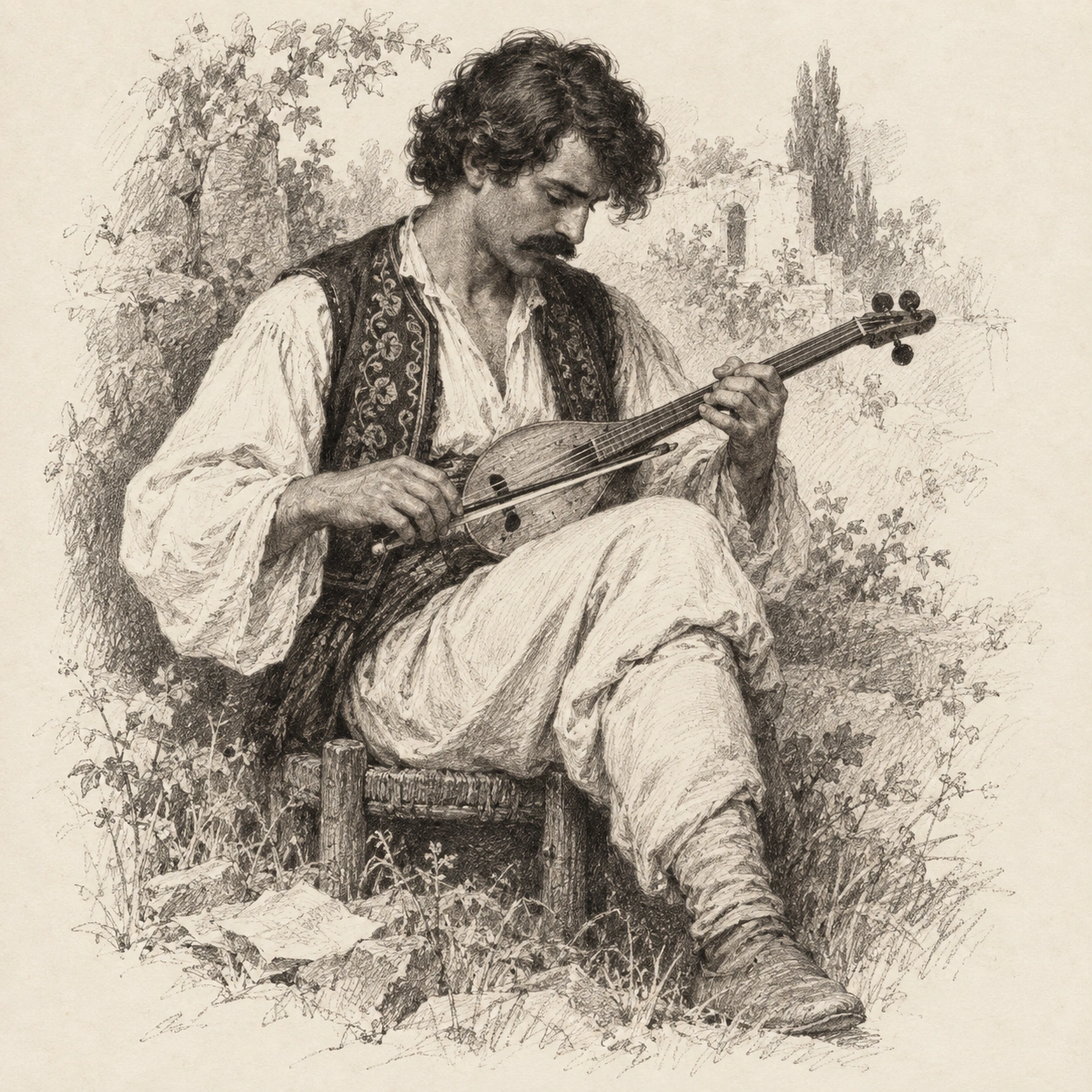 GPT Image 2.5
Reference details
- Reference ID
- 0285
- Category
- Ink & line
Reference prompts
Style prompt
The monochrome illustration has the look of a fine nineteenth-century engraving on warm off-white paper. Dense crosshatching and black contour accents gather in a compact central area, then dissolve into faint broken strokes and open margins. Different line directions describe fabric folds, hair, polished hard surfaces, and rough ground without relying on color. A stable triangular core is animated by one long thin diagonal. Darkest values sit at overlapping forms and small contact points; broad light areas stay mostly unmarked, allowing the paper to provide illumination. The background appears only in fragments, with airy sketch patches rather than a continuous environment. The marks range from sharp etched lines to soft pencil-like shading, preserving a handmade, archival character. The whole frame feels observant and nostalgic through patient tonal drawing and generous white space.Full example prompt
An old-fashioned monochrome drawing shows a seated musician absorbed in playing a small bowed string instrument. His dark wavy hair and pronounced moustache frame a downward-facing profile. He wears a loose light shirt with full sleeves, a patterned dark vest, and pale trousers gathered around one raised knee. The instrument rests across his lap and chest, its narrow neck extending toward the right while one hand works near the fingerboard and the other draws a slim bow. He sits on a low stool, surrounded by loosely suggested grasses, papers, or rough ground marks that fade before reaching the margins. Behind him, fragmentary architectural and foliage shapes appear as faint crosshatched patches rather than a fully built setting. The linework is strongest around the face, hands, instrument, and folded clothing, where black hatching accumulates into deep shadows. Elsewhere the pencil-like strokes thin rapidly into the warm off-white paper. Different mark directions distinguish soft fabric, carved instrument wood, hair, and ground. The composition forms a stable triangular mass from the shoulders through the bent leg and back to the seat, while the instrument neck adds a long diagonal. There is no color beyond the subtle warmth of the paper, leaving gesture and tonal craft to carry the scene. The whole frame feels like a remembered folk performance preserved in patient engraved lines.