
Styles
#0350
Terry Isaac style reference and prompts
Explore the “Terry Isaac” reference with directional brush marks, negative space, and soft edges. View the images, copy the style or example prompt, and discover related styles on Looksift.
Compare the Qwen Image 2.1 and GPT Image 2.5 examples, choose the visual qualities you want, and copy the style prompt for your own project.
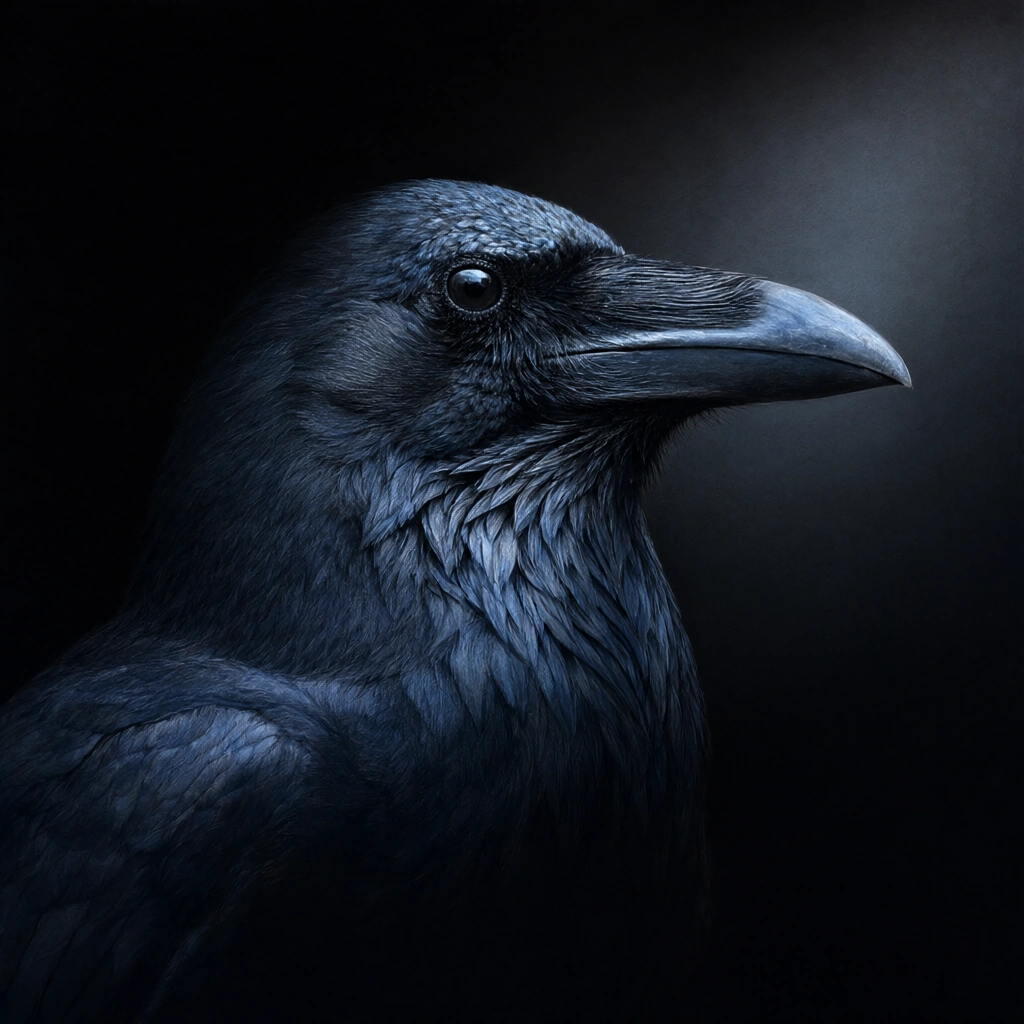 Qwen Image 2.1
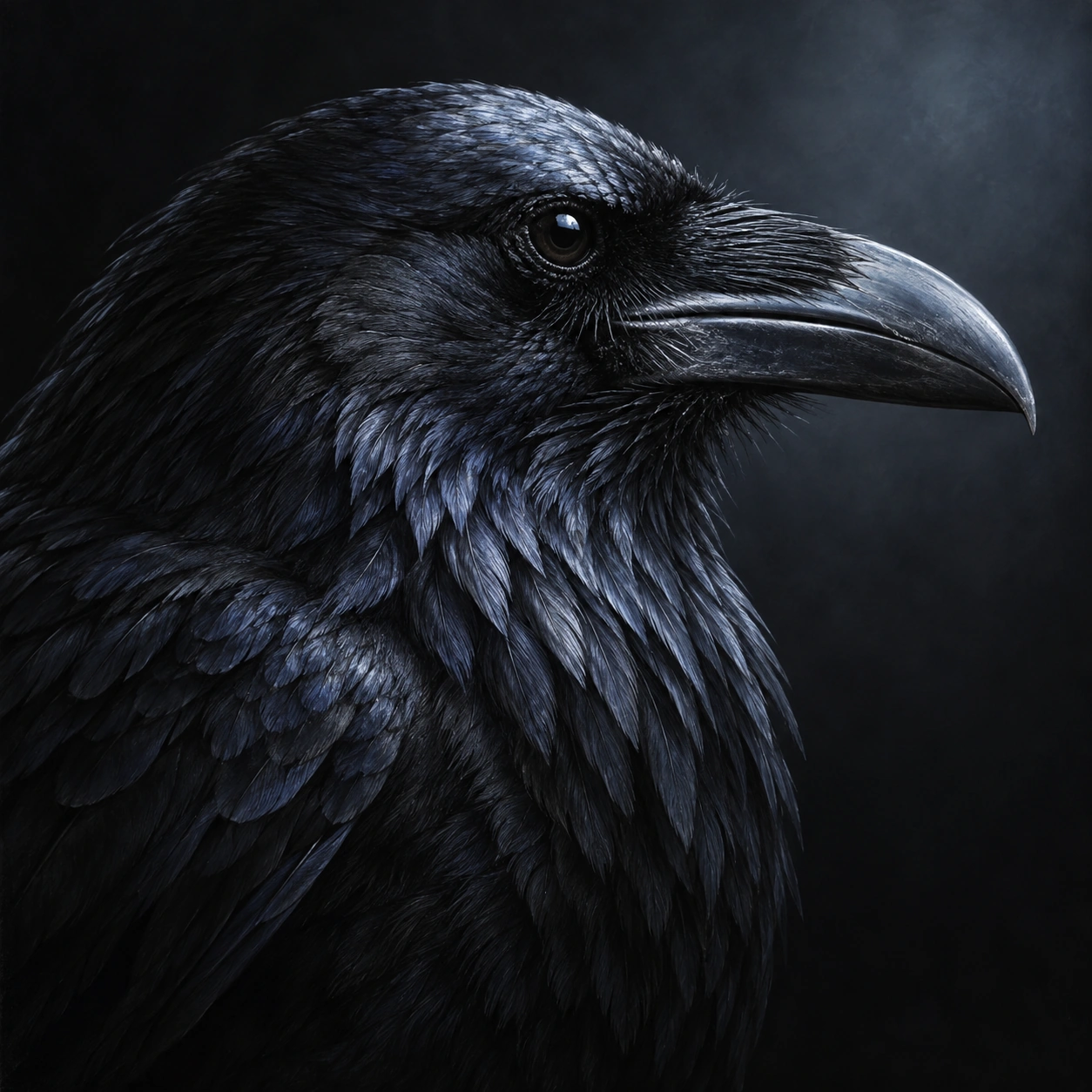 GPT Image 2.5
Reference details
- Reference ID
- 0350
- Category
- Painting
Reference prompts
Style prompt
The painted image works in near-black, charcoal, slate, steel blue, and muted indigo, with a single tiny pale highlight. Fine directional strokes build a sculptural surface from overlapping dark textures; each mark catches just enough cool light to remain separate from its neighbors. A broad form occupies most of the close crop and projects into a small area of softened negative space. The most precise contours follow the upper illuminated edge and one compact focal detail, while lower and rear edges dissolve into black. A faint background glow provides separation without becoming scenery. Tonal contrast is subtle across most of the image, then sharpens at a few selected points. The materials appear velvety and slightly iridescent rather than glossy. The whole frame feels still, intelligent, and monumental through restrained color, controlled light, and patient texture.Full example prompt
A meticulously rendered wildlife portrait painting shows a raven in right-facing profile against a nearly black background. The head and upper chest fill most of the square, with the broad beak projecting toward the right edge and one round eye reflecting a small pale highlight. Cool overhead light catches the crown, the ridged beak, and the layered feathers at the throat. The bird's plumage is not flat black: fine blue-gray, steel, and muted indigo strokes trace overlapping feathers, especially where the throat ruff descends into the chest. The lower body gradually disappears into shadow at the bottom left. Behind the bird, a faint charcoal-to-slate glow opens in the upper right, separating the beak from the dark ground without adding any scenery. The composition is simple but monumental, allowing the beak, eye, and textured plumage to carry the visual interest. Contours along the illuminated upper edge are precise, while the underside and far back soften into darkness. The eye is small yet remains the psychological focus because the surrounding feather detail curves toward it. Light appears cool and directional, creating a sculpted head without theatrical color. The restrained palette and close crop give the animal a calm, intelligent presence. The whole frame feels still and watchful, a study of dark form revealed through subtle blue light.