
Styles
#0358
Henry Roderick Newman style reference and prompts
Explore the “Henry Roderick Newman” reference with fine linear detail, layered surface texture, and earth colors. View the images, copy the style or example prompt, and discover related styles on Looksift.
Compare the Qwen Image 2.1 and GPT Image 2.5 examples, choose the visual qualities you want, and copy the style prompt for your own project.
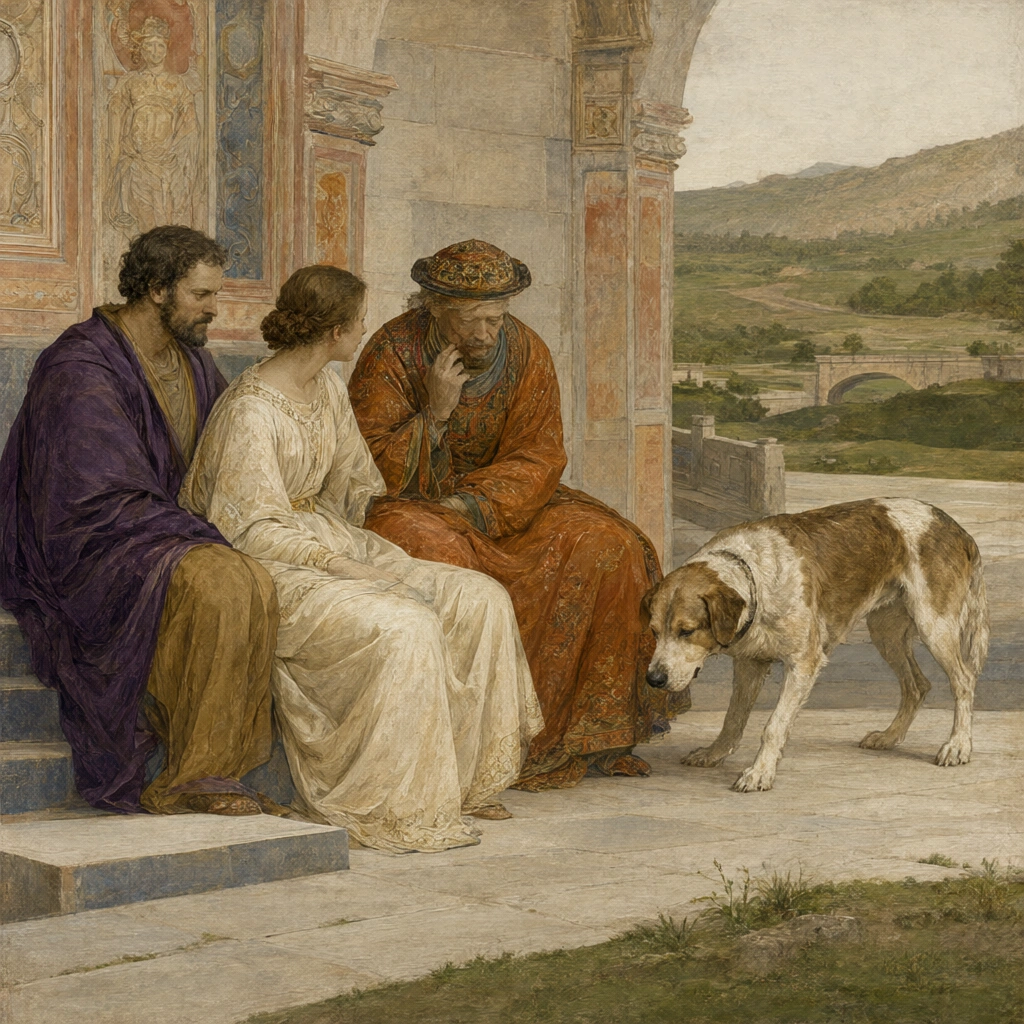 Qwen Image 2.1
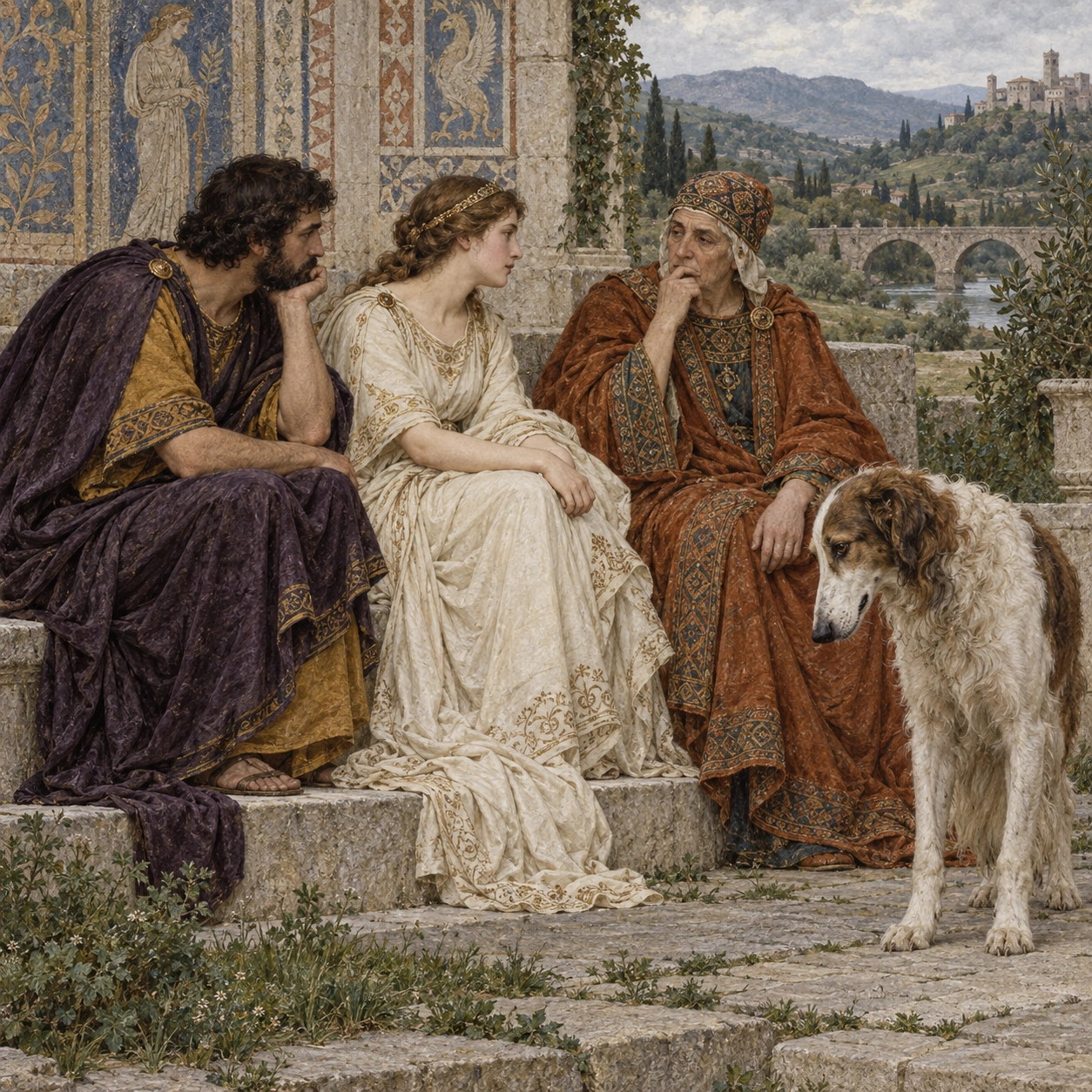 GPT Image 2.5
Reference details
- Reference ID
- 0358
- Category
- Painting
Reference prompts
Style prompt
The historical-style painted image uses fine contours, layered muted color, and a softly granular aged surface. Ivory, sandstone, rust, moss green, faded blue, and deep violet build a restrained earth palette. Dense patterned passages sit beside broad pale drapery-like planes; small green accents punctuate the lower ground. Background ornament and distant terrain are carefully present but softened enough to leave the foreground group dominant. Edges are mostly clear yet never sharp, as if pigment has settled into worn paper or plaster. Fine repetitive marks describe embroidery, stone, fur, and foliage, while larger folds create a slower visual rhythm. Diffuse overcast light keeps values close and shadows shallow. A broad cluster on one side is balanced by an open lateral extension and recession into the upper distance. The whole frame feels contemplative, narrative, and antiquarian through patient detail and time-softened color.Full example prompt
A detailed historical-style painting shows three seated figures on a stone terrace with a large white-and-brown dog standing before them. At the left, a bearded man in a dark violet and ochre robe leans forward; beside him, a woman in a flowing ivory dress turns toward an older figure in an elaborate rust-orange garment and patterned cap. The older figure holds a hand near the face, as though pausing in thought. The dog stands at the right, its head lowered and body angled toward the viewer, giving the human group a quiet point of attention. Behind them, a wall of decorative stonework and faded painted motifs occupies the left side, while green hills and a low bridge open into distance at the upper right. Robes fall in carefully observed folds across pale steps, and small patches of grass break the stone floor in the foreground. The palette is muted and earthy: cream, sandstone, moss green, rust, faded blue, and deep violet. Fine line and layered, slightly granular color describe embroidery, masonry, fur, and distant terrain. Light is soft and overcast, keeping every element readable without sharp shadows. The composition moves from the dense seated group to the animal and then outward into the landscape. The whole frame feels contemplative and antiquarian, as if a quiet narrative had been preserved in a timeworn illuminated panel.