
Styles
#0522
Josephus Laurentius Dyckmans style reference and prompts
Explore the “Josephus Laurentius Dyckmans” reference with broken brushwork, tactile surfaces, and side lighting. View the images, copy the style or example prompt, and discover related styles on Looksift.
Compare the Qwen Image 2.1 and GPT Image 2.5 examples, choose the visual qualities you want, and copy the style prompt for your own project.
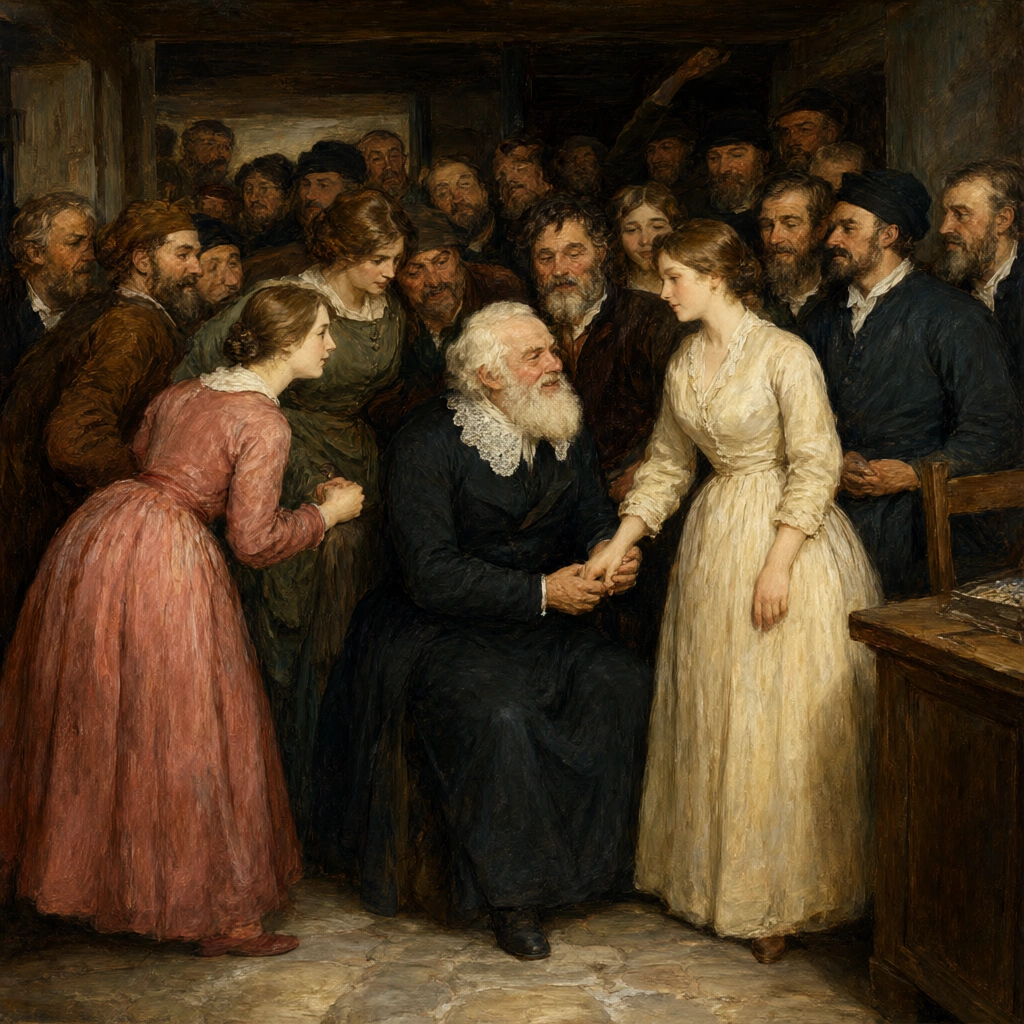 Qwen Image 2.1
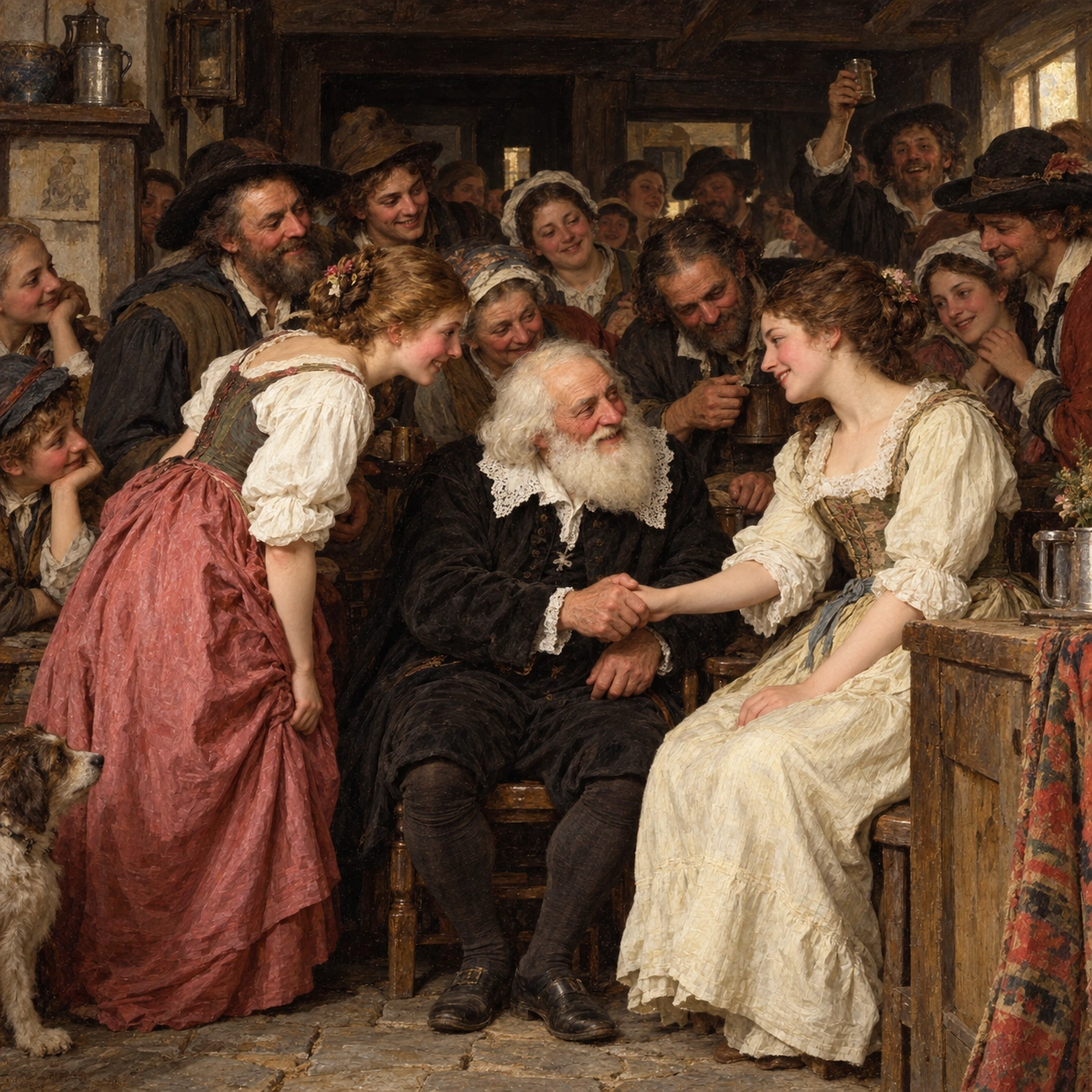 GPT Image 2.5
Reference details
- Reference ID
- 0522
- Category
- Painting
Reference prompts
Style prompt
Detailed nineteenth-century genre oil painting arranges many overlapping forms in a shallow but readable interior. A small central knot of warm ivory highlights is surrounded by rose, tan, olive, umber, and charcoal masses, with light sleeves creating a loose V-shaped rhythm. Faces and hands receive precise small brush touches; nearby cloth uses broader broken strokes; background clusters soften into darker, less distinct marks. Warm frontal-side light picks out selected edges and lets surrounding corners fall into brown shadow. Repeated heads, angled shoulders, and interlocking arms guide the eye across the crowded surface without losing the center. Wood grain and stone are understated but tactile, supporting the scene rather than competing. The result is bustling and intimate: detailed human proximity held together by measured value hierarchy, warm earthy color, and varied edge sharpness.Full example prompt
A densely populated nineteenth-century genre oil painting centers on a seated white-bearded elder in a crowded rustic room. He wears a dark coat with a pale lace collar and leans slightly forward, smiling as he holds the hand of a young woman in a cream dress at the right. Another young woman in a rose-colored skirt bends in from the left, while men and women crowd behind in overlapping rows. Some lean closer, one raises an arm, and many faces turn toward the central exchange. A dark timber ceiling and deep interior doorway press close around the group, while a wooden counter at the lower right and a small patch of stone floor anchor the space. The composition is bustling but carefully organized: the older man's pale hair and collar make a central light knot, the two light-sleeved women form a loose V around him, and the mass of darker faces recedes toward the top. Warm rose, cream, tan, umber, olive, and charcoal mingle through clothing and background. The paint handling is lively and varied, with delicate touches for eyes, lace, and hands, broader broken strokes for cloth, and a softer blur of faces in the back. Light enters from the front and upper right, catching the women's sleeves and the elder's beard while leaving the room corners in deep brown shadow. There is no single grand gesture; interest comes from the chain of glances, small hands, and jostling shoulders. The image feels like an affectionate observation of communal life, full of anecdotal detail and warm human proximity.