
Styles
#0728
Alfred Dehodencq style reference and prompts
Explore the “Alfred Dehodencq” reference with translucent color layers, pale neutral tones, and boat reflections in harbor water. View the images, copy the style or example prompt, and discover related styles on Looksift.
Compare the Qwen Image 2.1 and GPT Image 2.5 examples, choose the visual qualities you want, and copy the style prompt for your own project.
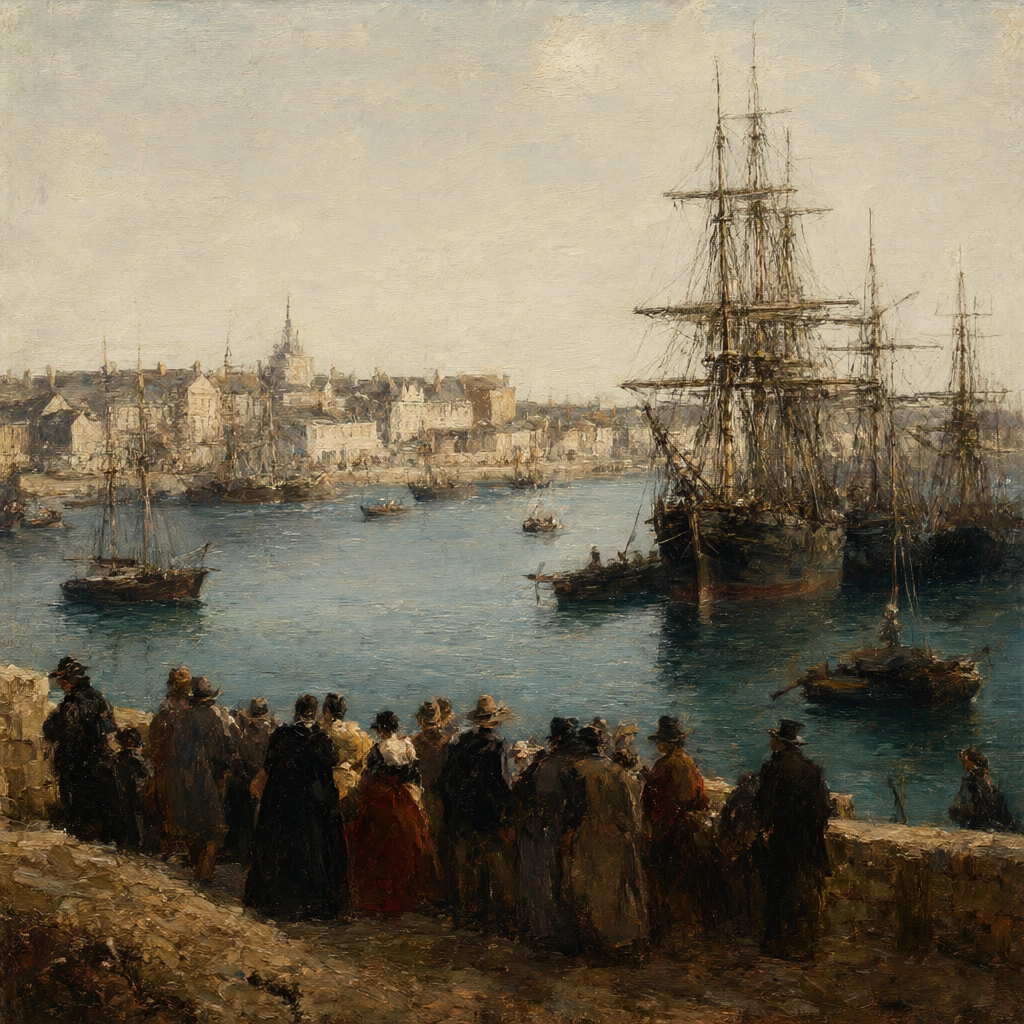 Qwen Image 2.1
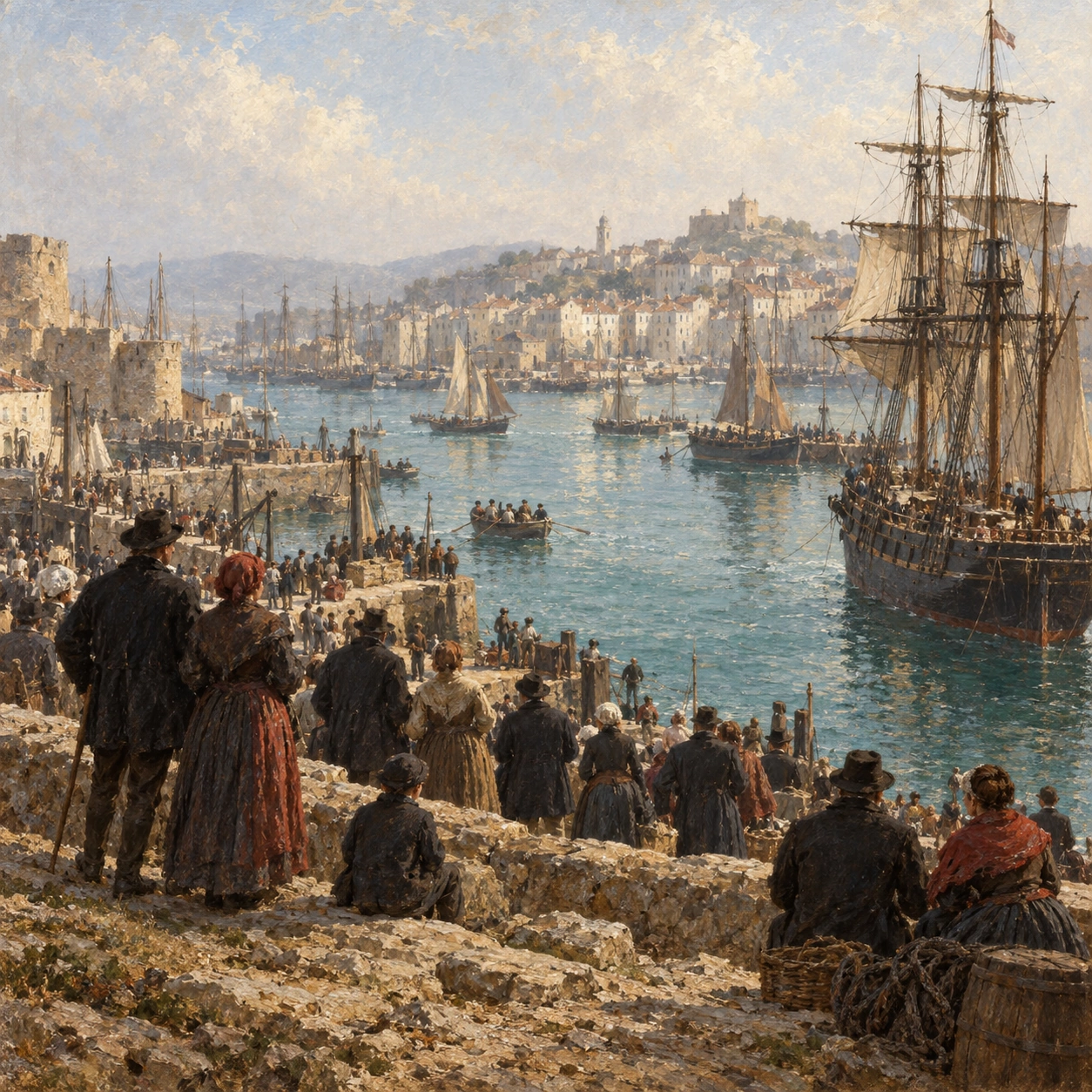 GPT Image 2.5
Reference details
- Reference ID
- 0728
- Category
- Painting
Reference prompts
Style prompt
Nineteenth-century realist oil painting has a Romantic atmosphere and an expansive sense of scale. Complex forms fall into clear near, middle, and far tonal layers. Firm foreground silhouettes contrast with pale atmospheric distance and economical broken brushwork. Luminous cool blue-green passages alternate with weathered earth browns, charcoal, faded cream, and restrained rusty accents. Small observed marks suggest density without separately outlining every element. Natural light touches selected edges and planes; reflections and scumbled highlights enliven quiet midtones. Transparent shadow glazes, opaque warm accents, and lightly textured strokes reveal traditional oil handling on canvas. Believable perspective and softened distance create a warm, quietly dramatic mood.Full example prompt
A wide nineteenth-century harbor scene in oil on canvas, seen from a stony rise above the water. A loose gathering of townspeople fills the lower foreground, mostly viewed from behind as they look toward the activity below. Their dark coats and muted dresses form varied silhouettes with small accents of faded red and ochre; together they provide human scale for the broad harbor rather than individually posed portraits. A tall sailing vessel occupies the right side with dense masts, rigging, and a dark hull reflected in blue-green water. Smaller boats cross the middle distance. Across the inlet, pale masonry buildings and clustered rooftops recede into a bright, hazy sky. The scene unfolds in layered bands: rough earth and figures near the viewer, luminous water at the center, crowded vessels and waterfront beyond, and soft architecture merging with the atmosphere. The nineteenth-century realist and Romantic oil-painting manner combines convincing observation of the public scene but painterly simplification at a distance. Small broken strokes articulate the crowd and rigging, broader scumbled passages describe stone and sky, and delicate warm highlights mark sunlit surfaces. Outlines vary, crisp around the nearest silhouettes and dissolving in the atmospheric distance. The palette is weathered earth brown, charcoal, muted rust, faded cream, and cool turquoise water. Lighting is bright yet softened by marine haze, giving the scene both daily-life immediacy and a sense of grandeur. Natural visual complexity remains, with distant figures merging into suggestive marks. No modern ships, engines, signage, or legible text.