
Styles
#0833
Thomas Nast style reference and prompts
Explore the “Thomas Nast” reference with etched linework, pale neutral tones, and ink contours. View the images, copy the style or example prompt, and discover related styles on Looksift.
Compare the Qwen Image 2.1 and GPT Image 2.5 examples, choose the visual qualities you want, and copy the style prompt for your own project.
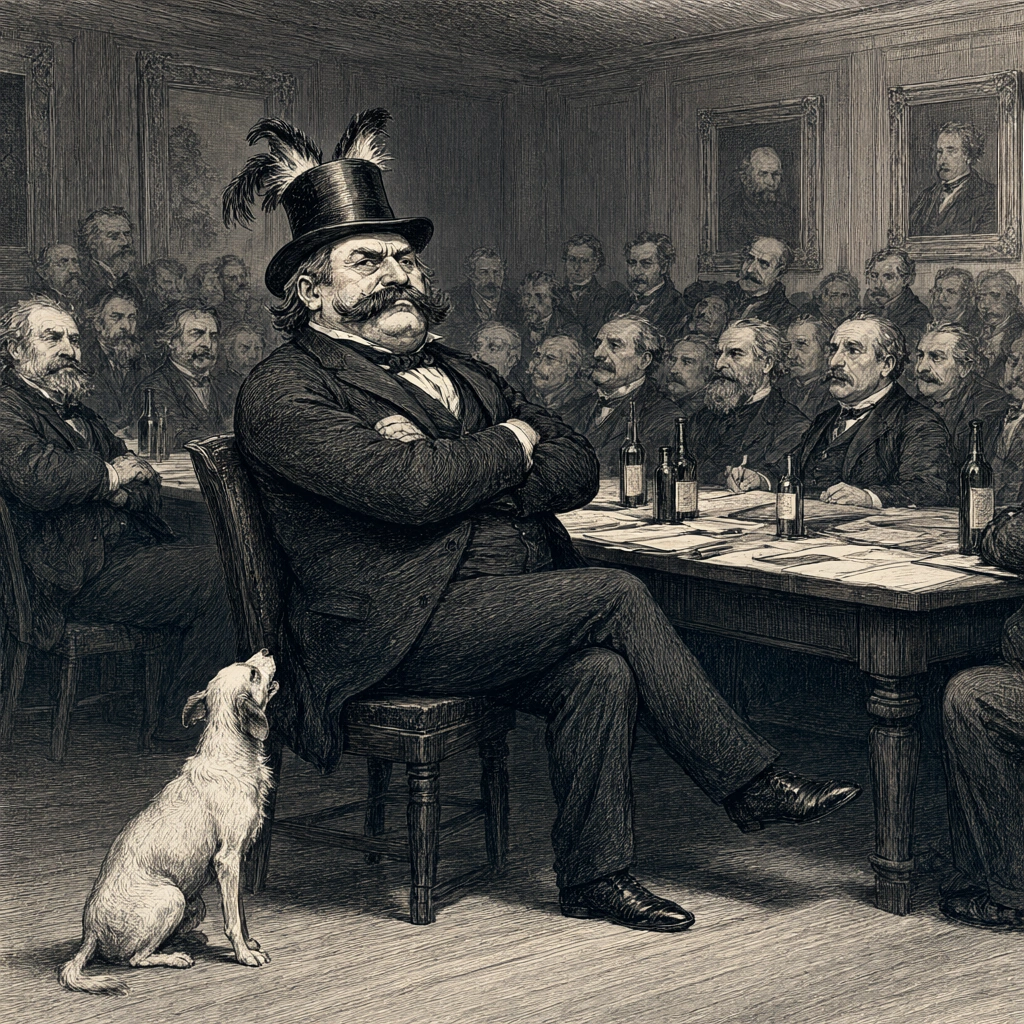 Qwen Image 2.1
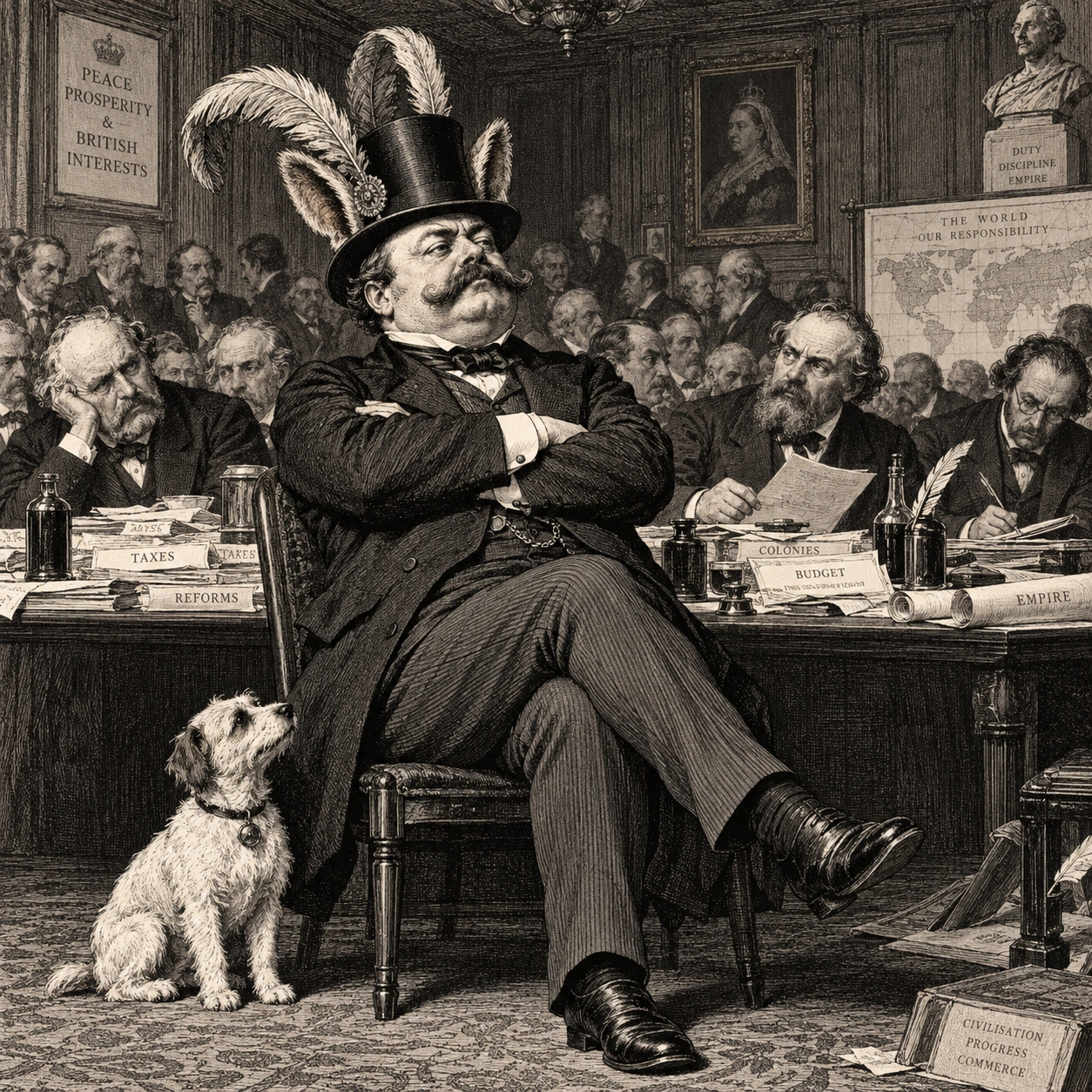 GPT Image 2.5
Reference details
- Reference ID
- 0833
- Category
- Anime & cartoons
Reference prompts
Style prompt
A nineteenth-century engraved caricature style uses dense cross-hatching, stipple, and varied black contour to stage a satirical foreground figure before a busy room. Cream paper and warm gray remain the only relief from deep ink. Exaggerated headwear, posture, or proportion carries the joke, while background faces and table objects become a finely drawn chorus. Light selects the main face and hands through open paper areas rather than smooth wash. Wood, cloth, hair, and small animals receive distinct hatch textures. The composition is crowded but anchored by one clear large form. The mood is pointed, theatrical, and materially printed.Full example prompt
A square nineteenth-century political caricature shows a stocky mustached man seated with crossed legs at the front of a crowded meeting room. He wears a dark suit and top hat decorated with exaggerated feathers or animal-like ears. His arms fold tightly across his chest, and his expression is stubborn and self-important. Behind him, other men sit around a long table covered with papers, bottles, and writing tools. The room has paneled walls, portraits, and a shadowy ceiling, all rendered through dense engraved line. A small dog sits near the central chair, its pale coat standing out against the floor. Fine cross-hatching and stipple describe facial hair, fabric folds, wood grain, and crowded background faces. The tonal range is almost entirely black, warm gray, and cream paper, with the seated man made clearest through contour and placement rather than color. Light appears to enter from above left, picking out his face, hat brim, hands, and the table. The composition is busy but hierarchical: a large foreground caricature controls the page, while the assembly behind becomes a detailed satirical chorus. The whole frame feels sharp, theatrical, and historically printed, with satire carried by posture and exaggeration.