
Styles
#1325
Corey Arnold style reference and prompts
Explore the “Corey Arnold” reference with weathered surfaces, asymmetric composition, and cool blue-gray tones. View the images, copy the style or example prompt, and discover related styles on Looksift.
Compare the Qwen Image 2.1 and GPT Image 2.5 examples, choose the visual qualities you want, and copy the style prompt for your own project.
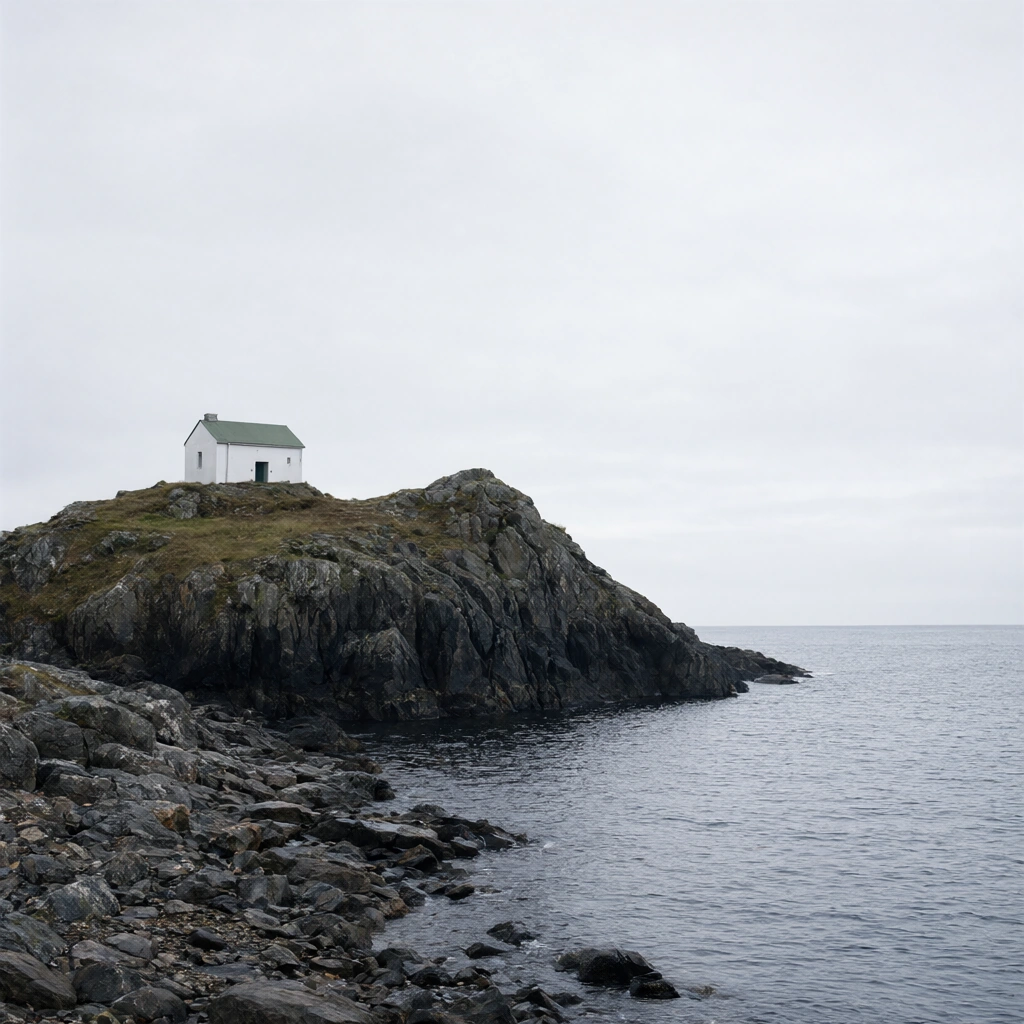 Qwen Image 2.1
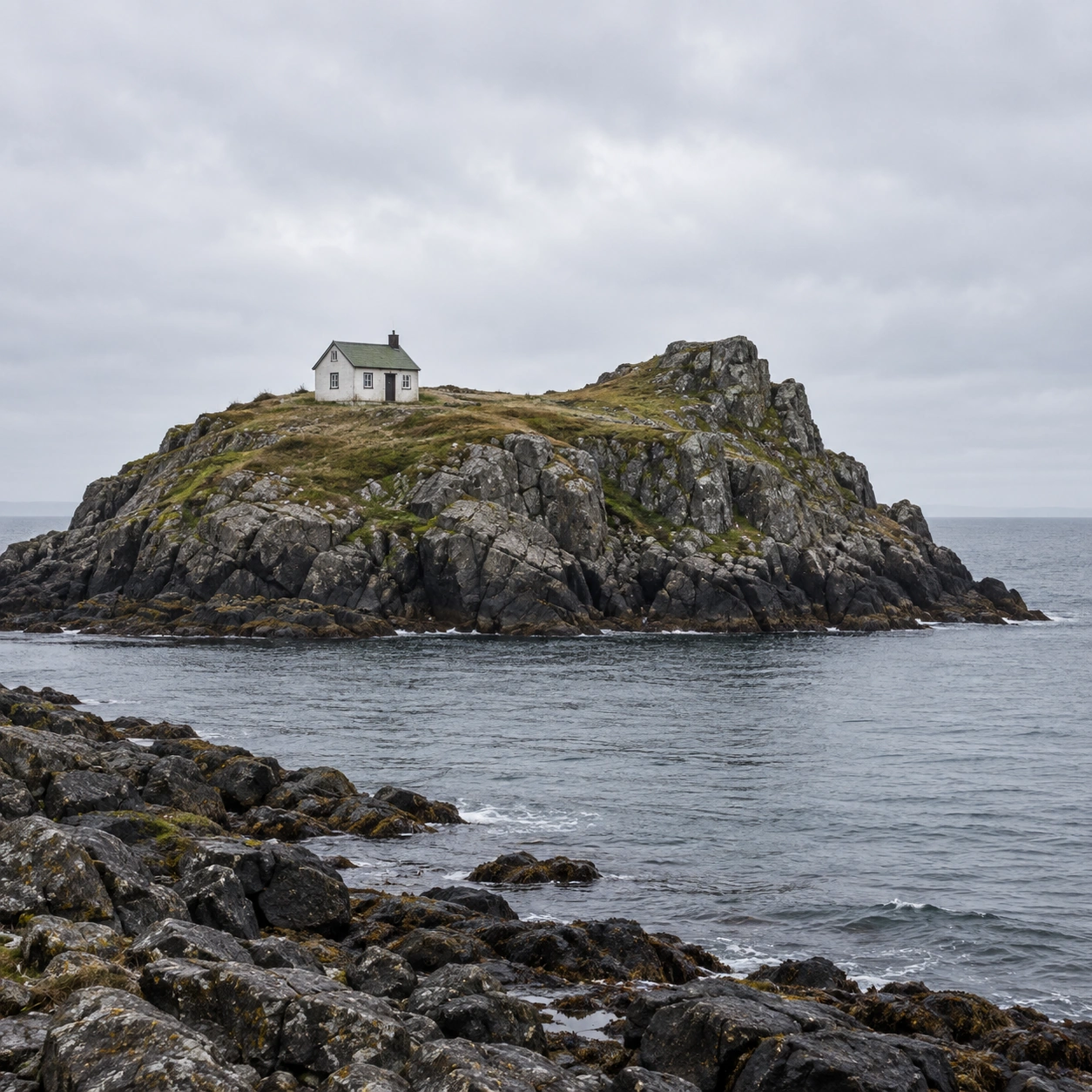 GPT Image 2.5
Reference details
- Reference ID
- 1325
- Category
- Photography
Reference prompts
Style prompt
The color photograph favors patient, documentary observation and a cool, subdued tonal range. Large fields of pale gray are set against dense charcoal masses, so a small light shape can hold attention without a theatrical spotlight. Irregular edges and weathered surfaces carry more information than decorative detail; their texture remains crisp near the viewer and softens gradually with distance. Muted olive, blue gray, brown, and off-white remain close in saturation, giving color a quiet supporting role beside the stronger value contrast. Cloud-filtered light spreads broadly across the scene, leaving shallow creases of shadow and restrained highlights rather than hard directional beams. Broad negative space surrounds a compact, asymmetrical center of visual weight, while low horizontal bands stabilize the rough vertical contours. Slight atmospheric haze reduces contrast at depth without erasing foreground grain. The overall effect is remote and contemplative, grounded in natural surface detail and the measured scale of a small bright accent within a larger dark form.Full example prompt
A square color photograph shows a small white house standing on a solitary rocky islet in a quiet gray sea beneath an overcast sky. The pale, nearly featureless sky fills the upper half of the frame, its cool light fading gently toward the distant horizon. On the left side of the upper middle area, the house rests close to the crest of the island, appearing modest against the mass of stone below it. Its light walls and subdued greenish roof make a small, crisp geometric shape amid the irregular ground. A dark doorway and a few little window openings interrupt the white facade without turning the building into the main source of detail. The low strip of grass around it is muted olive and brown, thinning where bare rock breaks through. To the right, a higher angular shoulder of stone rises above the grassy crest and gives the island an uneven silhouette. Dark gray rock faces descend steeply toward the water, with wet-looking creases, blunt ledges, and patches of green growth visible across their surface. Along the bottom edge, a rough rocky foreshore extends from the left foreground toward the central water channel, its scattered stones darker than the distant land. The sea is a restrained blue gray with small horizontal ripples and soft reflections of the clouded light. Open water on the right provides room around the island, while the horizon remains low and unobtrusive behind it. The light is broad and diffuse, arriving through cloud cover rather than from a hard visible sun; it leaves shallow shadows in the rock fissures and almost no sharp cast shadows around the house. The photographic surface is natural and lightly grainy, with detailed stone in the foreground and a gentle loss of contrast through the distant air. The overall composition balances a tiny pale shelter against a broad dark rock form, using cool muted color and generous empty sky to create a remote, weathered stillness.