
Styles
#1336
Edouard Boubat style reference and prompts
Explore the “Edouard Boubat” reference with fine grain, asymmetric composition, and a monochrome palette. View the images, copy the style or example prompt, and discover related styles on Looksift.
Compare the Qwen Image 2.1 and GPT Image 2.5 examples, choose the visual qualities you want, and copy the style prompt for your own project.
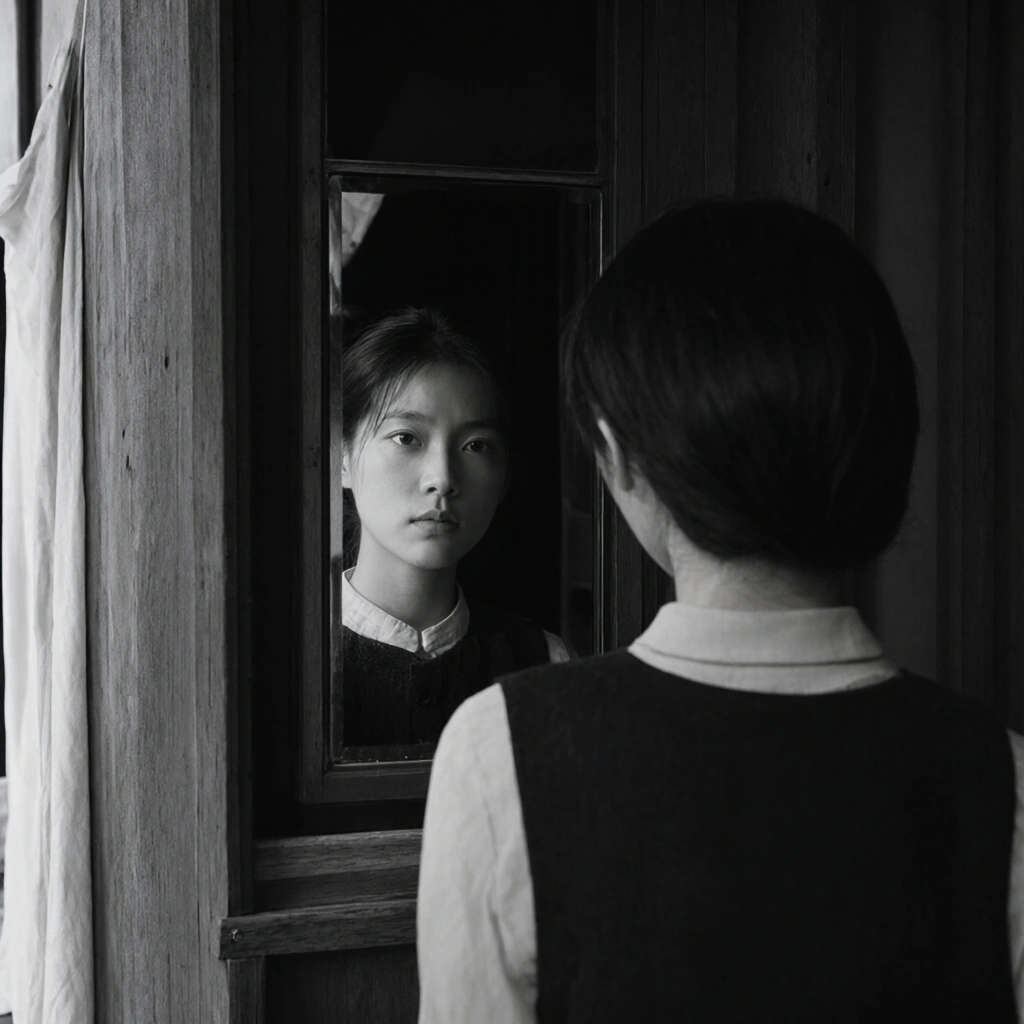 Qwen Image 2.1
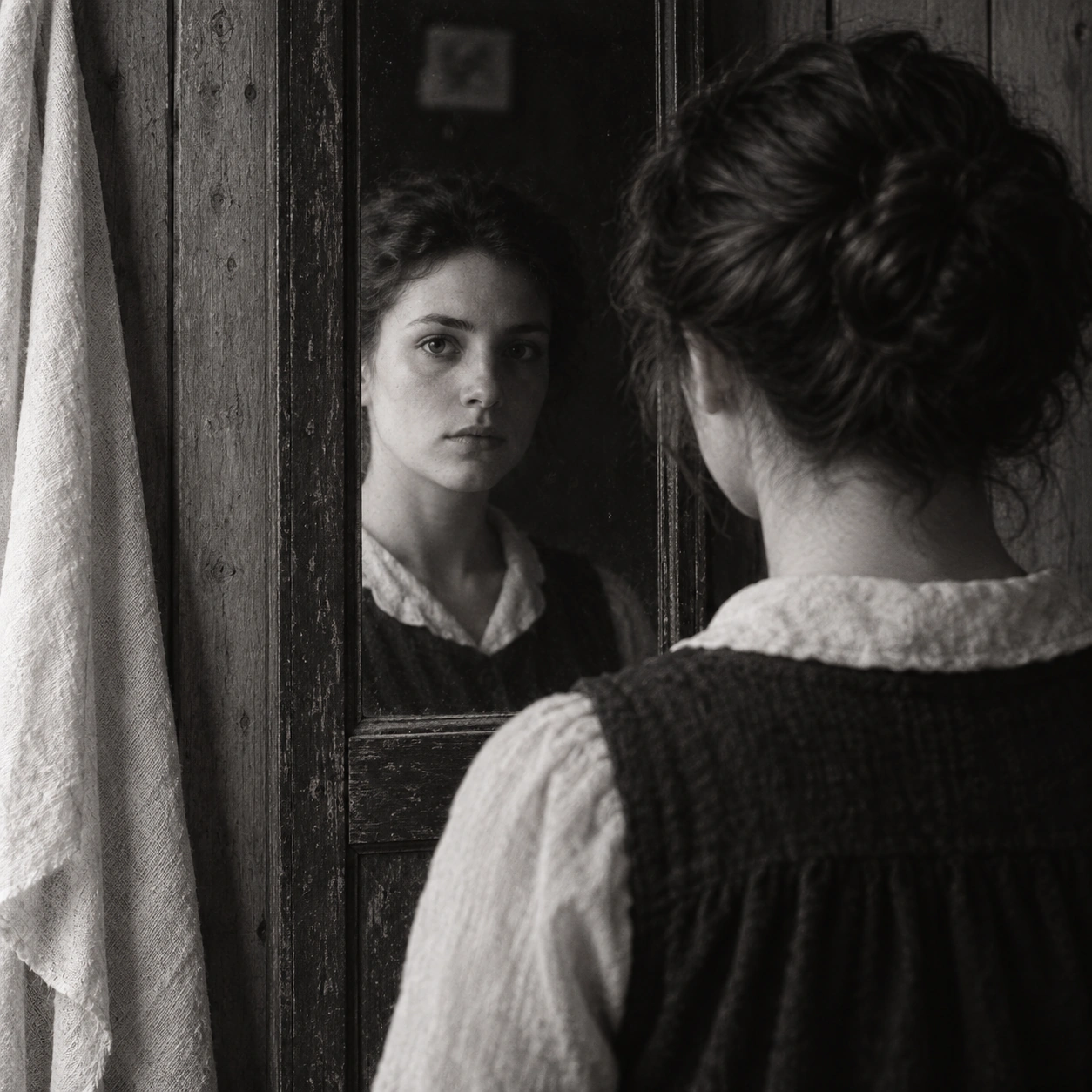 GPT Image 2.5
Reference details
- Reference ID
- 1336
- Category
- Photography
Reference prompts
Style prompt
The monochrome photographic style draws attention through close framing, quiet reflected light, and a restrained range from deep black to soft silver gray. A near form can overlap a more distant image, making depth emerge from partial concealment rather than a wide view. Weathered matte surfaces and fine film grain keep bright areas tactile, while dark areas remain broad and calm instead of filling with decorative detail. Vertical boundaries divide the frame into narrow zones, and a few pale curved shapes interrupt their straight rhythm. Soft side light gently models visible surfaces and falls away through gradual gray transitions, with the darkest recesses allowed to hold little information. Focus remains sufficiently clear at the central point of attention but loosens at surrounding edges. The composition is asymmetrical yet balanced by the weight of adjacent dark areas and a small luminous center. The overall effect is introspective, delicate, and observational, with mood carried by tonal restraint and layered framing.Full example prompt
A square black-and-white photographic scene shows a young woman from behind facing her reflection in a narrow, dark-framed mirror. The setting is a dim interior of worn vertical panels, with a pale hanging fabric falling along the far left edge. A broad, weathered wooden upright separates that fabric from the mirror's dark opening. Inside the glass, her reflected face appears just left of center, looking outward with a steady, quiet expression. Her dark hair is gathered back from the forehead, and the soft line of a light collar surrounds her neck above a darker garment. One side of the reflected face is brighter, revealing the eyes, nose, and closed mouth, while the opposite side passes gradually into gray shadow. Behind the reflected head, the space is nearly black, with only an indistinct pale shape near the upper edge. In the foreground on the right, the actual woman turns her back to the camera; the rounded dark hair, exposed nape, pale collar, and dark vest-like upper garment are visible. Her near shoulder crosses in front of the mirror, hiding part of the reflected lower body and creating a close overlap of figure and image. The mirror's lower wooden rail is visible beneath the reflected chest, so the face seems held inside a narrow vertical compartment. Soft light from the left catches the pale fabric, the reflected face, and the foreground collar, while the wood and the garment remain in deeper tones. The photographic grain is fine, and the reflection has gently softened edges rather than a polished, glassy clarity. Broad black areas, mid-gray timber, and a few luminous skin and fabric surfaces create a calm tonal hierarchy. There is no readable text. The overall composition is intimate and still, balancing a near dark back against a softly illuminated face held inside the mirror.