
Styles
#1540
Joseph Lorusso style reference and prompts
Explore the “Joseph Lorusso” reference with broken brushwork, tactile surfaces, and earth tones. View the images, copy the style or example prompt, and discover related styles on Looksift.
Compare the Qwen Image 2.1 and GPT Image 2.5 examples, choose the visual qualities you want, and copy the style prompt for your own project.
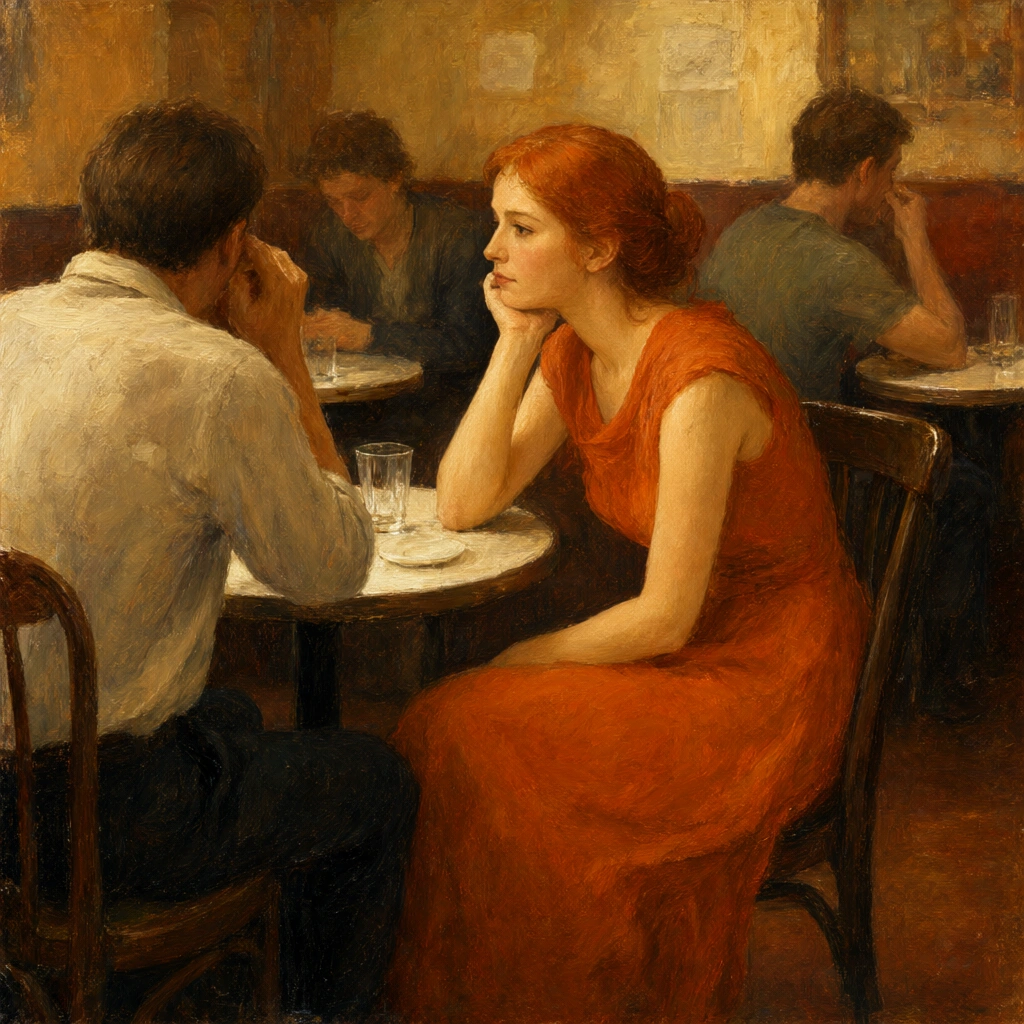 Qwen Image 2.1
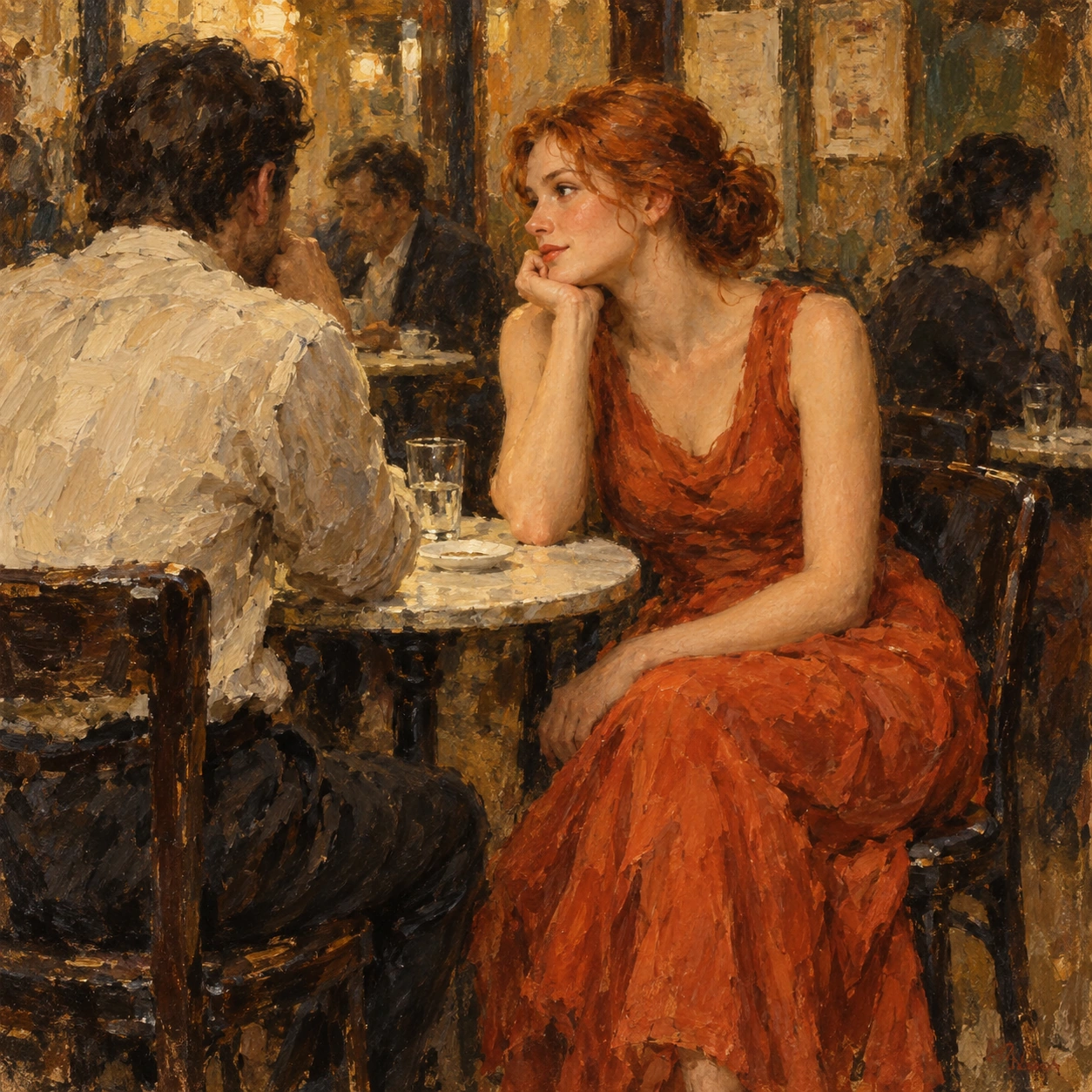 GPT Image 2.5
Reference details
- Reference ID
- 1540
- Category
- Painting
Reference prompts
Style prompt
The oil painting uses a warm, restricted range of rust orange, amber, ocher, cream, and deep umber, with occasional muted green breaking the heat. Broad broken strokes and rubbed scumble build an aged, tactile surface, while selected focal forms receive smoother tonal modeling. Small pale highlights gather amid dark brown masses, giving the eye a path through compressed, overlapping shapes. Edges are often lost where similar warm values meet, then briefly sharpen near the brightest areas. Light is gentle and localized, catching exposed planes and pale surfaces while corners remain smoky and subdued. Spatial depth comes from overlap and diminishing detail rather than strict geometry. A concentrated saturated passage stands forward against quieter earth tones, balancing emotional warmth with visual restraint. The overall effect is intimate and reflective, with softened paint and low amber light carrying the mood.Full example prompt
A square, warmly textured oil painting shows a red-haired woman in a rust-orange dress seated at a small cafe table. The room is close and crowded, its walls and furniture built from broken passages of ocher, amber, brown, and muted green. At the center-right, the woman sits sideways on a dark chair. Her hair is pinned back in a loose, low arrangement, and she turns her face left toward the man across the table. One hand supports her chin, while the other rests low along her lap. Her sleeveless dress has a softly folded neckline and a long skirt that drapes toward the lower edge. The orange-red fabric is the strongest color in the image, surrounded by deeper umber shadows under the seat. Across from her at the left, a man in a pale, loosely painted shirt is viewed mostly from behind. His bent arm lifts a hand near his face; the back of the chair and dark trousers anchor the lower left. Between them, a small round white table holds a clear drinking glass and a pale saucer-like shape. Farther back, two additional people sit at separate tables, their faces and gestures less distinct in the warm haze. One is roughly centered behind the man; another occupies the right background in side view with a hand near the face. The room's back wall has pale rectangular patches and rubbed marks, but no readable lettering. Light seems to come from the upper left and center of the room, warming the woman's face, bare arms, red dress, and the white tabletop while leaving chair backs and corners in brown shadow. The paint is loosely scumbled across the walls and clothing, with more careful modeling around the woman's face and hand. Edges frequently soften into adjacent tones, giving the crowded space a smoky depth. The overall composition is intimate and contemplative, using a vivid warm figure among muted cafe shapes to hold one quiet pause within a busy interior.