
Styles
#1547
John Ruskin style reference and prompts
Explore the “John Ruskin” reference with pale neutral tones, side lighting, and atmospheric haze. View the images, copy the style or example prompt, and discover related styles on Looksift.
Compare the Qwen Image 2.1 and GPT Image 2.5 examples, choose the visual qualities you want, and copy the style prompt for your own project.
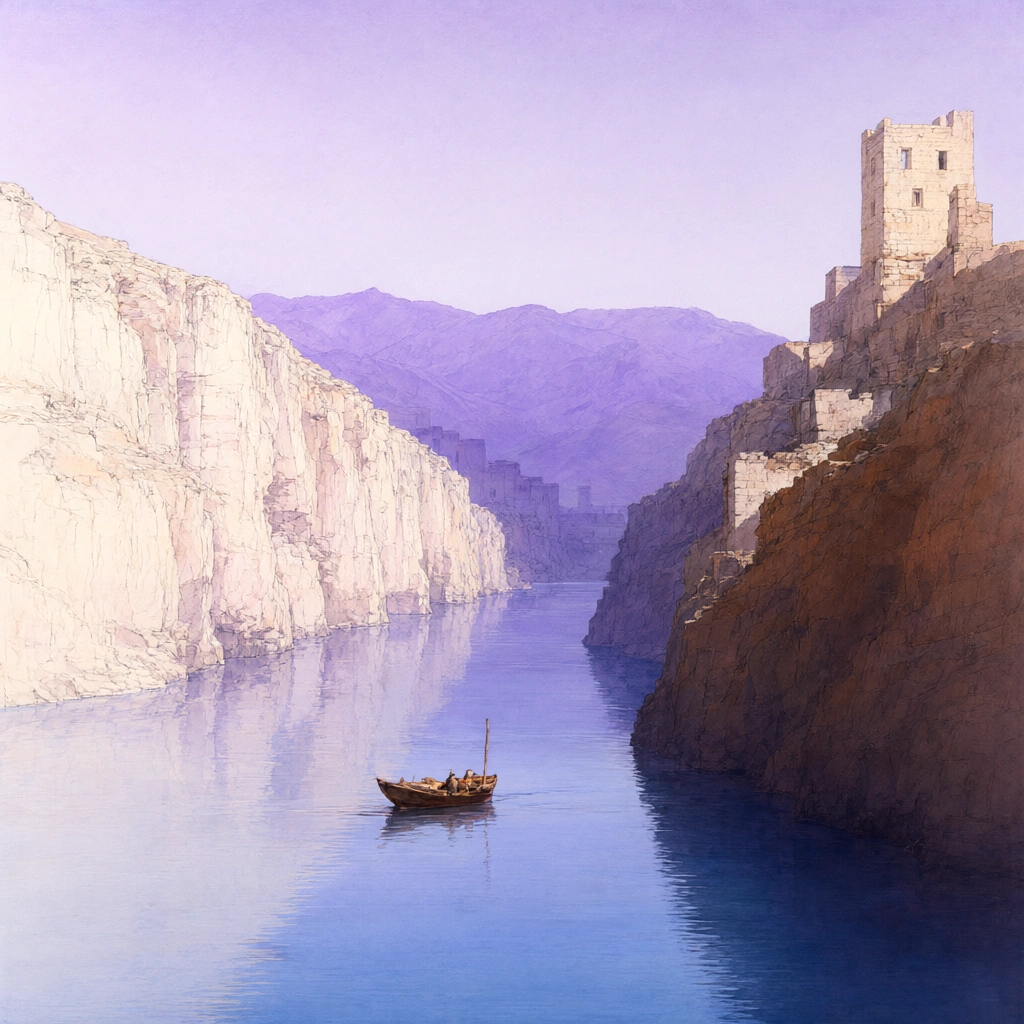 Qwen Image 2.1
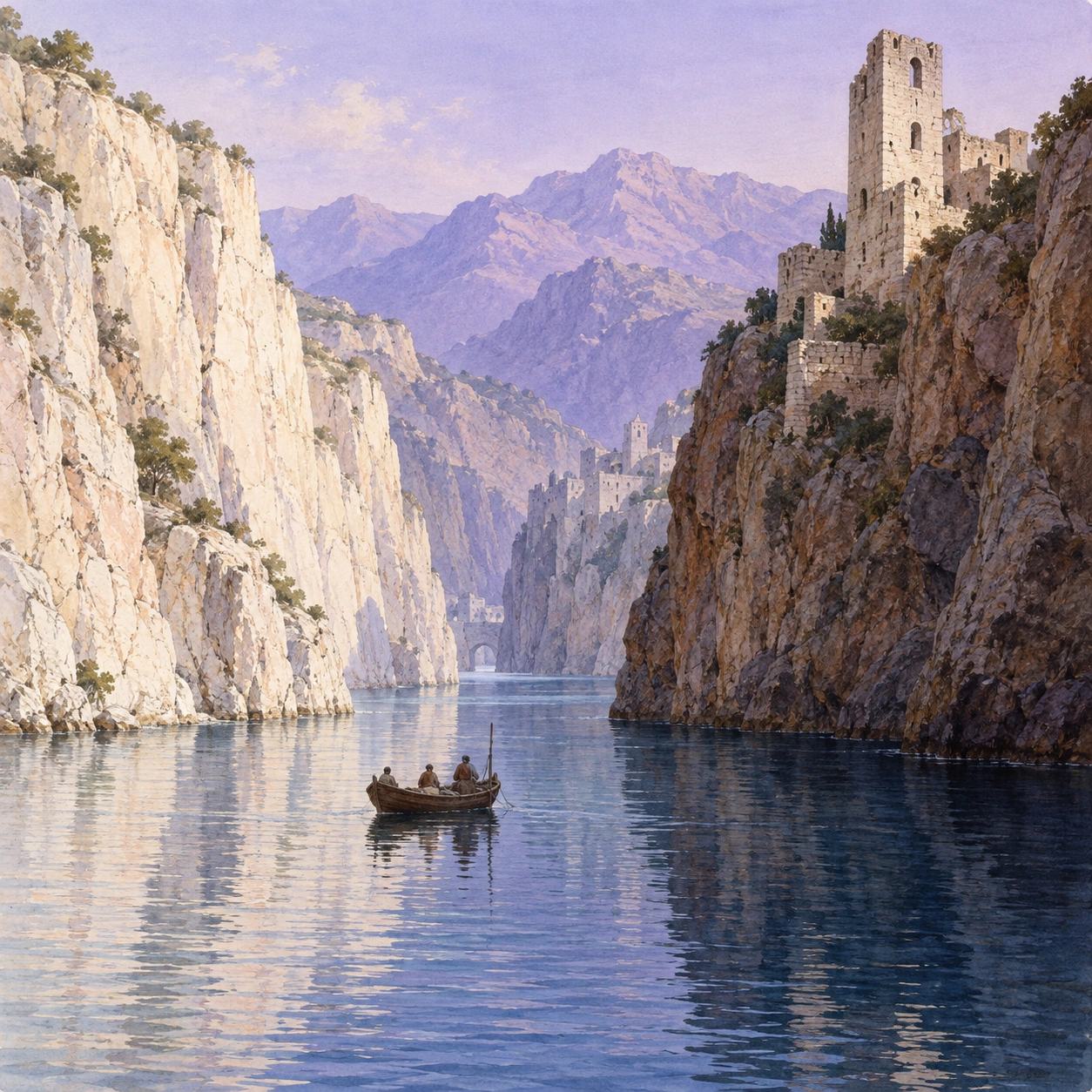 GPT Image 2.5
Reference details
- Reference ID
- 1547
- Category
- Painting
Reference prompts
Style prompt
The watercolor-like rendering pairs delicate linear draftsmanship with transparent, atmospheric washes. Pale cream, dusty rose, blue-violet, and rust-brown occupy separate but softly connected regions. Solid near forms carry fine cracks and narrow linework, while distant contours fade into lavender haze. Calm reflective planes echo surrounding colors through thin horizontal marks rather than sharp mirror detail. Diffuse side light keeps illuminated surfaces luminous and shaded recesses cool, with broad gentle transitions instead of hard contrast. Small dark accents help establish scale within large open expanses. The overall effect is contemplative and carefully observed, with precise observation softened by misty color and transparent tonal depth.Full example prompt
A square watercolor-like landscape shows a narrow blue waterway winding between steep pale cliffs toward violet mountains in the distance. The open lilac sky occupies the upper quarter, softening into lavender ridges that rise behind the gorge. On the left, a sheer cream and pink rock face descends into the water. Its broken strata and recesses are described in fine brown-gray lines and translucent washes. On the right, a darker rust-brown cliff projects into the foreground, with squared stone structures and a tall pale ruined tower clinging to its upper edge. Several narrow openings puncture the tower, and smaller masonry remnants descend the slope below it. Farther up the waterway, faint buildings or walls appear between the cliffs, becoming less distinct in the atmospheric distance. The blue water fills the lower half and narrows toward the center background. It is calm enough to reflect the cliffs in muted lavender and pale gray, while thin horizontal ripples break the near surface. Near the lower middle, a small brown wooden boat floats across the water. A few tiny figures or bundled forms sit inside it, and a slender upright pole rises from its rear section. Its dark underside and reflection make it more solid than the delicate distant masonry. The left foreground water is lighter and more open, while the right side deepens into navy shadow under the cliff. Pale rock, blue water, and purple mountains are separated by gentle value changes rather than heavy outlines. Fine draftsmanship becomes most visible in the architectural details and stone cracks, whereas the sky and reflections remain thin and washed. Diffuse daylight comes from the left upper sky, brightening the left cliff and upper tower while leaving the right rock face and near water in deeper shade. The overall composition is tranquil but imposing, using the tiny boat to measure the immense carved gorge and the receding pale ruins.