
Styles
#1559
Josh Keyes style reference and prompts
Explore the “Josh Keyes” reference with directional brush marks. View the images, copy the style or example prompt, and discover related styles on Looksift.
Compare the Qwen Image 2.1 and GPT Image 2.5 examples, choose the visual qualities you want, and copy the style prompt for your own project.
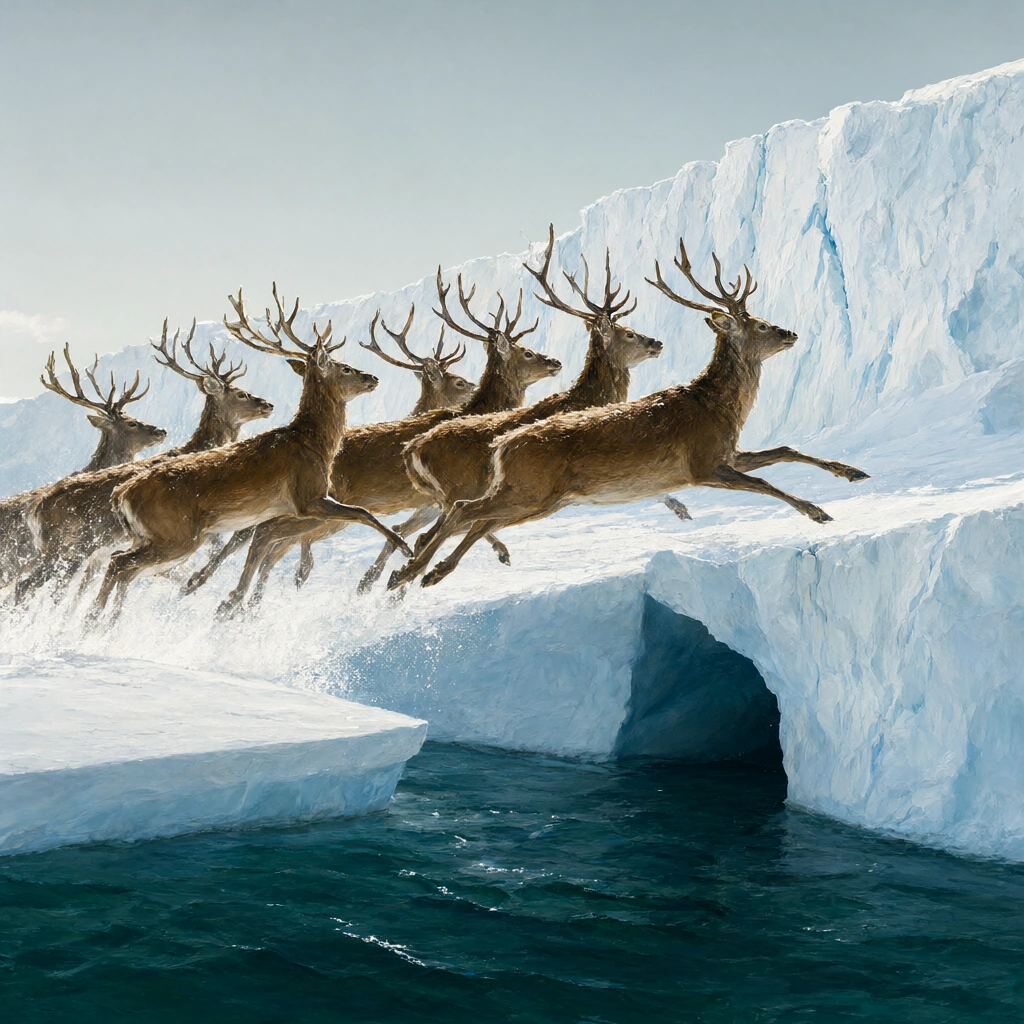 Qwen Image 2.1
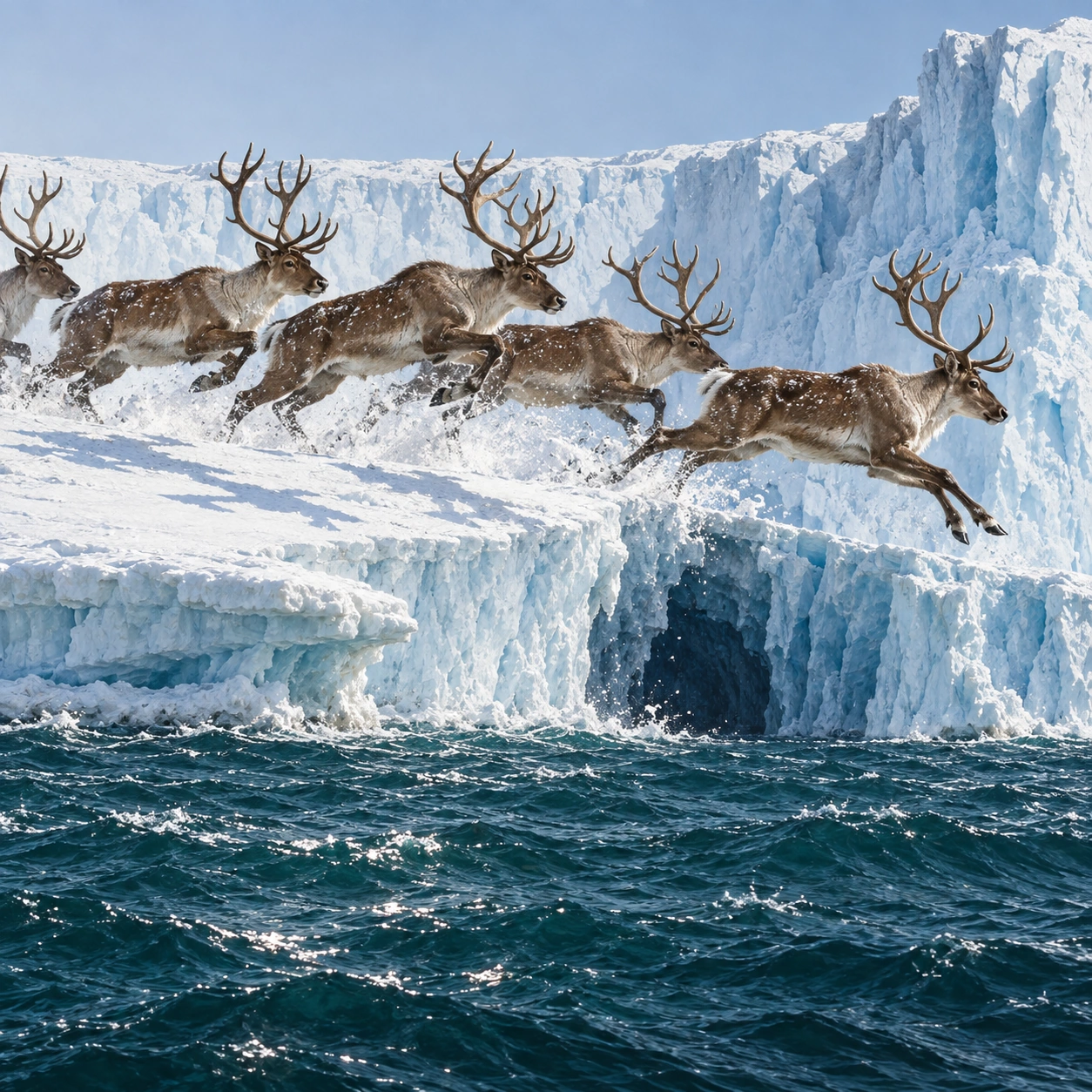 GPT Image 2.5
Reference details
- Reference ID
- 1559
- Category
- Painting
Reference prompts
Style prompt
The surreal naturalistic painting sets carefully observed moving forms against severe expanses of cold water and pale broken terrain. Crisp white and icy blue occupy high-value structural masses, while deep teal and navy anchor the lower frame; warm brown accents provide the main moving rhythm. Fine speckles and directional strokes describe spray, layered fractures, and surface ripples without turning the broad areas into uniform texture. Overlapping diagonals drive the eye across a long horizontal boundary. Clear upper daylight produces cool cast shadows and bright broken highlights, while deeper openings fall nearly black. Anatomical detail remains precise enough to feel real, even when the surrounding situation has dreamlike scale or logic. The overall effect is kinetic and uncanny, balancing documentary surface clarity with a stark, impossible environment.Full example prompt
A square surreal wildlife painting shows several antlered deer leaping together at the edge of a white ice shelf above dark turquoise water. The sky is a pale, clear blue-gray field across the upper third, with little cloud detail. A high snow wall runs horizontally behind the animals and rises abruptly into a jagged, taller ice face on the right. Its pale surface is full of blue creases, compacted layers, and broken ridges. Across the middle, the deer spring from left toward right in overlapping diagonal poses. Brown bodies with lighter undersides and scattered white marks stretch through the air; multiple branching antlers create an intricate rhythm above the line of backs. One animal at the far left is partly cropped or obscured, while the forward deer at the right extends its legs over a steep drop. Their hooves kick up fine snow and spray, and cool shadows on the ice repeat some of the running forms. A dark crevice opens beneath the ledge near the lower right center, making the leap feel precarious. The foreground is almost entirely water, its deep green-blue surface broken by small white highlights and rippling brush marks. The waterline meets the ice in a crisp, uneven edge, and a low shelf projects slightly above it at the left. There are no trees, buildings, people, or readable words. Bright cold daylight arrives from high on the left, illuminating the snow and the upper planes of the deer while undersides and the crevice fall into blue-gray shadow. The animals are rendered with naturalistic anatomy and fine markings, but the ice cliff and water create an improbable, dreamlike setting. The overall composition is urgent and sweeping, using the herd's linked movement to carry the eye across a stark contrast of warm bodies, white ice, and dark open water.