
Styles
#1641
Emory Douglas style reference and prompts
Explore the “Emory Douglas” reference with screen-print texture, tactile surfaces, and close cropping. View the images, copy the style or example prompt, and discover related styles on Looksift.
Compare the Qwen Image 2.1 and GPT Image 2.5 examples, choose the visual qualities you want, and copy the style prompt for your own project.
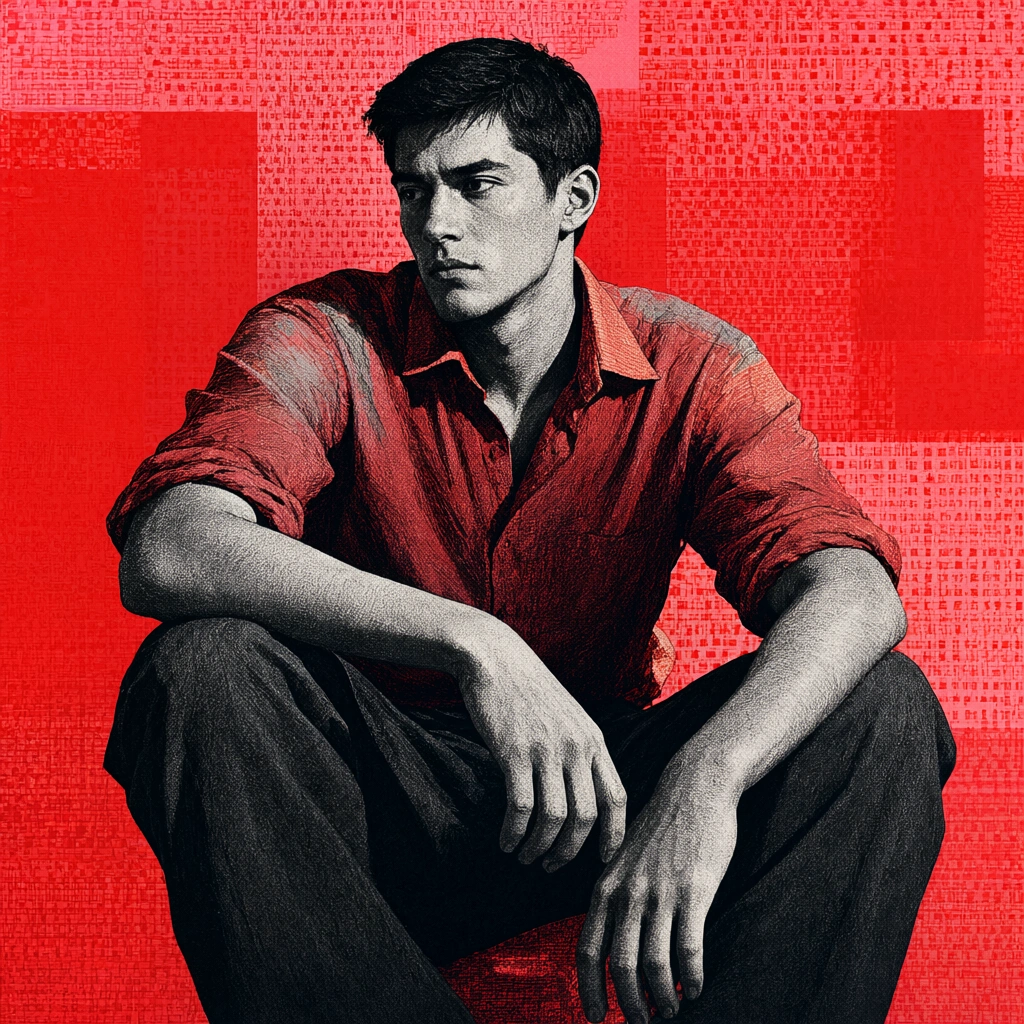 Qwen Image 2.1
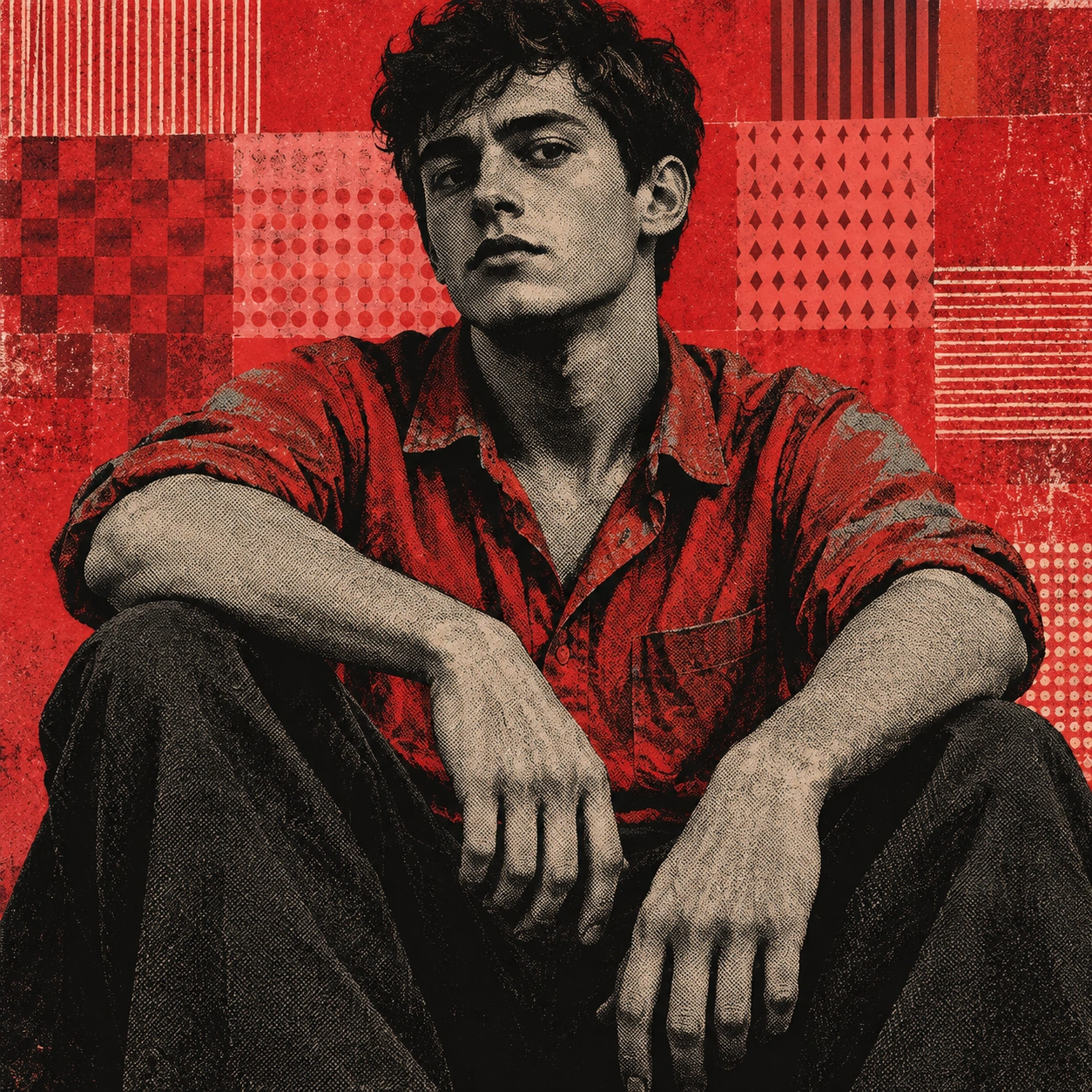 GPT Image 2.5
Reference details
- Reference ID
- 1641
- Category
- Ink & line
Reference prompts
Style prompt
The graphic image combines screen-print-like flat color with coarse photographic halftone and assertive black ink contours. Large saturated fields remain nearly even, while dense dots, fine parallel strokes, and crosshatched fragments build selective texture inside the forms. Edges alternate between hard cutout boundaries and rough printed grain, preserving a tactile sense of pressure and imperfect registration. Scarlet, coral, and hot pink take up a broad share of the frame, countered by near-black masses and a narrow range of gray highlights. Repeated linear patterns create visual agitation across the open areas, while the darker concentrated shapes establish a stable focal weight. Lighting is translated into abrupt shifts between pale halftone and opaque shadow rather than soft photographic gradients. Overlapping planes and tightly cropped large forms push forward against the patterned field. The overall effect is direct, urgent, and handmade, with political-poster intensity carried by color, contrast, and densely worked surfaces rather than by literal text.Full example prompt
A square print-like portrait shows a young man sitting with his knees raised against a vivid red background of layered geometric patterns. Across the upper edge and behind his shoulders, blocks of pink, scarlet, and coral hold tight rows of lines, checks, and small repeated marks. Their abrupt joins make the background feel assembled from printed fragments rather than a single smooth wall. The man's short dark hair and steady face rise in the upper center, with his gaze directed slightly toward the viewer's left. His expression is quiet and serious, and the darkest areas of his eyes, nose, and neck are built from dense black shadow. He wears a collared red shirt with the sleeves rolled above the elbows. Black ink-like lines describe the creases of the fabric, while muted gray and warm red patches share the shoulders, chest, and open collar. His torso leans slightly forward over the bent knees that fill much of the lower frame. One forearm crosses the left knee diagonally, and his hand hangs near the center; the other forearm rests along the right knee, with its hand reaching down in front. The arms and hands are large in the composition, rendered in gray halftone grain with dark contours that make their weight clear. Dark trousers fold beneath them and form broad black wedges across the bottom. On the right, a small triangle of brighter patterned red shows between arm and body, repeating the background's graphic texture at a different scale. The lighting is strong but stylized: pale gray highlights fall on the face, forearms, and fingers, while deep black shadow gathers under the jaw and between the limbs. The image has no smooth photographic color transitions; its volume comes from coarse dot texture, hatch-like marks, and sharply divided value areas. The overall composition places a monumental seated figure against a restless red field, using tactile print texture and restrained black-gray modeling to give the pose gravity and directness.