
Styles
#1959
Tomoo Gokita style reference and prompts
Explore the “Tomoo Gokita” reference with fine grain, smooth tonal modeling, and negative space. View the images, copy the style or example prompt, and discover related styles on Looksift.
Compare the Qwen Image 2.1 and GPT Image 2.5 examples, choose the visual qualities you want, and copy the style prompt for your own project.
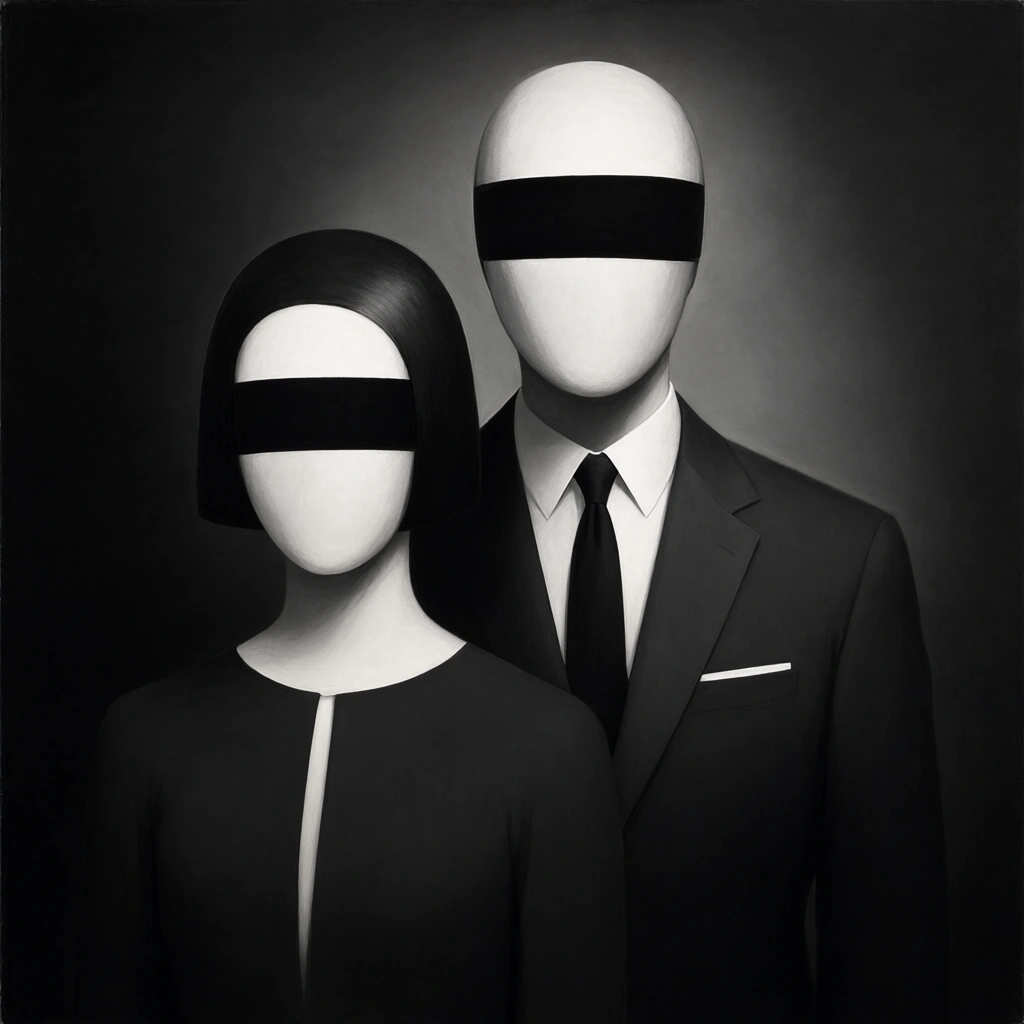 Qwen Image 2.1
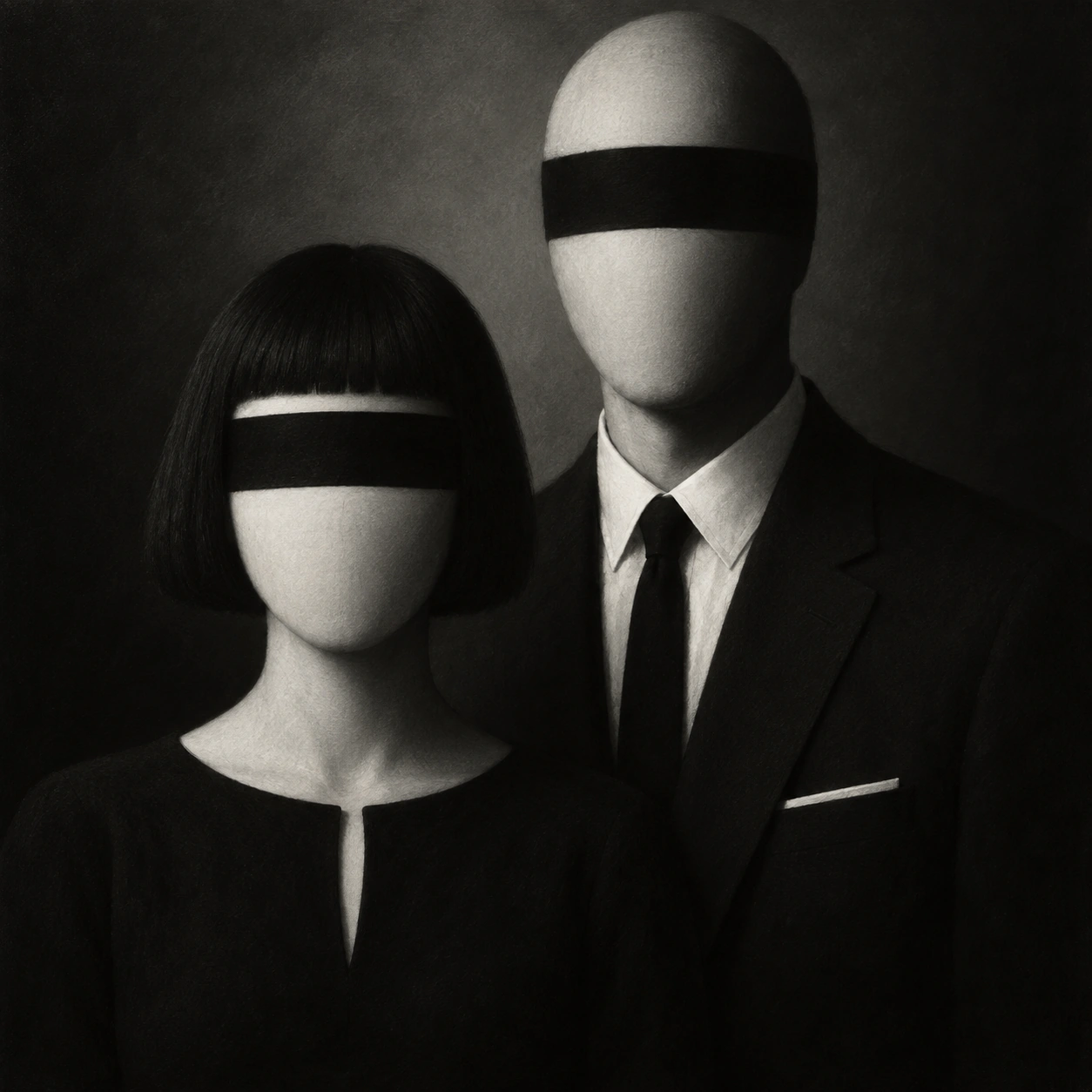 GPT Image 2.5
Reference details
- Reference ID
- 1959
- Category
- Painting
Reference prompts
Style prompt
The digital painting uses a near-monochrome range of velvety black, charcoal gray, and cool off-white. Large, uninterrupted dark fields surround a few pale simplified volumes, so the brightest area is immediately legible without small decorative detail. Smooth tonal modeling gives those light volumes a quiet sense of mass, while broad flat bands interrupt them with precise geometric edges. Dark forms overlap in shallow layers; their boundaries sometimes dissolve into the background instead of being outlined throughout. Soft directional light creates a narrow gray glow and a measured falloff into black, with very little reflected color. Faint fine grain keeps the broad surfaces from appearing perfectly sterile. The visual rhythm moves between upright rounded forms, firm horizontal divisions, and generous negative space. The overall effect is austere and uncanny, with selective sharpness carrying more weight than texture or ornament.Full example prompt
A square monochrome digital painting shows two faceless figures in formal dress against a charcoal studio background. The background is nearly black at the left and lower edges, while a restrained gray halo spreads behind the taller figure's head in the upper center. In the foreground on the left, a shorter figure faces forward with a smooth pale oval face and a sharply cut black bob. A broad horizontal black band crosses the face at eye level; there are no visible eyes, nose, or mouth. The dark garment has a simple rounded neckline and a narrow pale opening at the center of the chest. The head, neck, and upper torso emerge as clean, simplified volumes from the surrounding shadow. Behind and to the right stands a taller figure in a dark suit jacket, white shirt, and narrow black tie. A small pale line at the jacket pocket catches the eye near the lower right. The taller head is also an unmarked pale oval, interrupted by a black band across the upper face. Its softly modeled lower half narrows toward the neck, while the shoulder and lapel are formed with broad, quiet planes. The foreground figure overlaps the jacket and tie, making the pair read as a compact group rather than two isolated silhouettes. The pale faces carry the brightest values, the shirt and pocket detail supply smaller white accents, and the clothes sink into several degrees of charcoal. Light seems to arrive from the upper left, rounding the heads and leaving the far right side of the taller face and suit in deep shadow. The painted surface is smooth with faint grain and subtle tonal transitions; edges are crisp where the face meets the dark band and softer where dark clothing meets the background. The overall composition is still and tightly balanced, using stark black and white geometry to give the formal portrait a strange, restrained mood.