
Styles
#1979
Greg Manchess style reference and prompts
Explore the “Greg Manchess” reference with a matte finish, negative space, and warm and cool tones. View the images, copy the style or example prompt, and discover related styles on Looksift.
Compare the Qwen Image 2.1 and GPT Image 2.5 examples, choose the visual qualities you want, and copy the style prompt for your own project.
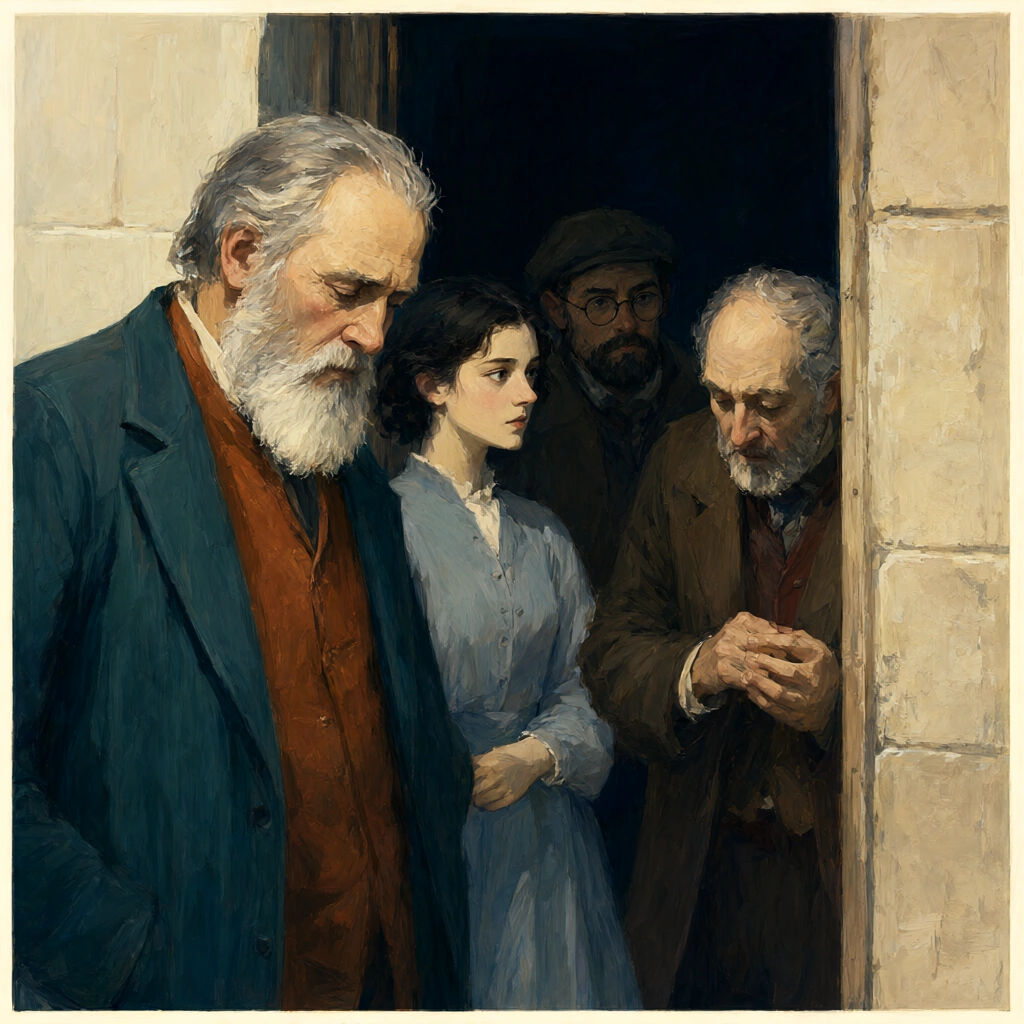 Qwen Image 2.1
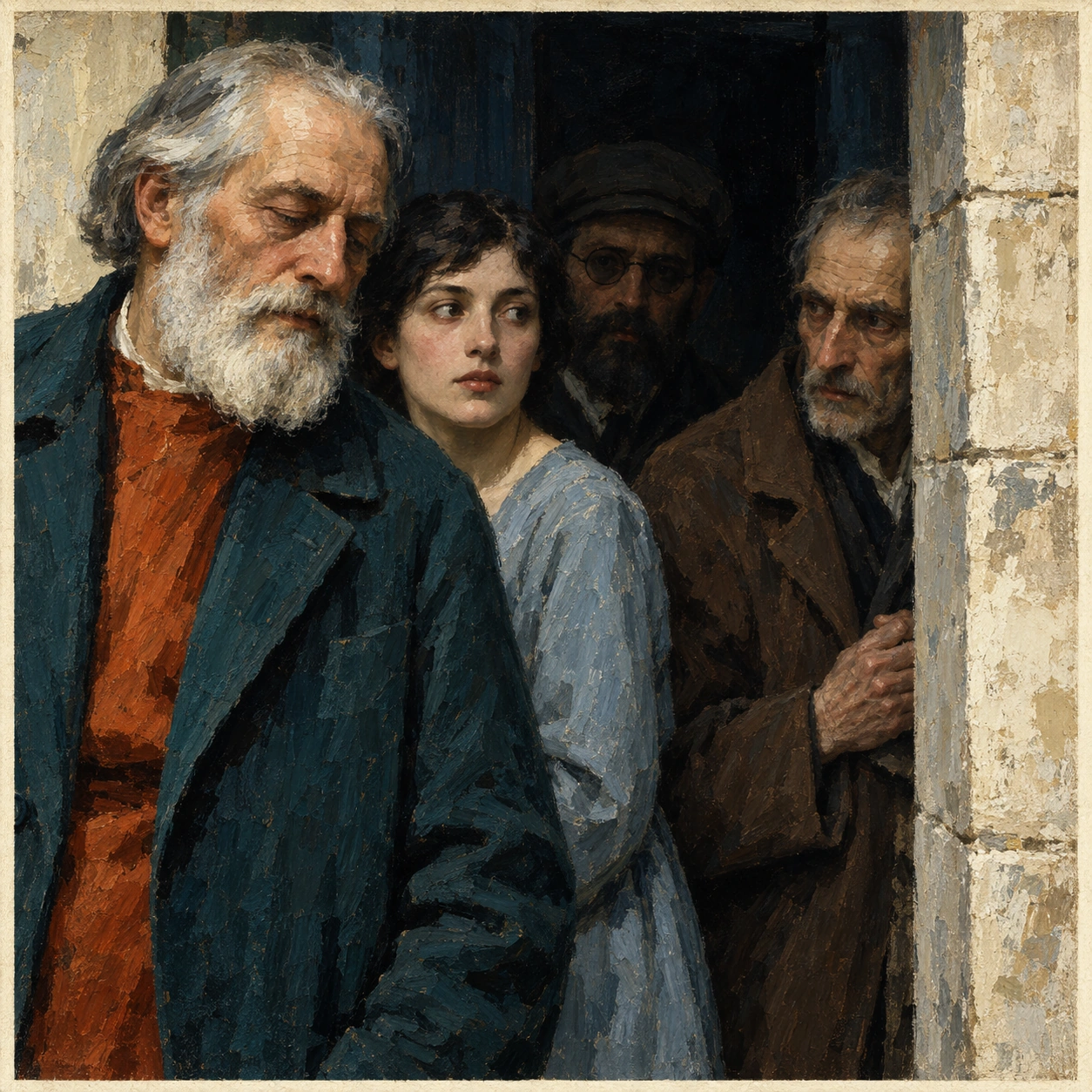 GPT Image 2.5
Reference details
- Reference ID
- 1979
- Category
- Flat illustration
Reference prompts
Style prompt
Painterly narrative illustration uses broad, angular blocks of muted color to establish volume, then breaks those blocks with smaller strokes at focal edges. Deep teal and charcoal occupy recessed areas, while chalky cream and warm rust catch a selective side light. Nearby forms overlap tightly, with thin bands of dark negative space keeping each silhouette distinct. Some edges are cut sharply against the deepest values; others disappear into adjacent shadow, giving the arrangement a staged depth. Surfaces show visible bristle-like changes in direction and a slightly worn, matte finish rather than smooth gradients. Light is concentrated on a few high planes and falls away quickly, allowing warm and cool patches to alternate across the composition. The overall effect is compact, expressive, and dramatic without losing the physical weight of the forms.Full example prompt
The image is a square, painterly narrative illustration of four people gathered in a shadowed doorway beside a pale stone wall. A narrow cream border frames the scene, and the right edge is occupied by worn beige masonry with visible joints and uneven stains. The opening behind the group is deep blue-black, leaving the figures to emerge through warm and cool planes of paint. On the left foreground, an older man fills much of the frame in three-quarter view, his gray hair brushed back and a full white beard catching the light. His eyes are lowered or nearly closed, and his dark teal coat opens over a rust-orange garment. Just behind his shoulder near the center, a young woman with short dark hair and a pale blue-gray dress looks toward the right, her face held in a quiet, alert expression. In the darker middle background, a bearded man with round dark glasses and a cap stands partly concealed between the others. At the right side of the doorway, another older man leans inward with his hands gathered near his chest, his brown coat and sharp pale face broken into angular painted facets. The people are close together, yet each face is separated by a different band of shadow. Light enters from the left and front, striking the first man's forehead and beard, the woman's cheek and clothing, and parts of the stone wall while the recess behind them remains dark. Brushwork alternates between broad, decisive blocks on coats and walls and smaller broken marks around faces, fingers, and hair. Edges soften into the doorway shadow, then sharpen where pale skin or fabric meets the blue-black ground. The camera stays near eye level and close enough that bodies are cropped at the lower border, making the faces and overlapping shoulders the main structure. The overall composition uses muted teal, cream, rust, and charcoal in a compressed arrangement that feels watchful and theatrical.