
Styles
#2017
William Kay Blacklock style reference and prompts
Explore the “William Kay Blacklock” reference with pale neutral tones. View the images, copy the style or example prompt, and discover related styles on Looksift.
Compare the Qwen Image 2.1 and GPT Image 2.5 examples, choose the visual qualities you want, and copy the style prompt for your own project.
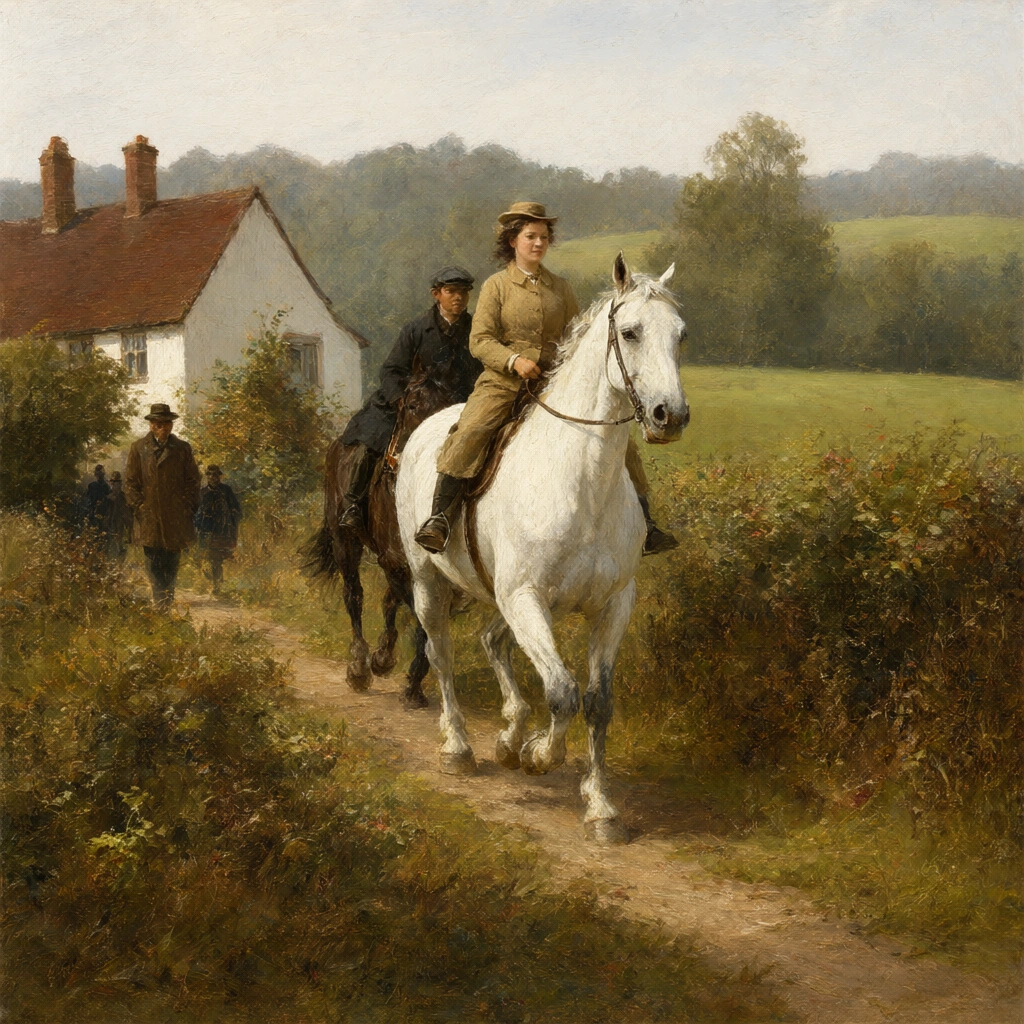 Qwen Image 2.1
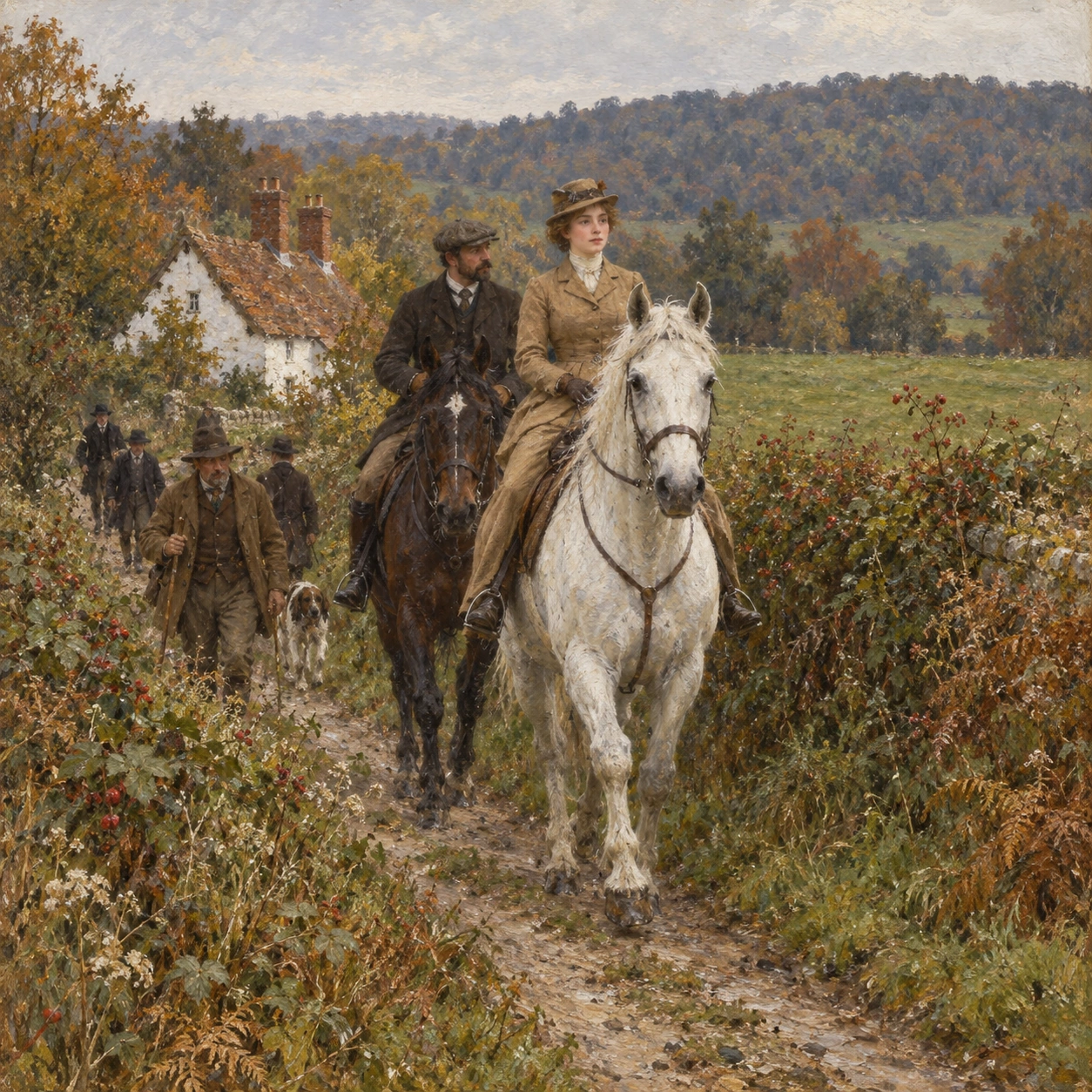 GPT Image 2.5
Reference details
- Reference ID
- 2017
- Category
- Painting
Reference prompts
Style prompt
The oil painting has finely broken, textured marks within a subdued range of olive green, russet, warm brown, soft gray, and cream. Near forms are described by small varied strokes and selective firm edges, while distant masses merge into softer atmospheric color. One broad pale form is placed among darker surrounding areas, creating a clear visual center without extreme contrast. The ground is assembled from short clustered marks that move diagonally toward a narrower middle zone; wider horizontal bands calm the background. Daylight is diffuse under a light overcast, so highlights are gentle and shadows gather mainly beneath overlapping forms. Texture is more distinct at the bottom and near the center, then becomes smoother with distance. Muted red-orange accents recur sparingly within the earthy palette. The overall effect is pastoral and observational, with modest movement, natural depth, and a warm but restrained finish.Full example prompt
A square traditional oil painting shows two riders advancing along a narrow country path in soft autumn daylight. A white horse occupies the center-right foreground, moving toward the viewer with one front leg lifted. A young woman in a tan riding outfit and small hat sits upright on its back, facing ahead. Just behind and slightly to the left, a man in a dark coat and flat cap rides a darker horse, his figure partly overlapped by the woman and the white horse. Their forms emerge from low green and russet vegetation beside the path. On the left, several walkers follow on foot, including a nearer man in a brown coat and brimmed hat; smaller dark figures recede toward a white cottage with a steep reddish roof and two brick chimneys. Bushes and rough grass fill the foreground, painted in olive, ocher, muted orange, and brown with occasional tiny red and pale accents. The path winds up from the lower center through the animals' feet and narrows into the middle distance. Beyond the cottage and riders, a broad green field rises toward a line of soft, densely wooded hills. The sky is pale and lightly overcast, with little sharply defined cloud detail. Fine, broken oil strokes give the coats, horse hair, leaves, and turf different textures, while the distant tree line blends more softly. The white horse is the brightest large form, catching diffuse light on its head and chest; shadows settle beneath its neck, the riders, and the hedge-like edges of the track. The overall composition is gently active and pastoral, drawing the eye from the loose foreground growth through the riders to a sheltered house and quiet hills.