
Styles
#2307
David Aja style reference and prompts
Explore the “David Aja” reference with fragmented marks. View the images, copy the style or example prompt, and discover related styles on Looksift.
Compare the Qwen Image 2.1 and GPT Image 2.5 examples, choose the visual qualities you want, and copy the style prompt for your own project.
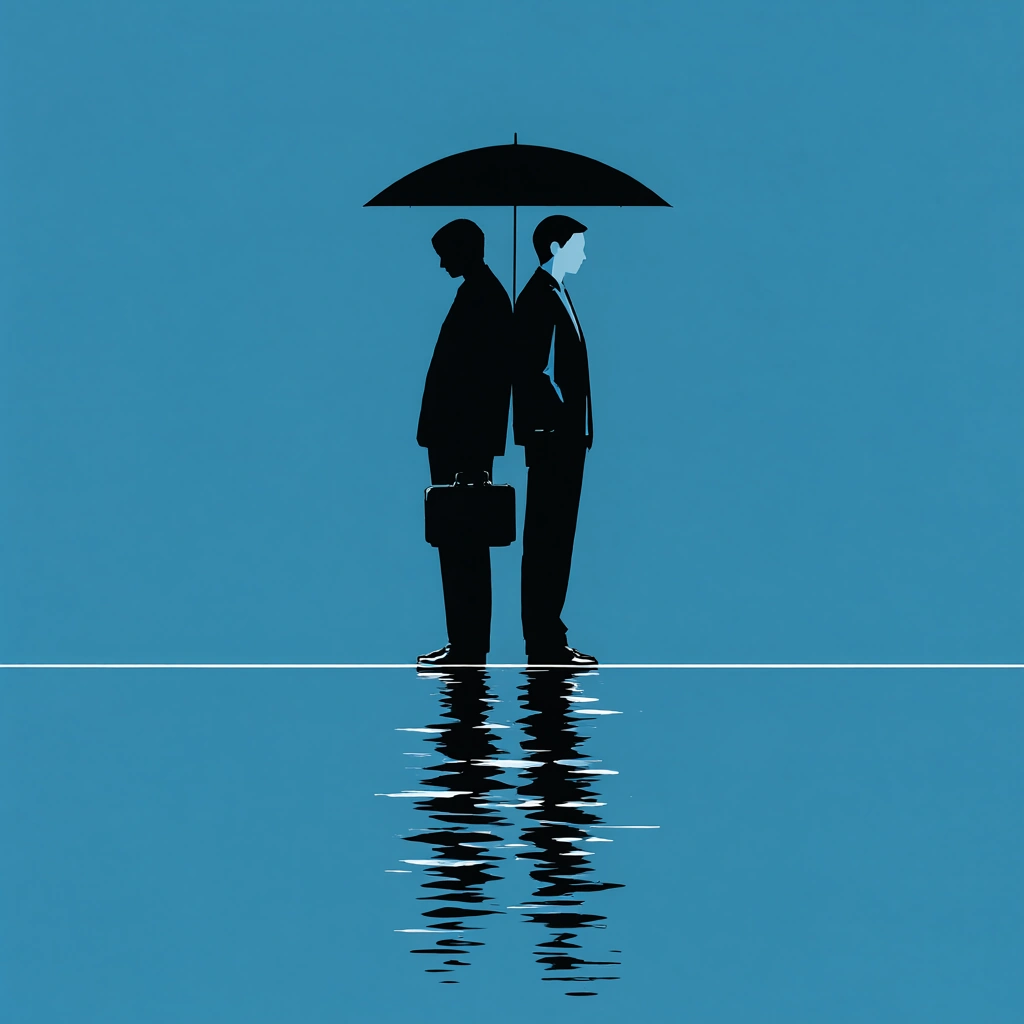 Qwen Image 2.1
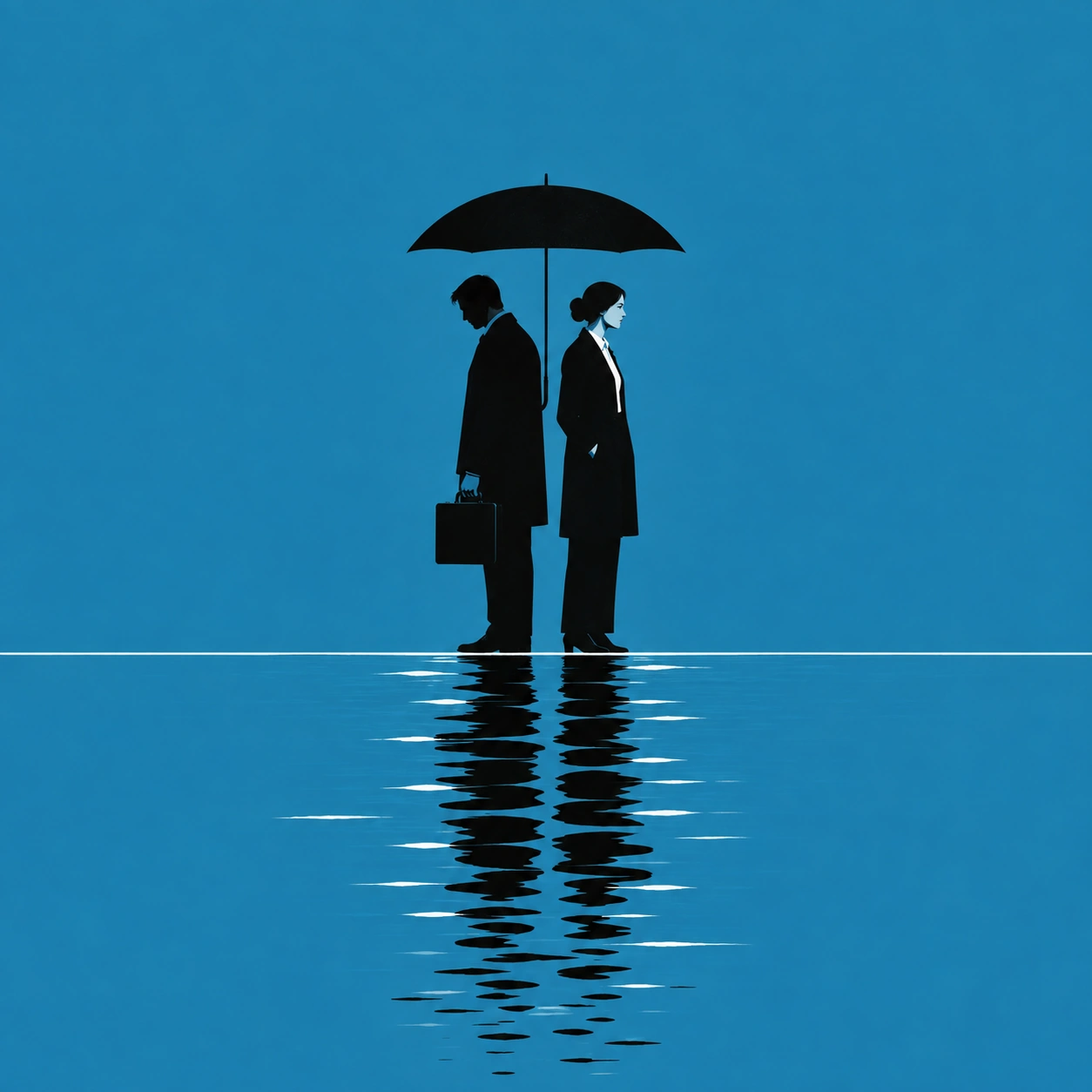 GPT Image 2.5
Reference details
- Reference ID
- 2307
- Category
- Flat illustration
Reference prompts
Style prompt
The graphic illustration relies on large uninterrupted color fields, dense black silhouettes, and a few sharp white cuts. Teal-blue carries most of the image area, so even narrow pale accents read strongly. Shapes are reduced to decisive flat contours; internal detail is sparse, and adjacent dark masses remain legible through carefully placed gaps. A long horizontal division anchors the lower region, where repeated broken strokes introduce a rougher, rhythmic texture against the otherwise smooth fields. Illumination is expressed through value placement rather than gradual shading, and the contrast remains bold even at small scale. Broad empty space surrounds a compact cluster of interlocking forms, giving the image stillness while the short fragmented marks add controlled movement. The overall finish is crisp, economical, and slightly enigmatic.Full example prompt
A square minimalist graphic illustration shows two dark-suited figures standing back to back beneath one black umbrella, surrounded by a broad, flat teal-blue field. The upper half is mostly unmarked blue negative space, giving the small central group a deliberate sense of isolation. Near the top center, the umbrella forms a clean, low black arc with a thin upright handle descending between the figures. On the left, a figure faces away in profile, head lowered slightly; a compact black case hangs from one hand beside the leg. On the right, a second figure faces the opposite direction, with a pale blue face and a narrow bright strip of shirt showing between dark jacket panels. Both are built largely from solid black shapes, with only a few blue cuts defining heads, arms, and the space between them. Across the lower third, a thin white horizontal line passes through the scene, marking the division above a reflective water surface. Below it, the paired dark forms stretch downward as broken black ripples, interrupted by short white strokes and narrow blue gaps. The reflection is not a smooth mirror image: its wavering stripes give the flat design a small area of motion and texture. The top of the water remains nearly level, while the lower edge becomes a sequence of increasingly loose black marks. Lighting is graphic rather than naturalistic, with the lightest values reserved for the white line, pale face, and scattered glints; no modeled cast shadow appears on the blue ground. The palette is held almost entirely to medium teal-blue, black, and small white accents. The overall composition turns two opposing silhouettes and their shared overhead shape into a quiet visual riddle, using immense negative space and a narrow band of reflection for rhythm.