
Styles
#2462
Max Beckmann style reference and prompts
Explore the “Max Beckmann” reference with tactile surfaces, teal and ochre tones, and pale neutral tones. View the images, copy the style or example prompt, and discover related styles on Looksift.
Compare the Qwen Image 2.1 and GPT Image 2.5 examples, choose the visual qualities you want, and copy the style prompt for your own project.
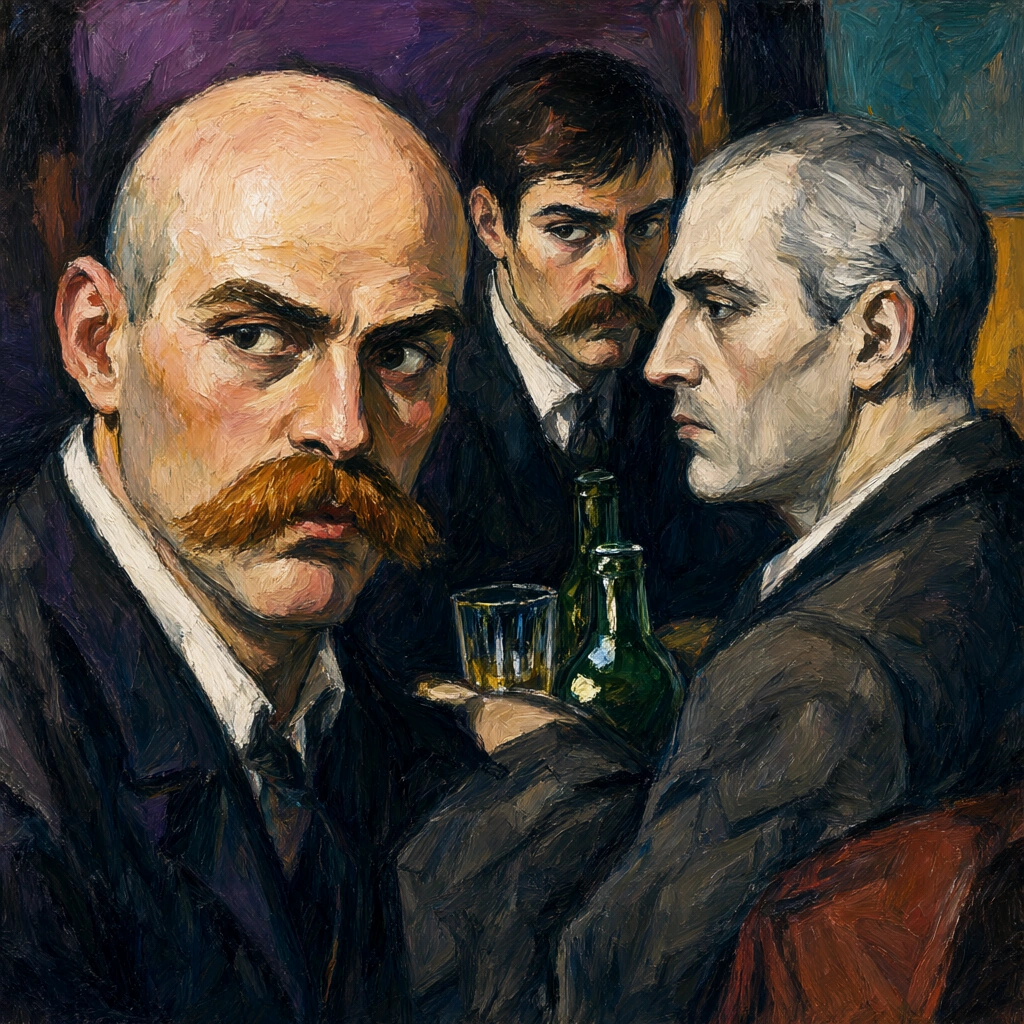 Qwen Image 2.1
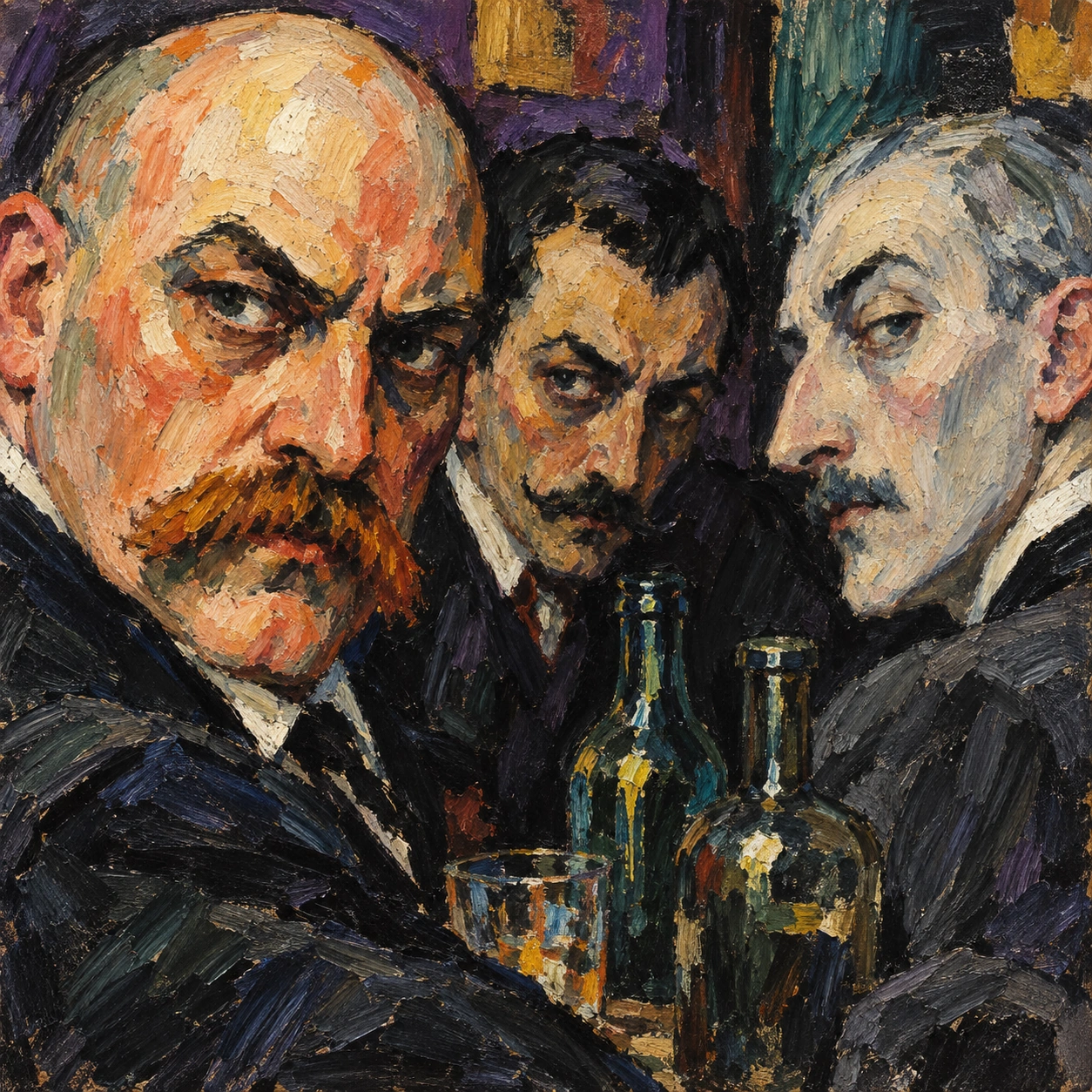 GPT Image 2.5
Reference details
- Reference ID
- 2462
- Category
- Painting
Reference prompts
Style prompt
Expressionist oil painting compresses several angular masses into a shallow, crowded frame. Heavy dark contours carve cream, ochre, orange, cold gray, teal, and violet into abrupt planes. Thick dragged paint leaves a visibly rough, layered surface, while a few glassy accents pick up small hard highlights. Light concentrates on large pale upper forms, then fractures into tiny bright points below. Overlapping shapes create tension and a descending rhythm rather than orderly depth. Background detail is reduced to dark patches and narrow color seams. Eyes or similarly small focal marks can be drawn with exceptional force within otherwise loose handling. The whole treatment is theatrical, psychologically charged, and unapologetically tactile.Full example prompt
A square expressionist oil painting crowds three men's faces into a dim interior. The largest, a bald man with a heavy ginger mustache, fills the left foreground. He looks sharply toward the viewer from beneath dark angled brows. Behind his right shoulder, a smaller man with dark hair and a pointed mustache peers forward, partly obscured by the others. At the right, a pale gray-haired man appears in profile, turning his narrow face toward the group. Their dark jackets, white collars, and thickly painted shoulders overlap at the lower edge. Between them, two glass bottles and the rim of a drinking glass catch small flashes of yellow and blue-green light. The background is compressed into patches of purple, black, ochre, and teal, with little readable room detail. Faces are built from abrupt planes of cream, orange, rose, and cold gray, outlined by forceful dark strokes. Eyes and mustaches receive especially sharp emphasis, while ears, clothing, and recesses loosen into rough brushwork. Light strikes the left man's forehead and cheeks and the right man's pale face, then breaks into smaller fragments on glass. The short depth and tight crop make the men's glances feel confrontational and theatrical. The paint surface is visibly dragged and layered, with angular marks that roughen skin rather than smoothing it. Despite the crowded arrangement, the bright bald head at left and the two smaller faces establish a clear descending rhythm across the frame. The painting feels psychologically tense, held together by heavy contours, acidic color contrasts, and a restless physical paint surface.