
Styles
#2596
Thomas Struth style reference and prompts
Explore the “Thomas Struth” reference with soft diffused light and atmospheric haze. View the images, copy the style or example prompt, and discover related styles on Looksift.
Compare the Qwen Image 2.1 and GPT Image 2.5 examples, choose the visual qualities you want, and copy the style prompt for your own project.
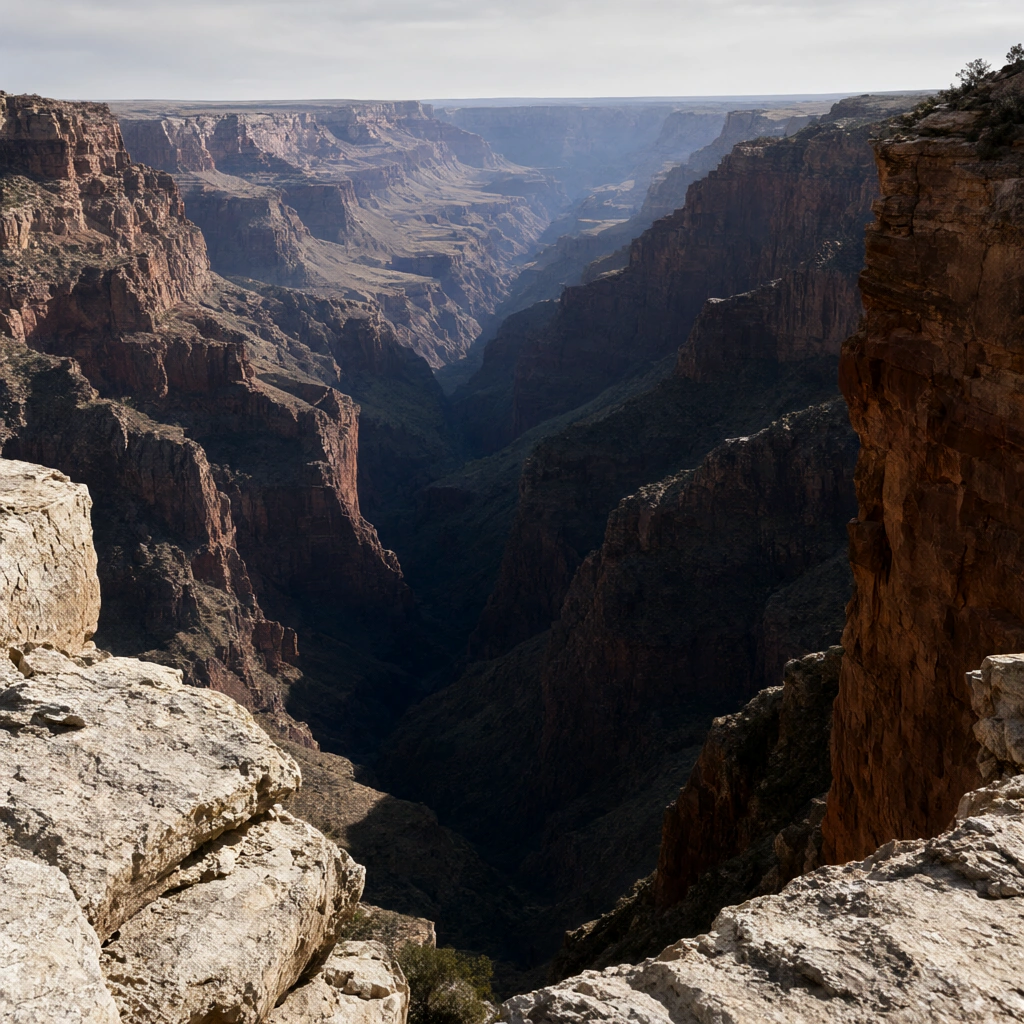 Qwen Image 2.1
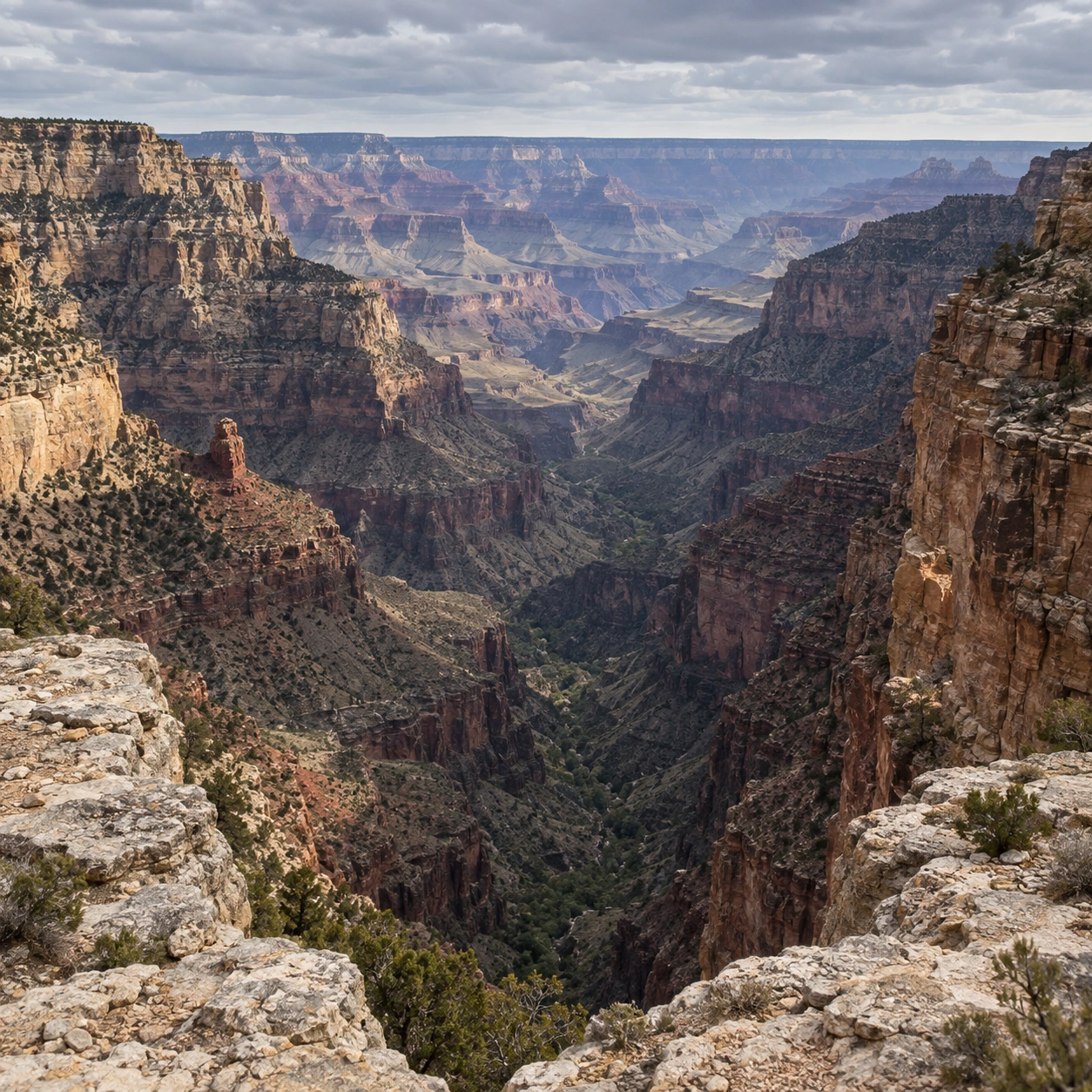 GPT Image 2.5
Reference details
- Reference ID
- 2596
- Category
- Photography
Reference prompts
Style prompt
A measured color photographic style builds depth from successive sharply observed layers rather than dramatic color effects. Earthy browns, stone gray, subdued green, and cool distant blue remain restrained, letting variations of light across surfaces define form. Broad, diffuse illumination preserves detail in pale exposed planes while deep recesses supply strong local contrast. Near textures are crisp and granular, middle layers keep clear structure, and farther forms soften gradually through atmospheric haze. A stable horizontal upper band balances a densely articulated lower field, while diagonal planes guide attention into the composition. Dark intervals between pale masses convey volume without artificial outlines. The overall effect is quiet, expansive, and exacting, with natural texture and spatial recession carrying the visual interest.Full example prompt
The image is a square, carefully composed color landscape photograph of a deep canyon viewed from a rocky rim beneath a broad gray cloud cover. A narrow pale sky occupies the top band, and its nearly horizontal horizon gives the complex terrain a stable upper boundary. The foreground begins with rough pale stone at the far left and lower right, close enough to show broken faces and small irregular ledges. Between those edges, the ground drops abruptly into a dark central cleft that draws the eye toward the middle distance. On the left, broad stepped cliffs alternate warm tan rock with deep charcoal shadows; a narrow reddish spur rises from the lower slope. Across the right side, a tall rust-brown wall stands near the viewer, its vertical strata and projecting ledges catching uneven patches of light. Behind it, another dark wall runs diagonally toward the distant center. Farther back, repeated pale ridges, layered terraces, and sloping cuts become progressively smaller and cooler, giving the canyon a long, deep reach. Near the bottom, scattered scrub and muted green growth soften the otherwise hard stone contours without filling the open drop. The rock surfaces are highly varied: some planes look chalky and light, others red-brown and sharply fractured, and the deepest recesses almost black. Diffuse daylight comes through the clouded sky, illuminating selected exposed faces while leaving steep inner walls in heavy shade. There is no single hard cast shadow; depth is read through the succession of lit and dark planes and the bluish atmospheric loss of contrast in the distance. The view feels still and unpopulated, with no visible human structure or readable text. The overall composition sets rough close ledges against a narrowing, immense central void, using subdued earth color and measured layers to convey scale.