
Styles
#2629
Peter Turnley style reference and prompts
Explore the “Peter Turnley” reference with a monochrome palette and atmospheric haze. View the images, copy the style or example prompt, and discover related styles on Looksift.
Compare the Qwen Image 2.1 and GPT Image 2.5 examples, choose the visual qualities you want, and copy the style prompt for your own project.
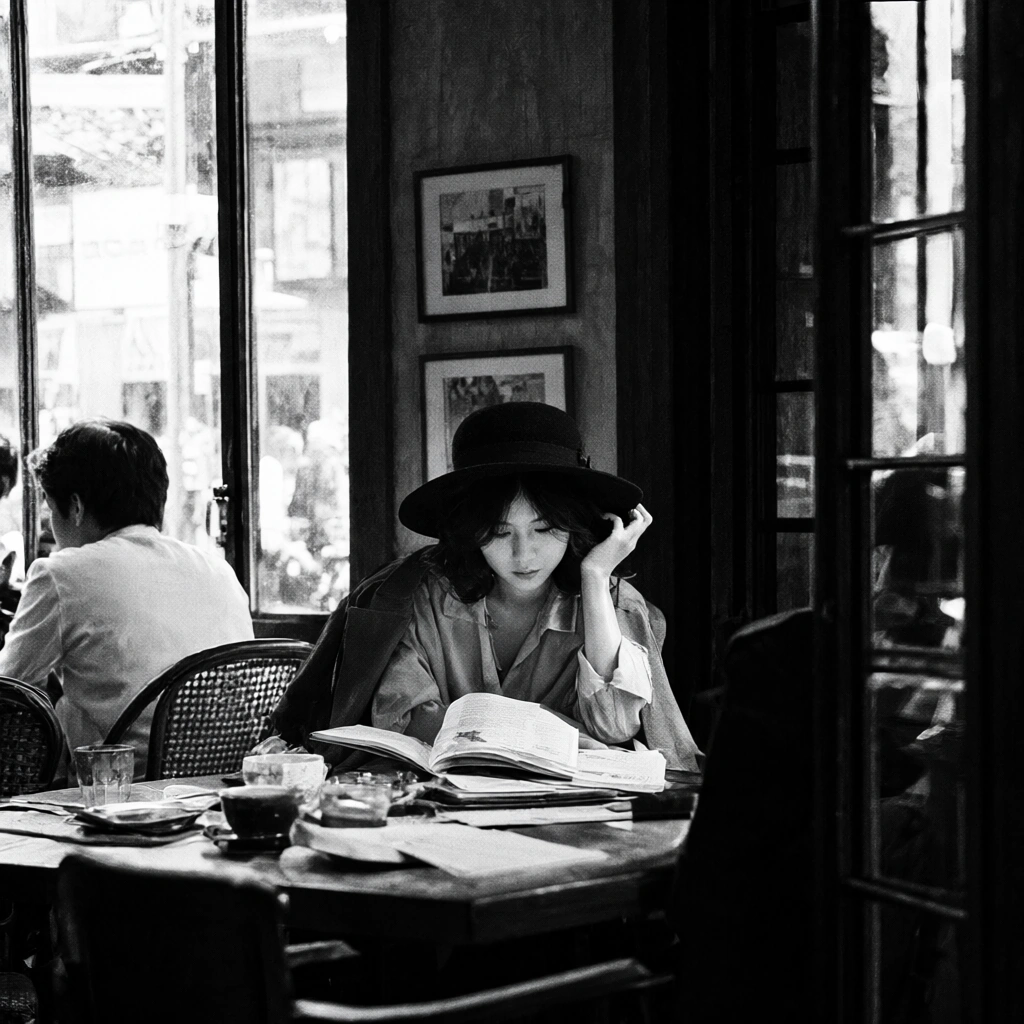 Qwen Image 2.1
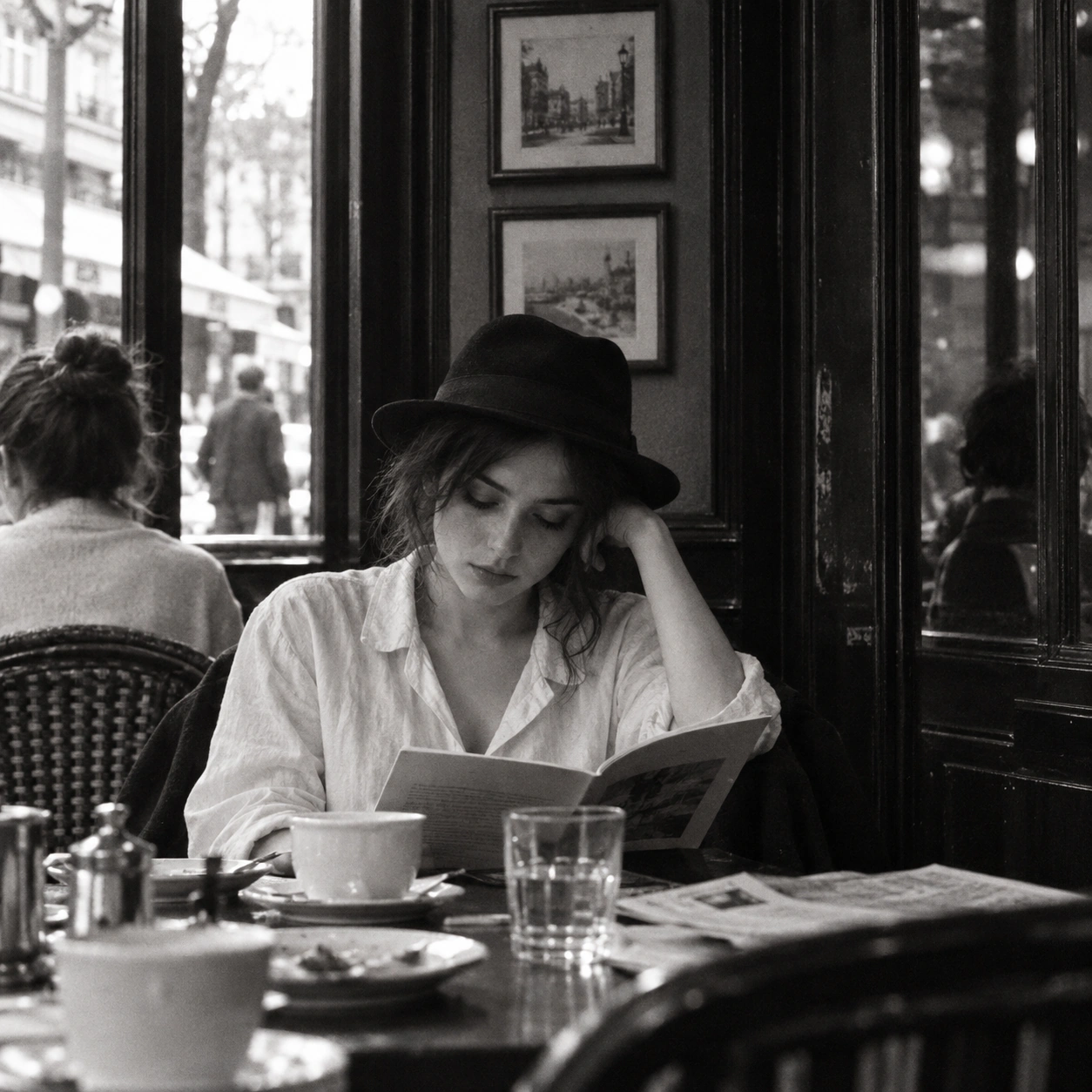 GPT Image 2.5
Reference details
- Reference ID
- 2629
- Category
- Photography
Reference prompts
Style prompt
A candid monochrome photographic treatment combines bright window illumination with dense interior shadow. Strong vertical divisions and reflected layers partition the frame, while a quieter central form remains legible within the clutter. Grain, slight softness, and imperfect focus make foreground and background feel lived-in rather than polished. Pale surfaces catch daylight in irregular patches; dark structural bands hold the composition together and create depth through overlap. Close objects may be cut by the frame, and distant ones dissolve into bright haze, giving a sense of observation from within a crowded space. Tonal values range from luminous white to substantial black without artificial sharpening. The overall effect is intimate, spontaneous, and layered, with ordinary light and visual obstruction producing the mood.Full example prompt
The image is a square, grainy black-and-white café photograph of a young woman in a dark brimmed hat reading at a crowded table beside tall windows. The background is divided by nearly black window frames and reflective glass, with bright outdoor shapes and indistinct passersby visible through the left panes. On the central wall behind her, two framed pictures hang one above the other, their contents too small and soft to identify. The woman sits near the center, her pale face tilted down toward an open booklet or menu. Dark hair escapes beneath the hat, and a loose light shirt contrasts with the coat-dark surroundings. One elbow rests on the table while her hand rises to the side of her head; her other arm lies low beside the open pages. Her expression is absorbed and quiet, and she does not look at the camera. To the left, another seated person faces away in a woven-back chair, with only the back of the head and pale upper clothing clearly visible. Across the lower foreground, plates, cups, a glass, overlapping papers, and a dark chair edge make a broken arrangement of near shapes. Some of those objects fall outside the focus plane or are cut by the frame, adding to the feeling of a real occupied table. On the right, glass reflections and a dim seated shape merge into the black vertical structure. Bright daylight enters from the left windows, lighting the woman's face, shirt, and page, while the interior woodwork and foreground edges remain deep gray to black. The contrast is firm but not glossy; film grain and slight motion softness remain visible in shadows and reflections. No legible words can be read on the pages or distant signs. The overall composition feels candid and layered, with a still private act held amid active window light and the compressed life of a public room.