
Styles
#2673
Joel Sartore style reference and prompts
Explore the “Joel Sartore” reference with lustrous surfaces, negative space, and pale neutral tones. View the images, copy the style or example prompt, and discover related styles on Looksift.
Compare the Qwen Image 2.1 and GPT Image 2.5 examples, choose the visual qualities you want, and copy the style prompt for your own project.
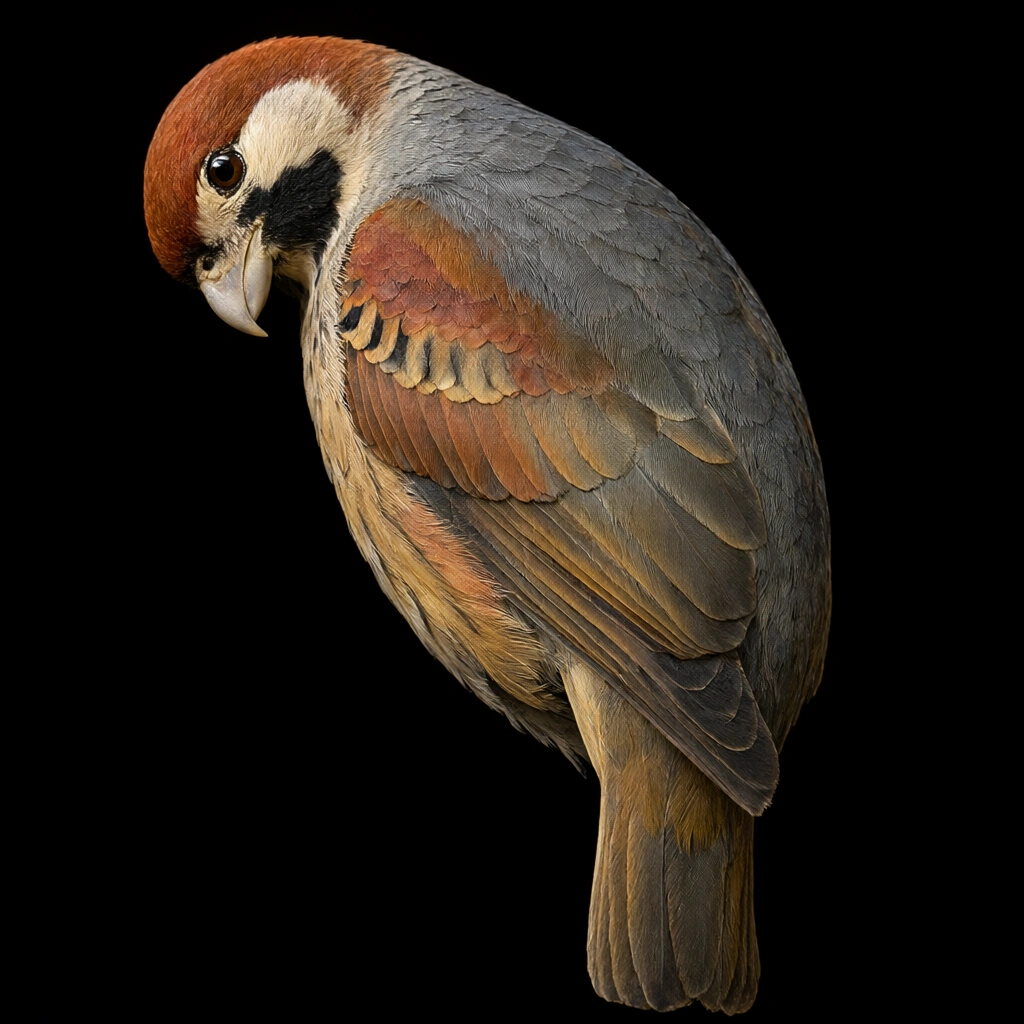 Qwen Image 2.1
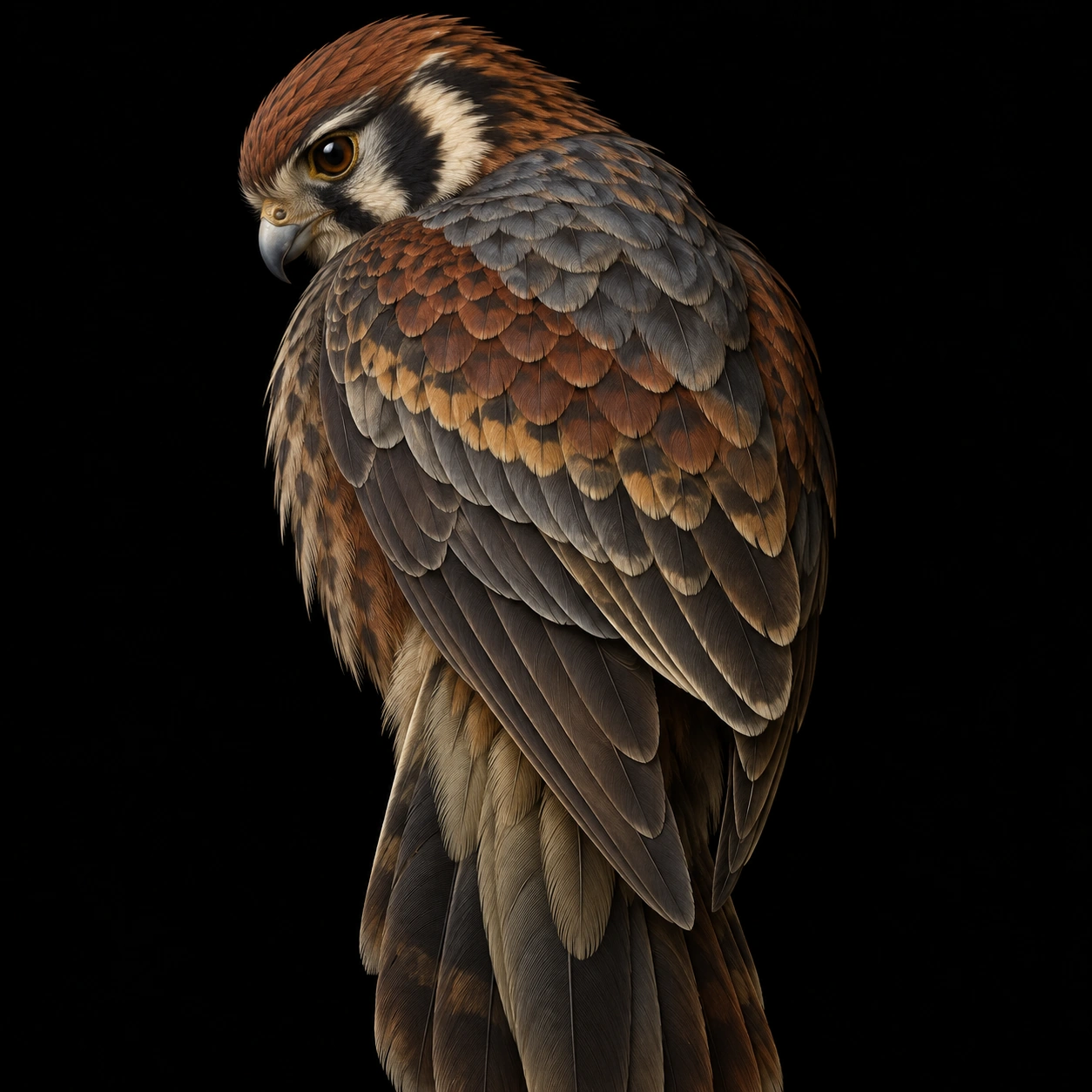 GPT Image 2.5
Reference details
- Reference ID
- 2673
- Category
- Photography
Reference prompts
Style prompt
Controlled studio wildlife portraiture with a near-black seamless ground and one softly directional light. The subject is isolated with a compact silhouette and modest negative space; no environmental setting is needed for spatial explanation. Fine surface structure is the focus: layered scales, overlapping soft edges, minute color changes, and a few glossy highlights are rendered clearly without flattening the forms. Build color from muted rust, umber, ochre, slate, and cream, allowing deep shadow to absorb the outer contours. The eye or another small reflective point can provide a precise focal anchor. Light should skim textured surfaces, leaving recesses dark and preserving the sense of curved volume. Composition favors an expressive turn or fold within the main form, so that repeated small textures move diagonally through the frame. The result is intimate, tactile, and quietly dramatic, closer to a careful specimen study than a busy narrative scene.Full example prompt
A square studio portrait isolates a single bird against an unbroken black background. The bird fills most of the frame, its body turned mostly away from the viewer while its head bends back over its left shoulder. One round amber-brown eye remains visible beneath a rust-colored cap, and a short pale hooked beak points down toward the dark left side. The face carries cream and black patches, with a pale sweep around the eye and a deeper dark wedge near the cheek. Feathers across the upper back and shoulder overlap in small, carefully defined scales of slate gray, burnt orange, and muted red. A broad folded wing lies diagonally across the middle of the body. Its coverts form a band of reddish brown scallops, interrupted by a narrow row of ochre and gray, while longer feathers below shift into warm tan, olive-gray, and deep brown. The tail narrows and falls toward the lower center, its long individual vanes still distinguishable in the controlled light. No perch, cage, landscape, or human hand appears; the bird is presented as a sculptural form suspended in darkness. Soft directional studio illumination catches the relief of each feather edge and the reflective eye, while the underside and background disappear into black. The frame leaves only modest black breathing room around the head, wing, and tail, reinforcing the unusual curved silhouette. The image feels like a meticulous natural-history study with a dramatic, almost carved physical presence: form and color emerge gradually from shadow, and the repeating feather layers provide the main visual rhythm.