
Styles
#2853
Ilford FP4 125 style reference and prompts
Explore the “Ilford FP4 125” reference with tactile surfaces, rhythmic lines, and a monochrome palette. View the images, copy the style or example prompt, and discover related styles on Looksift.
Compare the Qwen Image 2.1 and GPT Image 2.5 examples, choose the visual qualities you want, and copy the style prompt for your own project.
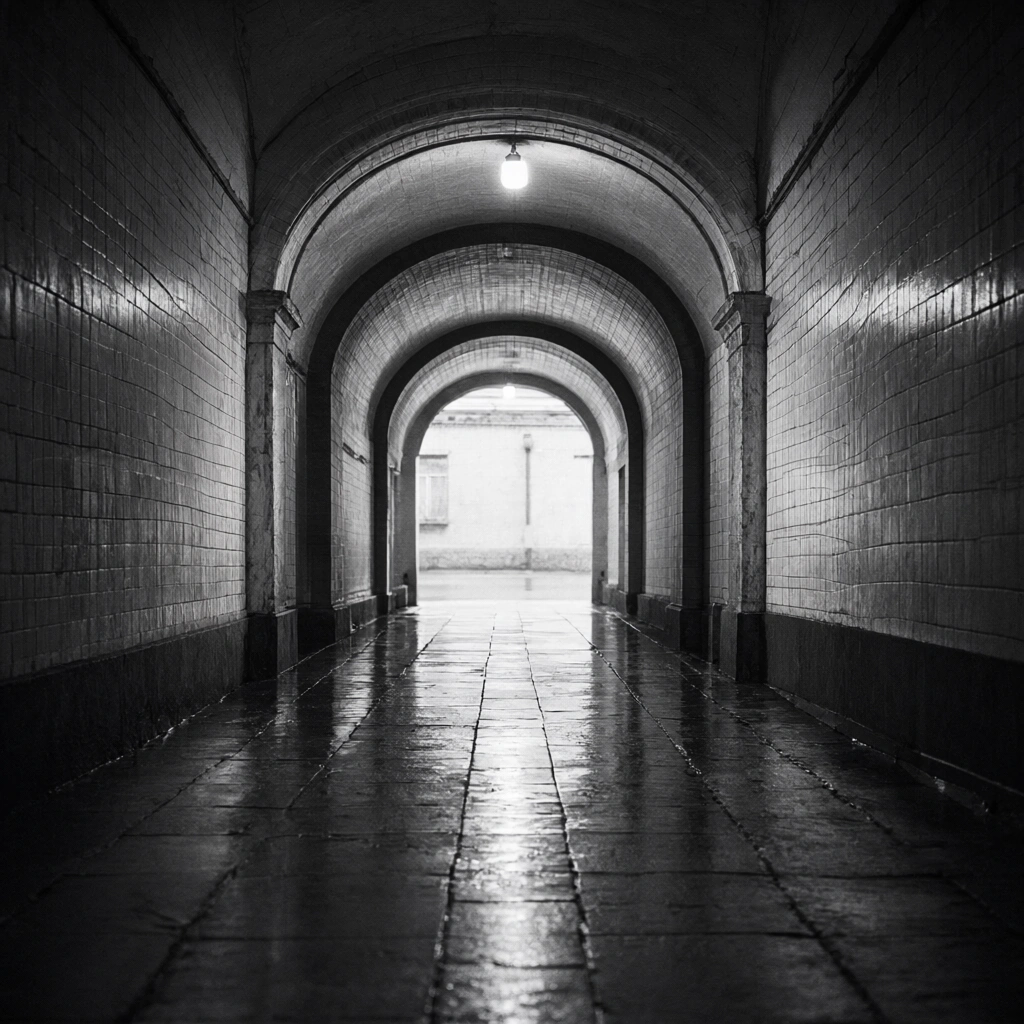 Qwen Image 2.1
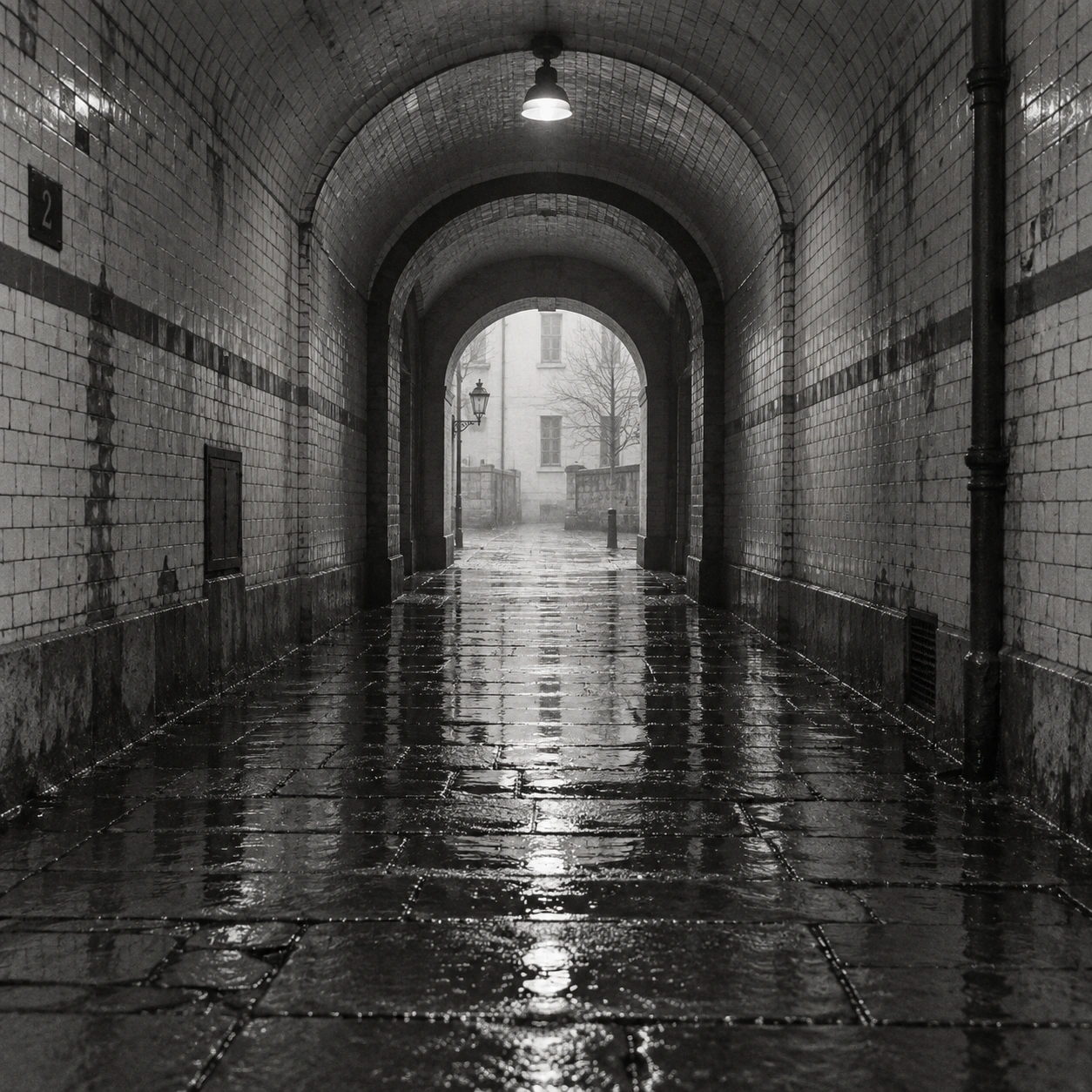 GPT Image 2.5
Reference details
- Reference ID
- 2853
- Category
- Photography
Reference prompts
Style prompt
Fine-grained black-and-white film photography makes a full gray scale feel tactile, from deep charcoal recesses through many silver midtones to small clean white highlights. Repeated curves and linear grids guide the eye toward a brighter center, while dark side masses create a soft vignette. Wet or reflective surfaces break light into elongated irregular streaks rather than mirror-perfect copies. The composition can approach symmetry but gains character from stains, chips, and small incidental interruptions. Tonal transitions remain smooth in broad areas and crisp around lit edges. Shadow retains readable texture instead of becoming a featureless void, and distant brightness softens slightly in damp air. The rhythm combines near horizontal reflection, converging side lines, and nested dark-to-light openings. The final image is calm, atmospheric, and quietly precise, with analog grain unifying hard surfaces and luminous moisture.Full example prompt
A black-and-white 35 mm film photograph looks straight through an old tiled pedestrian passage after rain. The vaulted ceiling and long brick-patterned side walls converge toward a series of nested arches at the far end. A single ceiling lamp hangs near the center, its small white glow repeated in the slick floor below. Beyond the final arch, a pale courtyard and a faint building wall are visible through a veil of damp light. The foreground pavement is wet and uneven, with long broken reflections stretching toward the viewer across individual stone slabs. The framing is nearly symmetrical, although surface stains, drainage marks, and small wall fixtures interrupt its perfect order. Deep charcoal shadows gather at the sides and within the arch recesses. The walls move through many silvery middle grays, allowing mortar lines and chipped tile edges to remain readable. Bright areas are concentrated at the exit, the lamp, and scattered floor highlights; they do not flatten the whole corridor. Fine film grain lends texture to the shaded planes, and mild softness in the distance suggests humid air. The photograph relies on tonal range rather than color or dramatic human action. Repeating curved openings, linear tile grids, and the glossy horizontal floor create a measured visual rhythm that pulls the eye through the passage. It feels quiet, damp, and expectant, as though the empty route has just been crossed by someone who is now out of sight.