
Styles
#2959
Denis Villeneuve style reference and prompts
Explore the “Denis Villeneuve” reference with atmospheric haze and central perspective. View the images, copy the style or example prompt, and discover related styles on Looksift.
Compare the Qwen Image 2.1 and GPT Image 2.5 examples, choose the visual qualities you want, and copy the style prompt for your own project.
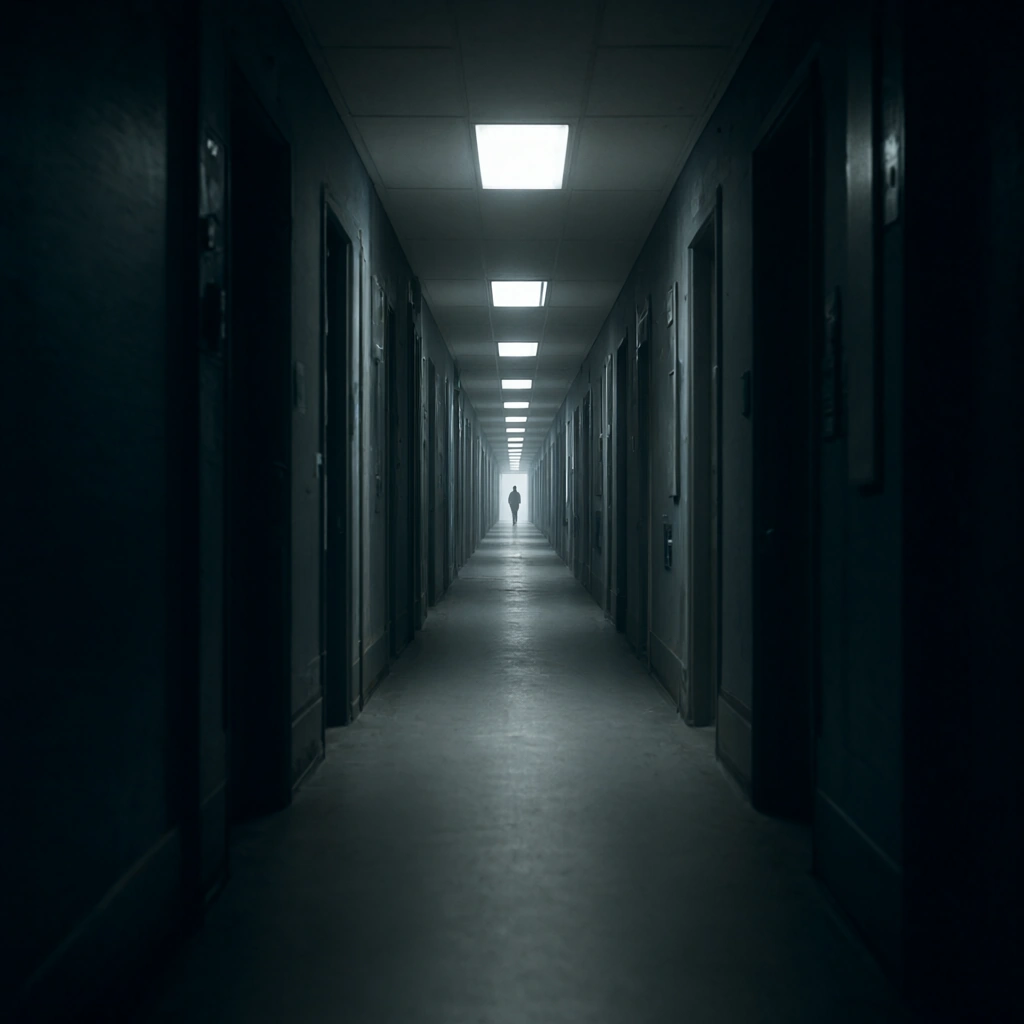 Qwen Image 2.1
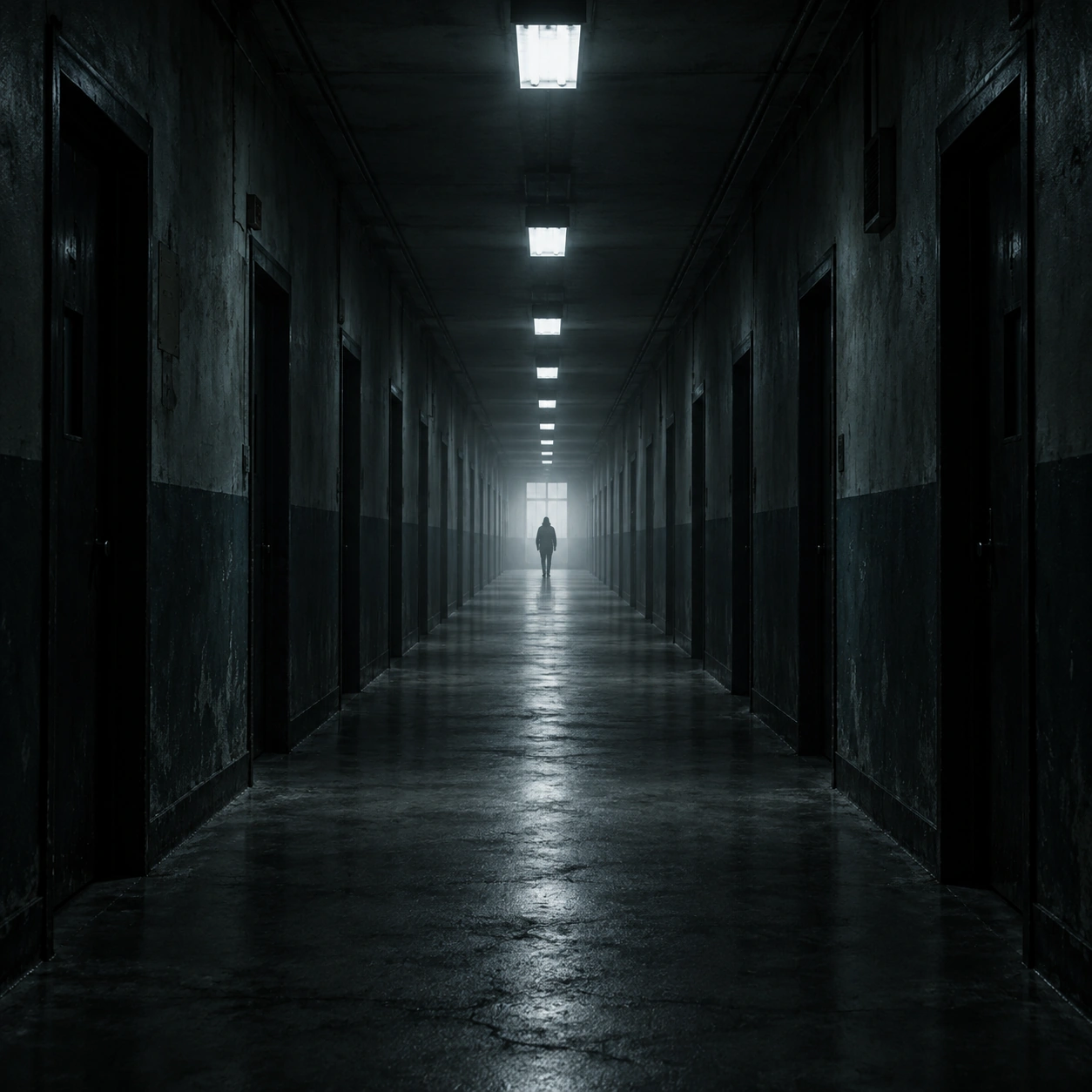 GPT Image 2.5
Reference details
- Reference ID
- 2959
- Category
- Photography
Reference prompts
Style prompt
The photographic style organizes space through deep central perspective, repeated narrow intervals, and large cool shadow masses. Blue-green black dominates the near field, fading toward silvery gray at a distant bright zone. Small overhead highlights form a measured rhythm, while adjacent recesses remain nearly opaque. Fine haze and restrained grain soften the far transition without weakening the long converging lines. Detail is sparse and placed where light meets an edge; the rest of the surface is smooth, dark, and atmospheric. A minute central interruption establishes scale inside an otherwise architectural field. The overall effect is monumental, quiet, and suspenseful, with depth made palpable by repetition and rapid light falloff.Full example prompt
This is a square, cinematic photographic scene of a solitary figure at the far end of a long, dim corridor. The passage stretches from the near left and right edges toward a narrow bright center, with dark wall panels and doorways repeating down both sides. Overhead, a line of pale rectangular ceiling lights recedes toward the figure, each successive glow smaller and cooler. The floor is gray, slightly reflective or hazy, and its muted texture continues into the distance without a sharp foreground object. Near the vanishing point, one upright silhouette stands alone, too far away to reveal clothing or facial features. The surrounding architecture is symmetrical enough to pull the eye inward, yet uneven patches of darkness make the space feel worn and uncertain. Deep blue-green black fills the closest wall surfaces, while the distant end of the passage carries a cold gray light. The light comes chiefly from the ceiling fixtures and the far opening, so the door recesses and lower wall edges remain almost black. A thin atmospheric haze softens the transition toward the center, allowing the figure to read as a small dark interruption in the pale distance. Lines along the ceiling and floor converge strongly, making length and emptiness more prominent than decoration. No signs or words are legible. The image has a restrained grain and little bright color. The overall composition is severe and suspenseful, balancing strict central perspective against a large envelope of cool darkness.