
Styles
#3418
Adolph Menzel style reference and prompts
Explore the “Adolph Menzel” reference with small highlights on glass rims, asymmetric composition, and sepia tones. View the images, copy the style or example prompt, and discover related styles on Looksift.
Compare the Qwen Image 2.1 and GPT Image 2.5 examples, choose the visual qualities you want, and copy the style prompt for your own project.
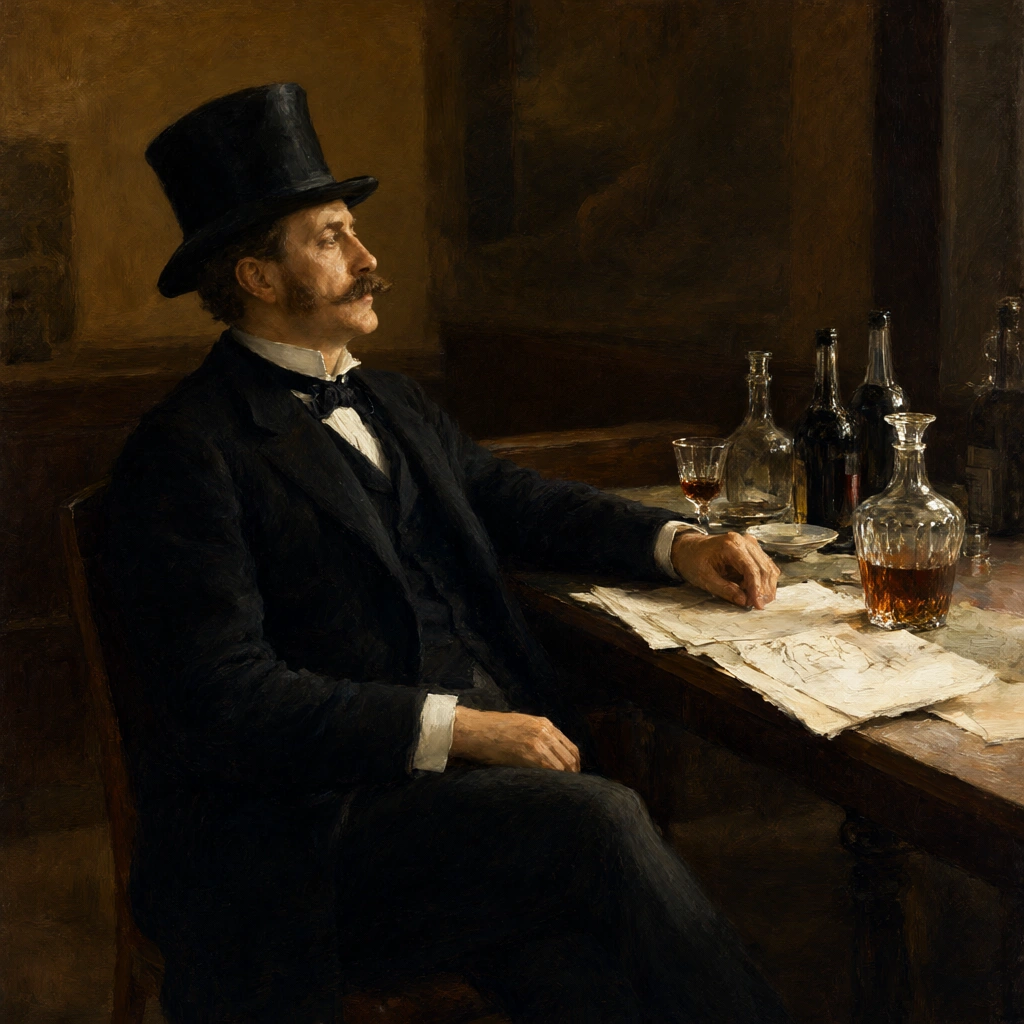 Qwen Image 2.1
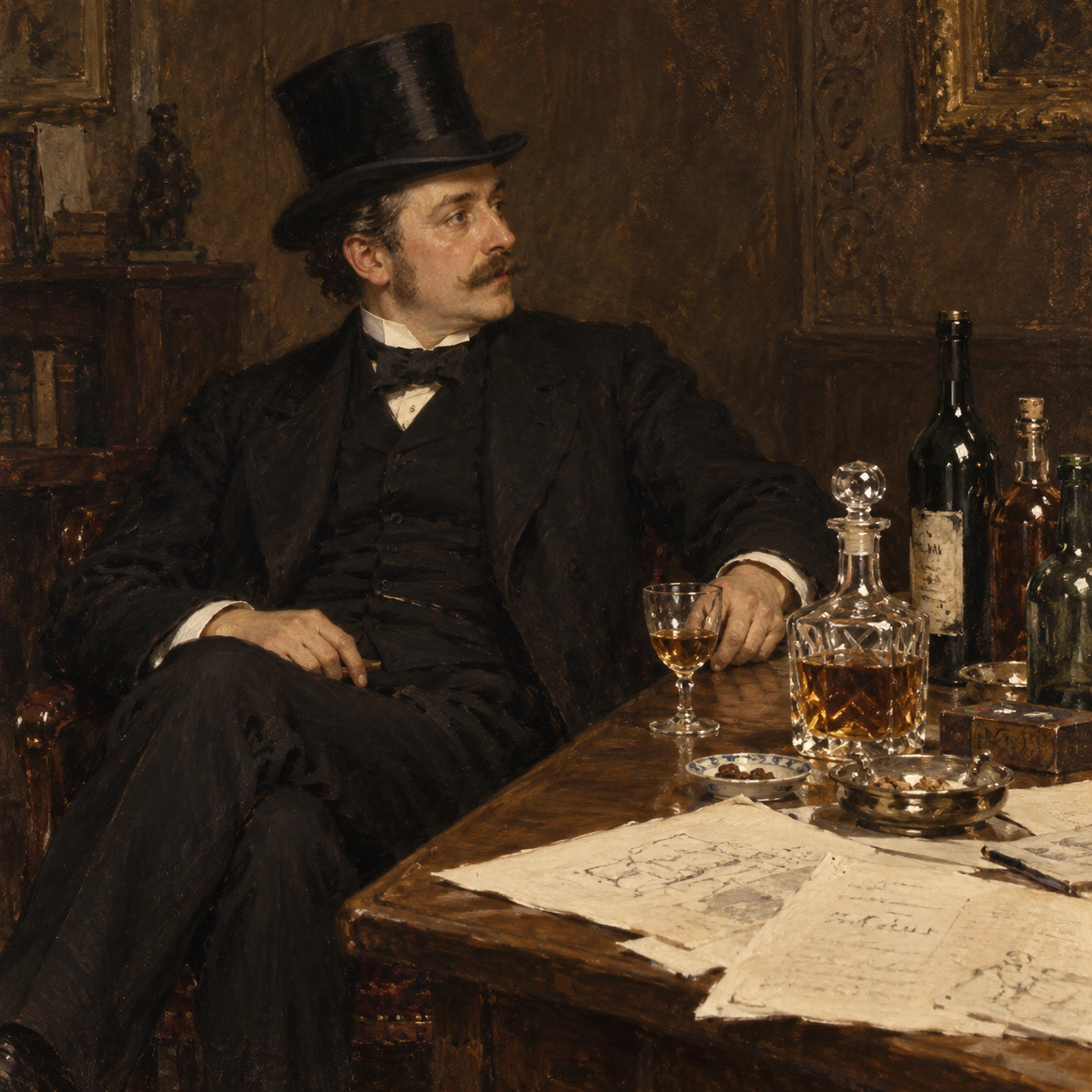 GPT Image 2.5
Reference details
- Reference ID
- 3418
- Category
- Painting
Reference prompts
Style prompt
The observational oil-painting treatment uses warm umber, tobacco brown, charcoal, cream, and small amber highlights. A large dark mass merges into a shadowed room, while a diagonal light-toned surface carries scattered translucent and matte objects. Brushwork stays loose and confident: broad scumbles describe walls and cloth, with small sharp touches reserved for glass rims, hands, and bright paper edges. Chiaroscuro is gentle but deep, allowing details to emerge gradually from brown shadow. Cropping feels informal, as if a social moment were noticed mid-conversation. The finish is tactile and slightly rough rather than polished; composition relies on asymmetrical balance between seated weight and a lively cluster of tabletop reflections.Full example prompt
A square nineteenth-century oil painting shows a seated middle-aged man in a dark room, occupying the left and center. He wears a tall black top hat, black suit, white collar, and small dark bow tie. His neatly curved mustache and short sideburns frame a pale face turned toward the right, as if listening to someone outside the selected view. He leans back with one leg crossed, one hand resting near his lap and the other on the table. The table runs diagonally across the foreground from lower left toward mid-right and carries a clear glass decanter filled with amber liquid, bottles of different heights, a stemmed glass, small dishes, and loose white papers. Several bottles cluster near the man's right hand, their narrow necks and reflections catching small highlights. The papers spread over the table's near edge and show indistinct drawn or written marks, none reliably readable. Behind him, the brown wall carries faint decorative carving and shadowy furniture. The space feels intimate and lived-in rather than formally staged. Warm light falls from the right/front, striking his face, hands, the glassware, and the cream papers while his suit and the room retain deep umber and charcoal tones. Brushwork is loose and visibly textured: dark clothing merges into broad painted shadow, while glass rims and fingertips are marked with small confident strokes. The composition is asymmetric, with the large dark figure at left balanced by the brighter tabletop objects at right. The tilted table and scattered materials add casual movement to an otherwise still pose. No other person is visible within the selected panel. The painting's interest lies in natural social observation, rich brown atmosphere, and the play of translucent glass against matte fabric and paper.