
Styles
#3694
Pyotr Konchalovsky style reference and prompts
Explore the “Pyotr Konchalovsky” reference with thick paint texture, tactile surfaces, and warm color tones. View the images, copy the style or example prompt, and discover related styles on Looksift.
Compare the Qwen Image 2.1 and GPT Image 2.5 examples, choose the visual qualities you want, and copy the style prompt for your own project.
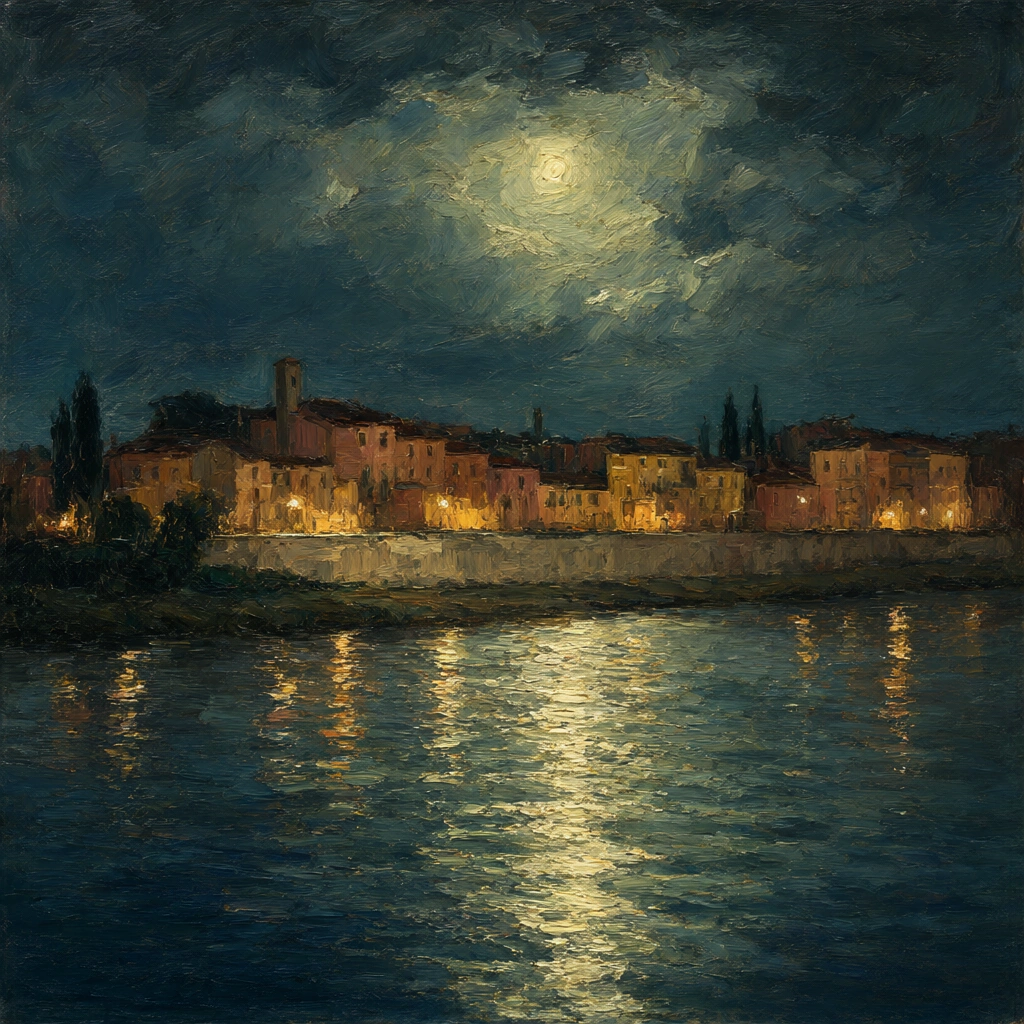 Qwen Image 2.1
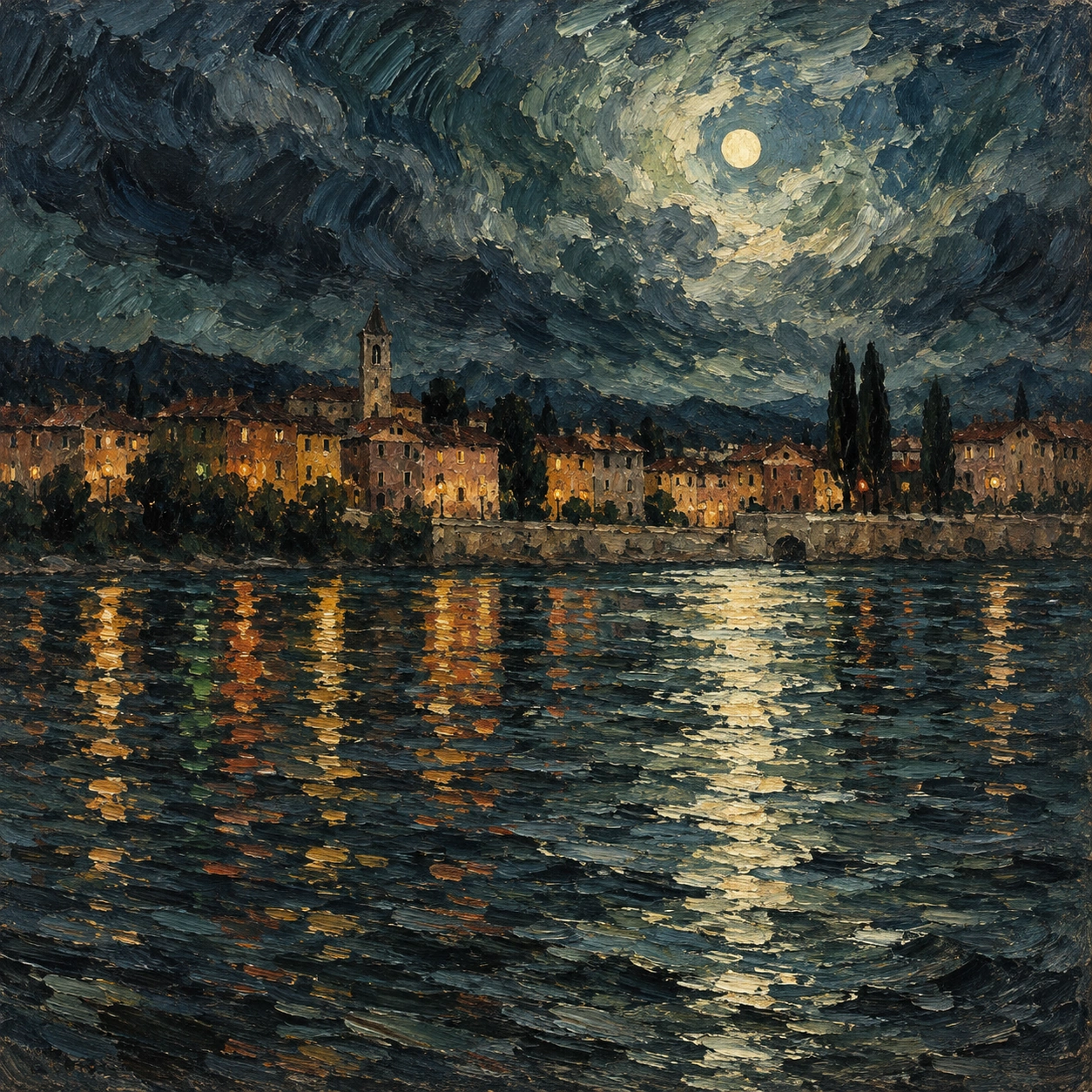 GPT Image 2.5
Reference details
- Reference ID
- 3694
- Category
- Painting
Reference prompts
Style prompt
Expressive oil painting organizes deep teal, slate, and charcoal into broad atmospheric masses, then breaks them with warm ochre, rust, pale cream, and yellow-green light. Short curved strokes gather around a softly luminous upper opening, while loose horizontal marks and broken vertical glints animate a darker lower field. A stable middle band of blocky shapes separates agitated sky from reflective surface, giving the composition calm structure despite active brushwork. Edges soften in shadow and sharpen only where selective warm highlights catch. Thick paint, scraping, and overlapping directional strokes remain visible throughout; no area feels digitally smooth. Illumination is diffuse and stormy, with a narrow broken bright path rather than even exposure. Small dark upright accents punctuate the middle and reinforce depth. The surface alternates dense opaque passages with thin rubbed undertones, allowing light to appear embedded in the paint. The overall effect is moody, tactile, and luminous, with restrained color contrast inside a predominantly cool nocturnal field.Full example prompt
An expressive oil landscape shows an old riverside town beneath turbulent moonlit clouds. The town stretches in a low band across the middle distance, its warm ochre and rose-brown facades interrupted by a narrow tower and a few dark upright trees. A pale stone embankment separates the buildings from the broad water in the foreground. The river occupies nearly the lower half of the painting and breaks the town's lights into irregular vertical fragments of gold, green, rust, and cream. Above, dark blue-green clouds swirl around a soft pale moon high slightly right of center. The moon is a tiny source within a much larger luminous opening, with pale yellow and gray-green paint sweeping outward in short curved strokes. Buildings are defined by blocks and small dark window marks rather than precise line drawing. Thick, brisk oil strokes move horizontally in the water, then turn and overlap around the sky; scraped lighter paint catches the ridges of the surface. The palette is mostly deep teal, slate, and charcoal, kept alive by warm yellow-lit walls and reflections. Light has a diffuse, stormy quality: the brightest path falls down the water below the moon, while shore and trees remain dense and dark. The stable horizontal town band holds the composition between an agitated sky and lively reflective foreground. Each area retains visible brushwork, making the night feel worked and physical rather than smooth or photographic. The scene is quiet in subject but restless in weather and paint.