
Styles
#4185
Georg Baselitz style reference and prompts
Explore the “Georg Baselitz” reference with thick paint texture, scratch-like marks, and close cropping. View the images, copy the style or example prompt, and discover related styles on Looksift.
Compare the Qwen Image 2.1 and GPT Image 2.5 examples, choose the visual qualities you want, and copy the style prompt for your own project.
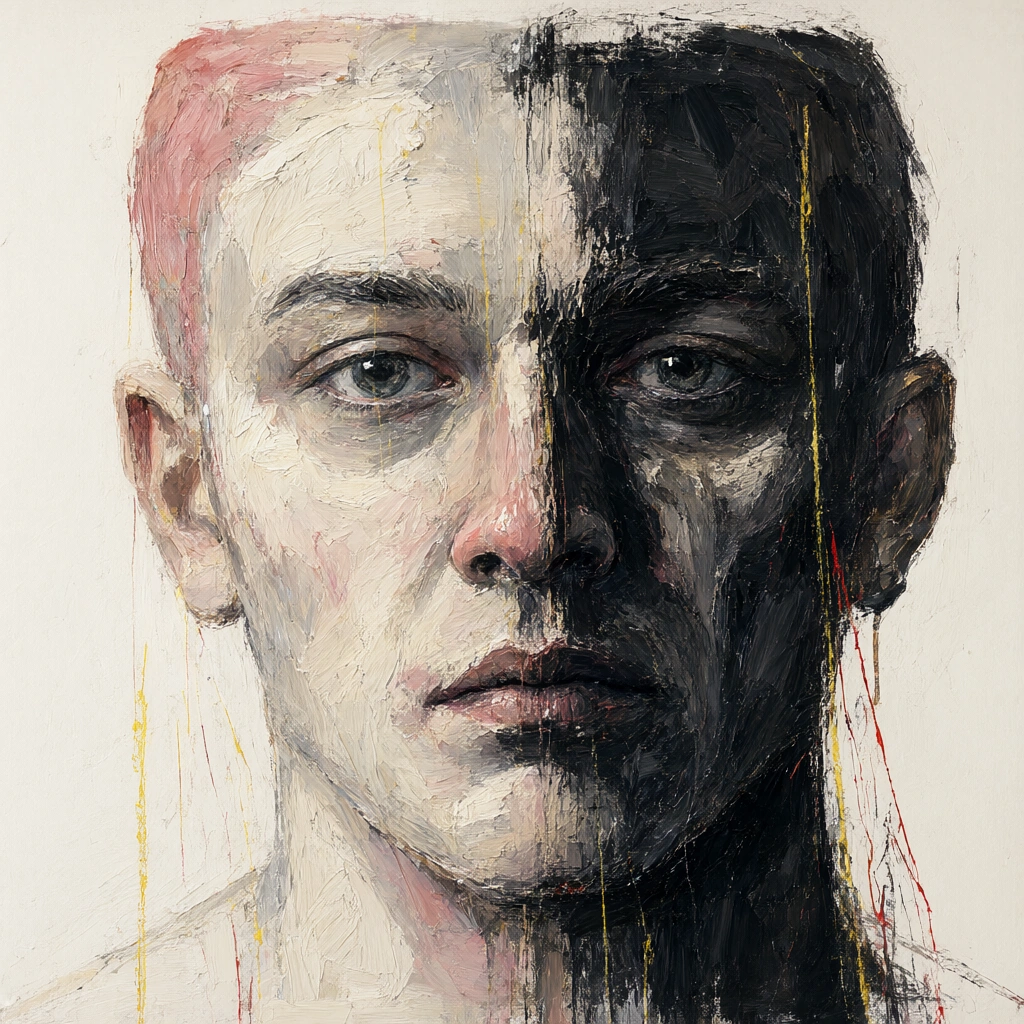 Qwen Image 2.1
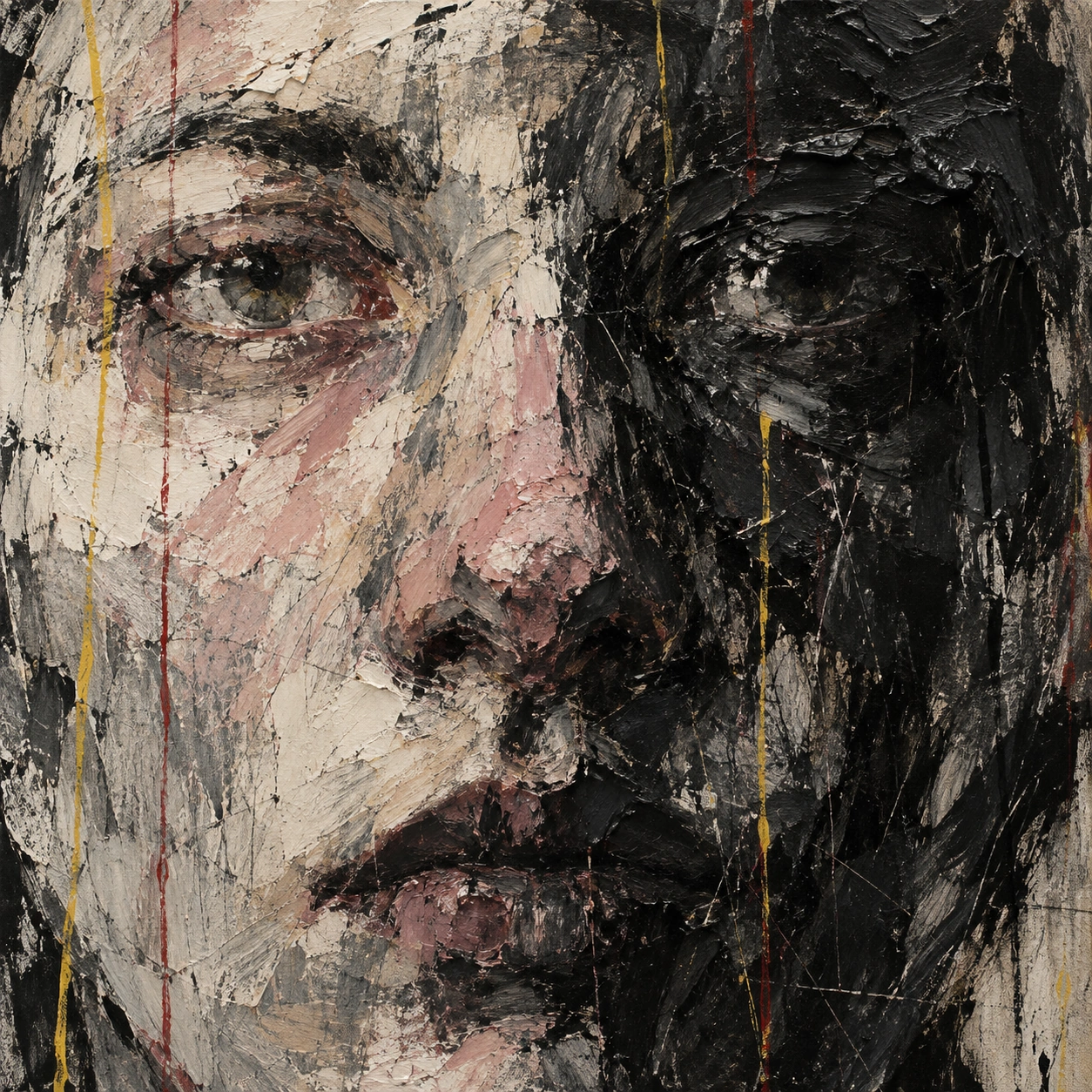 GPT Image 2.5
Reference details
- Reference ID
- 4185
- Category
- Painting
Reference prompts
Style prompt
The style is aggressive expressionist painting with large close-cropped forms, scraped layers and heavy impasto. Broad opaque strokes collide with thin exposed ground and exploratory lines. A restricted palette of dirty ivory, charcoal, warm gray, bruised pink and occasional yellow makes surface pressure visible. Edges fragment and focal details shift between clarity and near-erasure. Vertical drips, scratches and previous marks remain legible as process. The tight square crop gives the unstable image psychological immediacy.Full example prompt
A square expressionist painting pushes a large face almost against the frame. Its left half is built from scraped ivory, bruised pink and gray paint; the right half is swallowed by broad black strokes and dark graphite marks. One eye on each side remains legible, but the two are rendered with different degrees of clarity and seem to belong to shifting planes. The nose is a knot of rosy and charcoal pigment, and the lips are dark, compressed and partly obscured. The head extends past the upper and side edges, leaving no stable background or comfortable distance. Thin yellow and red lines run vertically across the image like accidental drips or traces of an earlier drawing. Heavy impasto gathers around the dark eye and cheek, while lighter passages have been dragged thin enough to expose the ground below. The image is recognizably a portrait, yet its construction keeps breaking that recognition apart. Colors are restricted to white, warm gray, black, flesh pink and scattered yellow, so texture becomes more important than hue. The gaze has psychological pressure because it persists through the damaged surface. The composition feels raw, unsettled and handmade, as though repeated painting and scraping have left several versions of the face visible at once.