
Styles
#0224
Glitchy style reference and prompts
Explore the “Glitchy” reference with scanline effects and smooth tonal modeling. View the images, copy the style or example prompt, and discover related styles on Looksift.
Compare the Qwen Image 2.1 and GPT Image 2.5 examples, choose the visual qualities you want, and copy the style prompt for your own project.
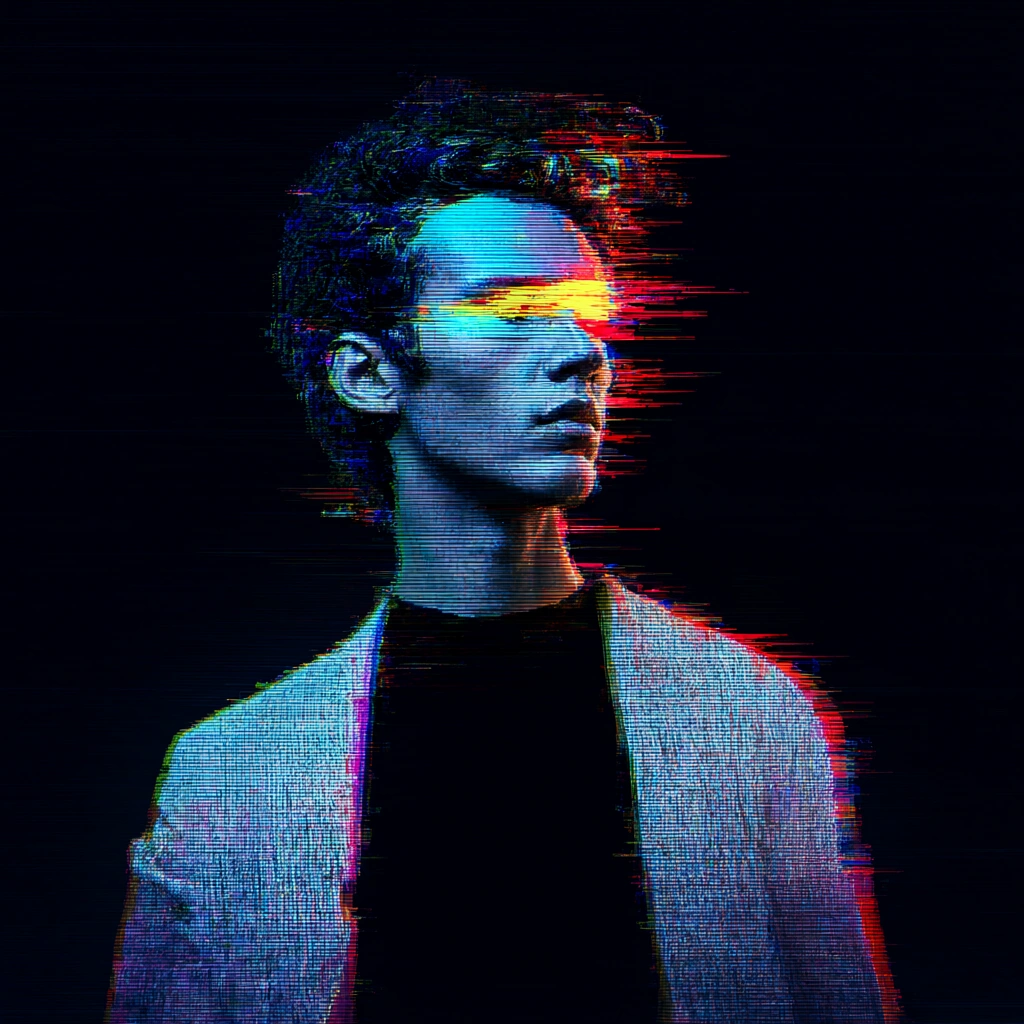 Qwen Image 2.1
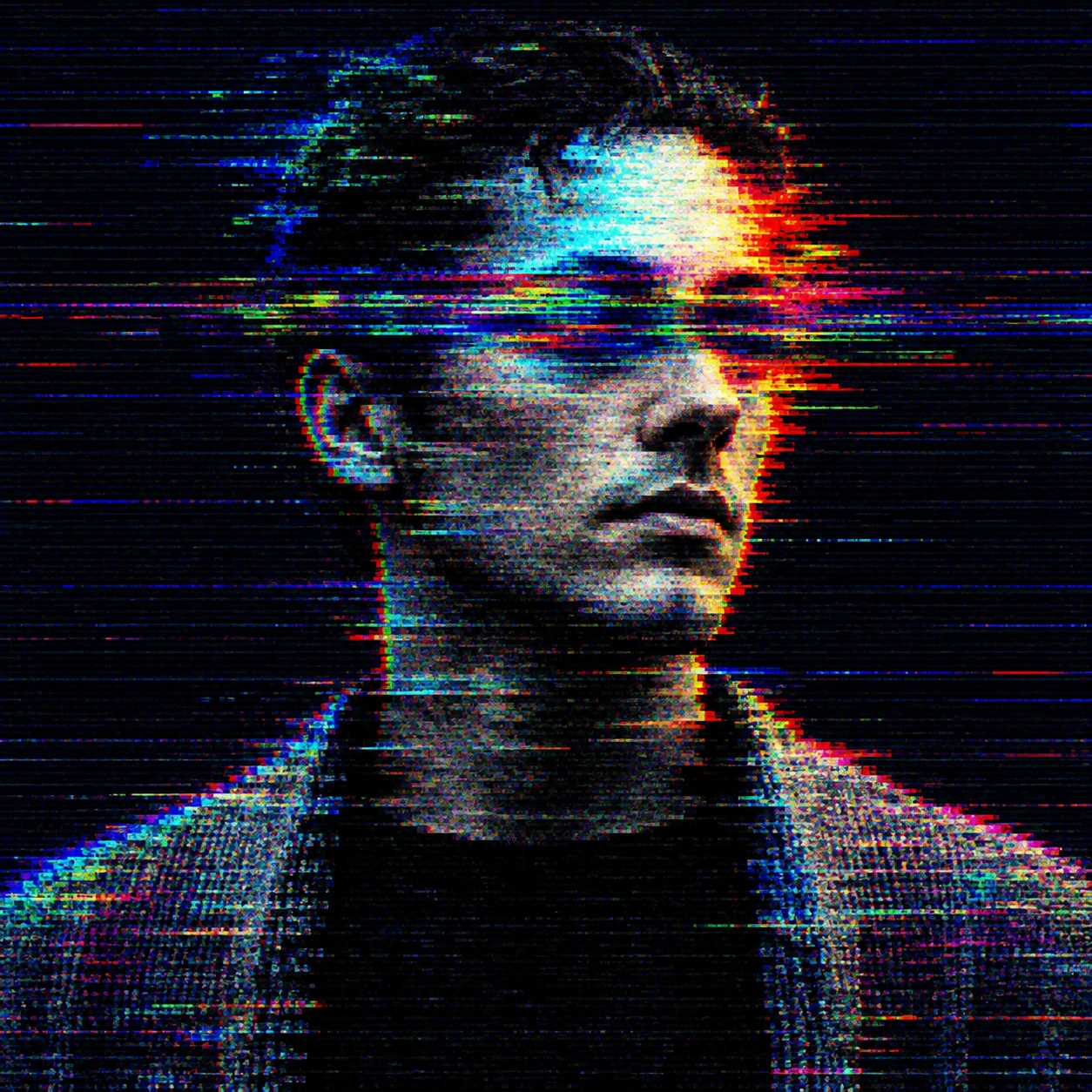 GPT Image 2.5
Reference details
- Reference ID
- 0224
- Category
- Collage & mixed media
Reference prompts
Style prompt
The digital image is built from horizontal scanlines, displaced color channels, and abrupt bands of electronic interference. A near-black base occupies most of the frame; cyan, acid green, red-orange, and occasional yellow flare in localized fragments. Recognizable volume remains under the distortion, but key edges split into offset copies or smear sideways. Fine pixel noise and coarse glitch blocks create two different texture scales. Luminous color seems self-emitting and fades sharply into the dark field, without a natural cast-shadow system. The overall treatment is fractured, tense, and synthetic, with horizontal rhythm more important than smooth modeling.Full example prompt
A square digital glitch image shows the head and shoulders of an adult figure emerging from almost black space. The background is a deep blue-black field crossed by faint horizontal scanlines, with no visible room or landscape. The figure faces slightly to the right, but the exact gaze is obscured by a dense band of displaced color across the eyes. Short dark hair or a textured crown breaks into blue and green streaks near the upper left. A bright cyan patch touches the forehead, while red-orange and yellow shifts flare along the upper right side of the face. The nose, mouth, jaw, and neck remain partly legible beneath the interference, though their edges fragment into offset copies and narrow horizontal smears. The shoulders and upper garment occupy the lower third, carrying muted cyan, magenta, and pale woven texture around a broad black central torso. Several stronger stripes cut through the face and hair as though a video signal has slipped sideways; thinner lines fill the surrounding dark field. Color channels separate at many edges, leaving small blue, red, and green fringes where a single contour would normally be. Light appears to come from the image's electronic color itself, concentrated on the forehead, cheek, and garment edges rather than from a plausible external lamp. The black field absorbs most detail and gives the broken luminous face strong focus. The surface mixes coarse pixel noise with fine scanline rhythm, so the portrait is both recognizable and unstable. The overall composition holds a frontal human form in broad darkness while horizontal chromatic interruptions carry a tense, artificial energy.