
Styles
#0489
Leon Bonnat style reference and prompts
Explore the “Leon Bonnat” reference with smooth tonal modeling, negative space, and pale neutral tones. View the images, copy the style or example prompt, and discover related styles on Looksift.
Compare the Qwen Image 2.1 and GPT Image 2.5 examples, choose the visual qualities you want, and copy the style prompt for your own project.
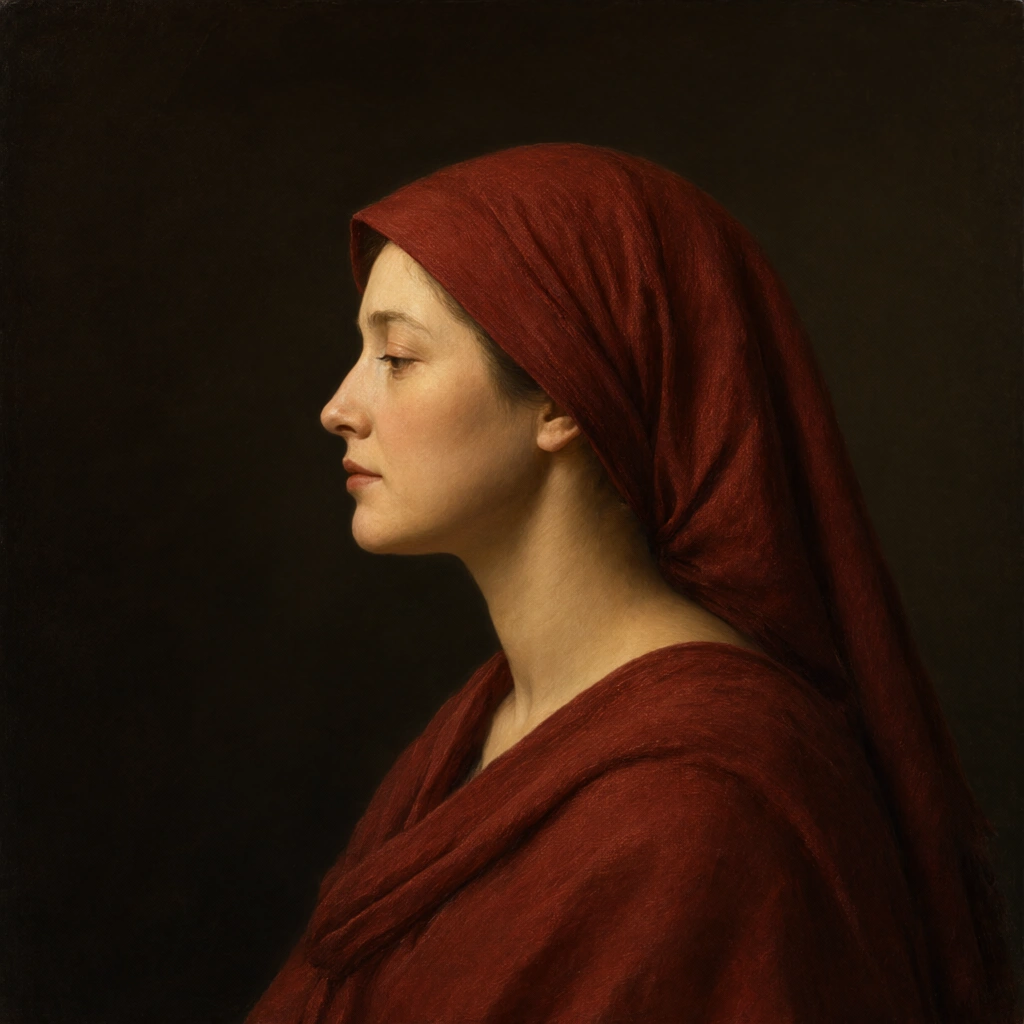 Qwen Image 2.1
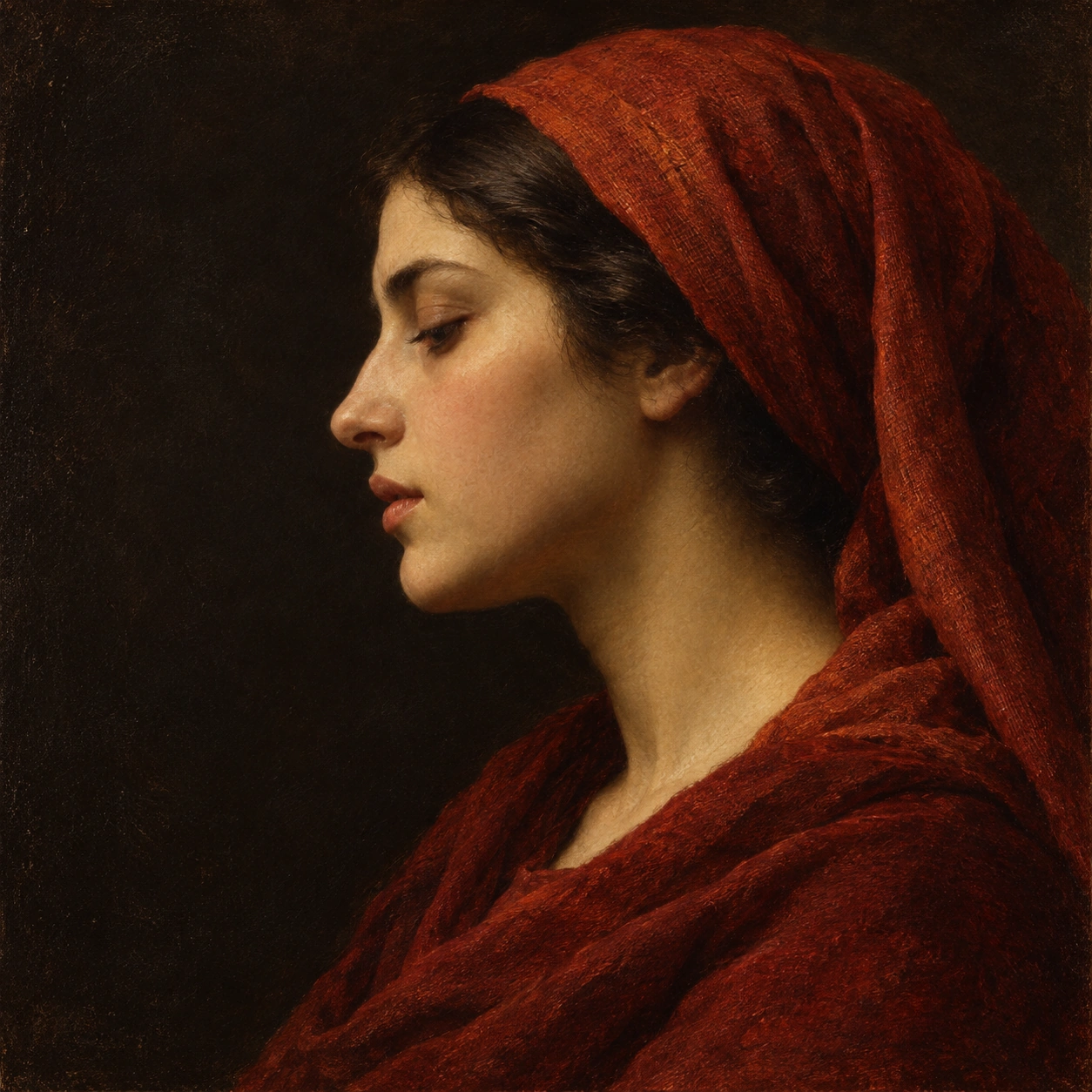 GPT Image 2.5
Reference details
- Reference ID
- 0489
- Category
- Painting
Reference prompts
Style prompt
Academic realist oil painting develops a warm illuminated form from a nearly black umber ground. Carefully blended ivory, muted rose, and olive-brown half-tones model rounded transitions, while dark russet, brick red, and maroon masses supply a rich secondary color body. The brightest light is restrained and directional, grazing a high edge before falling gradually into deep shadow. One clean profilelike contour gains clarity against generous dark negative space, while receding edges and heavy folded surfaces soften into the background. Fine canvas grain and understated brush marks remain within the smooth modeling; woven texture appears only in selected darker passages. The composition is sparse, with two joined warm masses occupying one side and unbroken dark space balancing them. Its visual rhythm is slow and dignified, carried by subtle value steps, fabric weight, and controlled edge transitions.Full example prompt
A late nineteenth-century realist oil portrait shows a woman from the shoulders up in a clear left-facing profile. A deep russet-red headscarf covers her hair and falls in long weighty folds behind the neck; a matching dark red wrap crosses the lower shoulder. Her face is softly lit from the upper left, revealing the straight bridge of the nose, slightly parted lips, and the warm transition from cheek to jaw. Her eyelid is lowered and her expression remains quiet and inward. A narrow strip of dark hair is visible beneath the scarf at the forehead and ear. The figure emerges from a nearly black brown background with no objects or architecture, leaving an ample dark field to the left of her face. The light is directional but gentle: it warms the forehead, cheekbone, nose, and front of the neck, then drops gradually into umber shadow beneath the jaw and along the far side. The red textile is not a flat accent; it carries many low-value changes from brick and vermilion to deep maroon, with fine woven grain and broad heavy folds. Skin is carefully blended with warm ivory, muted rose, and olive-brown half-tones, while edges of the neck and drapery become softer as they recede. The profile contour is precise against the dark space, giving the face sculptural clarity without sharp theatrical highlights. The composition is spare and balanced, placing the illuminated face and red cloth as two connected warm masses against a continuous shadow. It feels attentive and dignified, allowing subtle expression, fabric weight, and measured light to carry the entire image.