
Styles
#1039
Stanley Greene style reference and prompts
Explore the “Stanley Greene” reference with silhouette shapes and a monochrome palette. View the images, copy the style or example prompt, and discover related styles on Looksift.
Compare the Qwen Image 2.1 and GPT Image 2.5 examples, choose the visual qualities you want, and copy the style prompt for your own project.
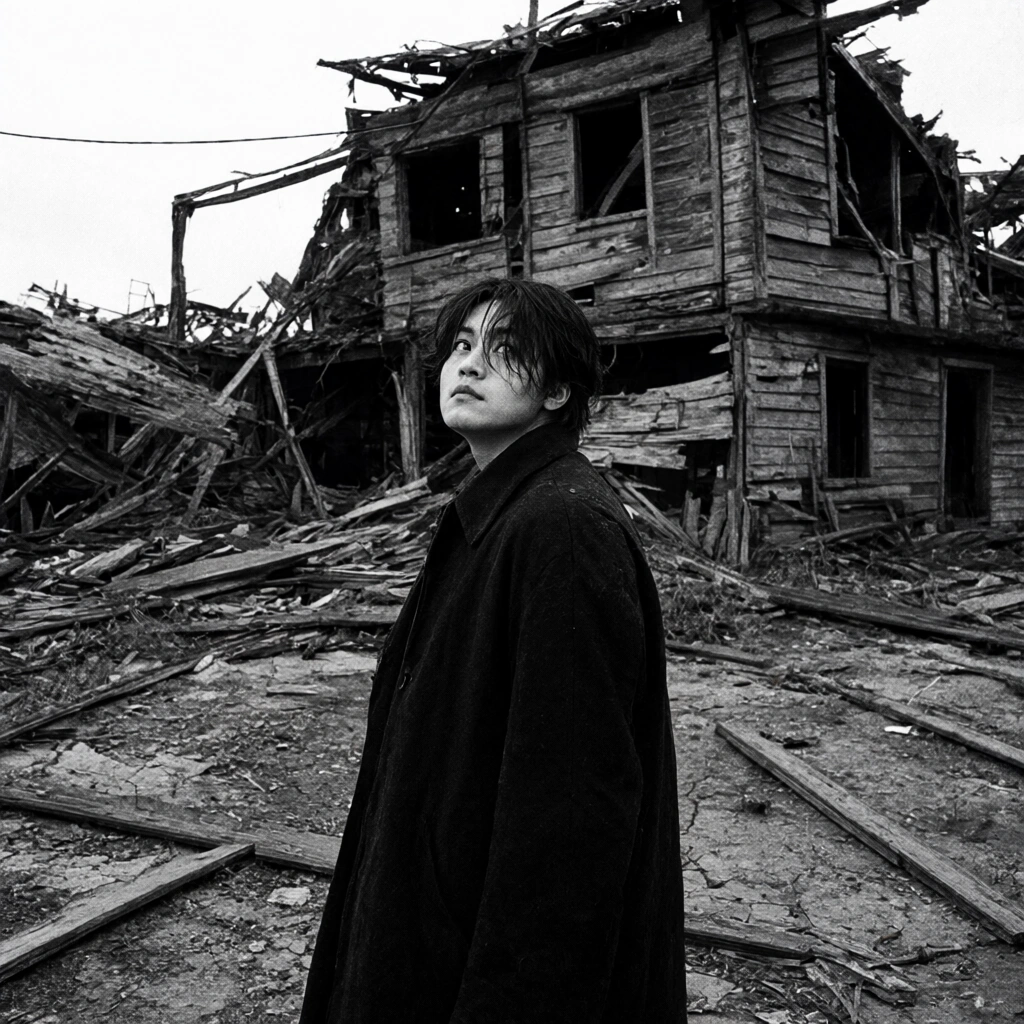 Qwen Image 2.1
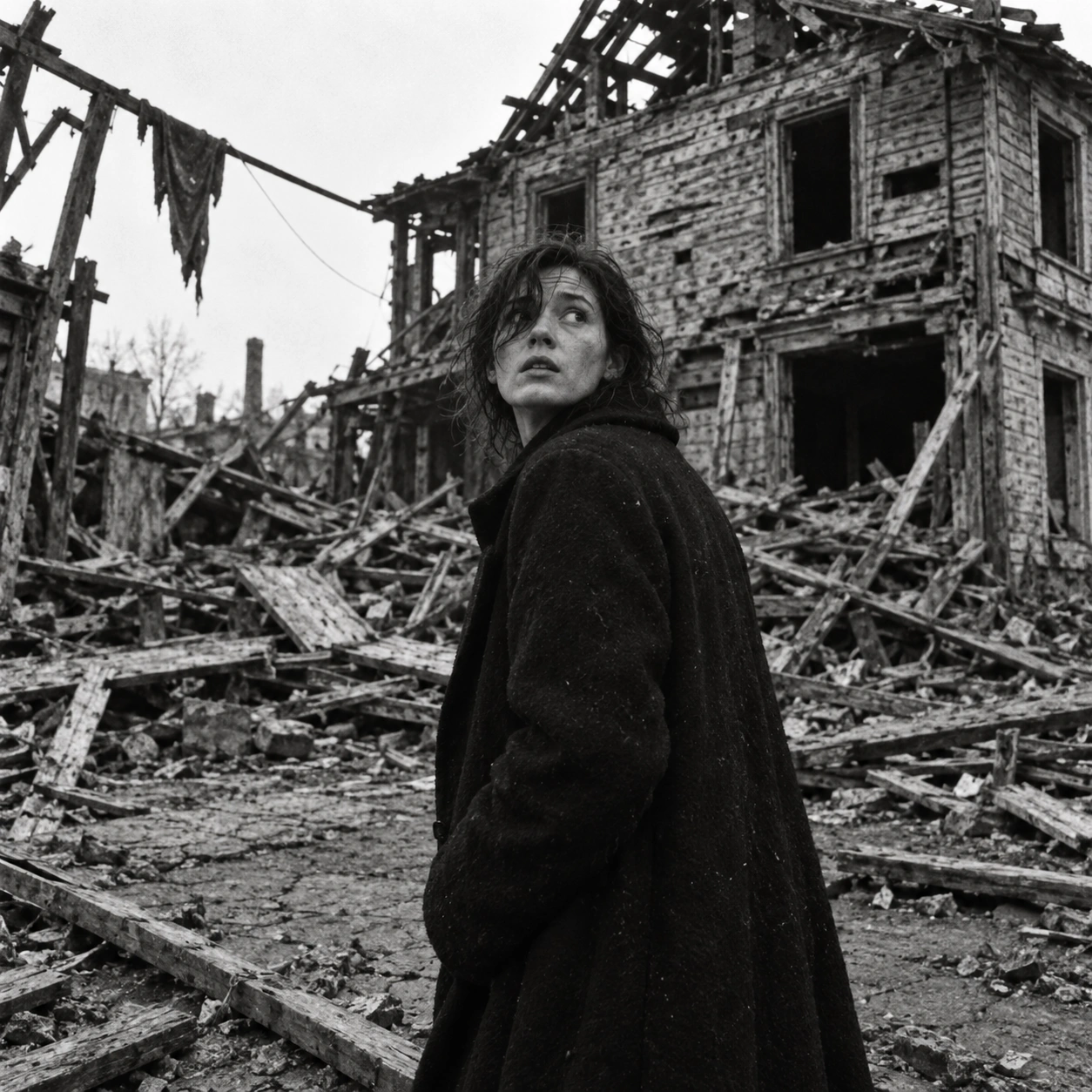 GPT Image 2.5
Reference details
- Reference ID
- 1039
- Category
- Photography
Reference prompts
Style prompt
Black-and-white documentary photography uses rough grain, deep shadow, and a pale overcast sky to keep difficult surface detail readable. Fine broken lines and jagged diagonals fill much of the frame, while a smoother high-value focal plane offers a place for the eye to rest. Mid-gray textures remain present rather than being crushed into uniform black; the darkest passages mark gaps, openings, and close fabric folds. Light is diffuse from above, producing few hard cast shadows but strong silhouette separation. The framing is close enough for an intimate focal point yet wide enough to retain environmental context. Slightly imperfect focus and tonal unevenness lend immediacy to the image. The composition does not tidy away disorder; it organizes it through one clear face-level accent and contrasting lines of sight. The overall effect is stark, urgent, and humane, with material damage and human presence sharing the same visual weight.Full example prompt
A square black-and-white documentary photograph shows a dark-haired person standing amid the wreckage of a damaged wooden building. The person occupies the lower center and right, wearing a long dark coat that merges into the deepest tones of the frame. Their head turns back and upward toward the left, with strands of uncombed hair partly covering the forehead and eye. The pale face is clear against the darker coat and rough background, giving the expression a startled, searching quality. Behind them, a two-story timber building fills the upper right. Its siding is scarred and uneven, window openings are dark and empty, and a damaged roof structure exposes beams near the top. At the upper left, broken supports and a drooping sheet or cable cut across a bright white sky. The middle ground is littered with splintered boards, collapsed planks, and other debris around the building. In the foreground, cracked ground and scattered long pieces of wood run diagonally toward the lower edges. The camera is at about the person's height, but wide framing gives the ruined setting substantial presence. Flat overcast light brightens the sky and the face, while deep blacks define openings, coat folds, and debris gaps. Grain and slightly rough focus make the photograph feel immediate rather than polished. The composition holds the person against a complex field of broken diagonal lines; the relatively smooth face becomes the visual anchor among the damage. No readable writing appears on the walls or debris. The overall image is stark and unsettled, using monochrome tonal contrast and close human scale to make a devastated place feel personal.