
Styles
#1380
Elger Esser style reference and prompts
Explore the “Elger Esser” reference with broken brushwork, tactile surfaces, and earth tones. View the images, copy the style or example prompt, and discover related styles on Looksift.
Compare the Qwen Image 2.1 and GPT Image 2.5 examples, choose the visual qualities you want, and copy the style prompt for your own project.
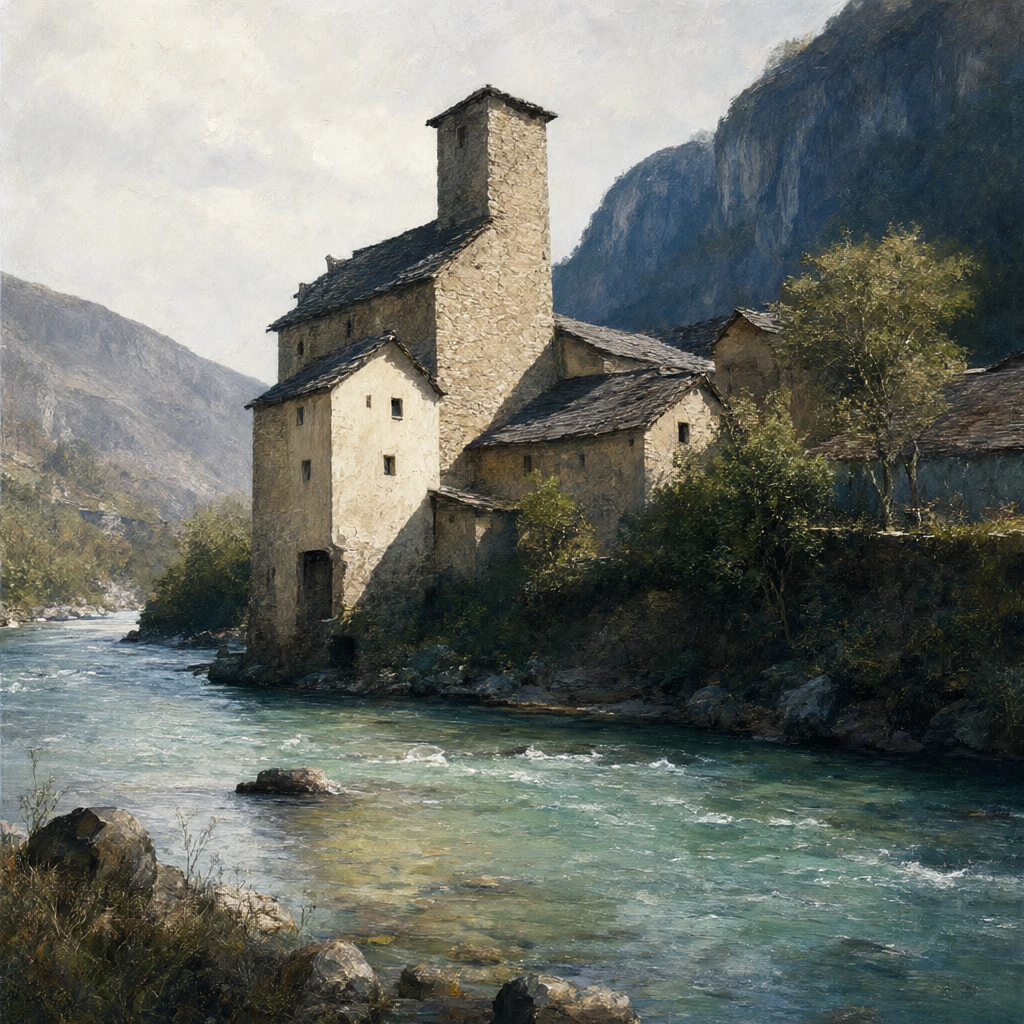 Qwen Image 2.1
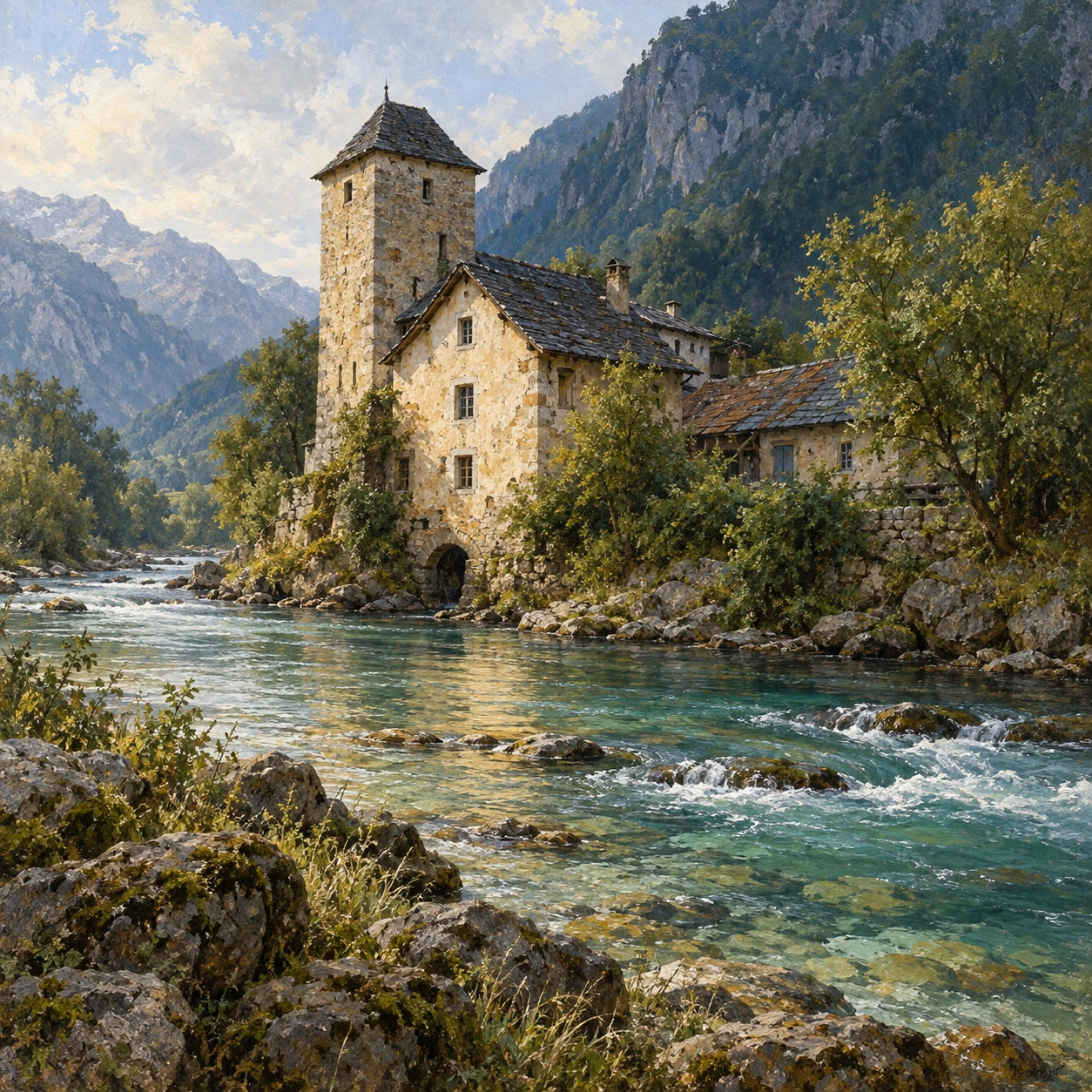 GPT Image 2.5
Reference details
- Reference ID
- 1380
- Category
- Painting
Reference prompts
Style prompt
The painterly image uses softly broken brush marks to build recognizable forms within a cool, muted atmosphere. Blue-green, slate, pale cream, and earth brown are separated into broad masses, then enlivened by small warm accents and fine irregular texture. Firm vertical and pitched shapes give the composition structure; flowing lighter bands and irregular dark foreground marks soften that geometry. Edges are clearest around the focal middle area and gradually lose contrast in the distance. Diffuse daylight creates gentle light-facing planes and cool shaded recesses without theatrical beams or hard cast shadows. Thin strokes, rubbed transitions, and slight grain make solid and reflective surfaces feel hand-worked. The overall effect is contemplative and tactile, with atmospheric depth and a balanced warm-cool palette guiding attention.Full example prompt
A square painterly landscape shows an old stone house beside a clear mountain river, under a pale clouded sky. The main building stands left of center, with a tall square tower, a steep dark roof, and a smaller front gable whose cream wall contains a few tiny windows. A narrow arched opening darkens the base near the water. Lower connected structures recede to the right, their slate, brown, and faded blue roofs overlapping beneath the mountain. Beyond them, a deep blue-green cliff rises along the upper right, while a more distant gray slope opens on the left. The buildings are surrounded by small trees and shrubs; near the right bank, a larger leafy canopy partially hides the low roof. The river curves across the foreground from the lower right toward the left middle distance. Its turquoise and pale green current is broken by flat rocks, thin white ripples, and warmer reflections from the bank. In the lower corners, dark stones, grasses, and uneven brush marks anchor the viewer on the near shore. The house walls show rough sandy stone, subtle cracks, and irregular patches of shadow, while the roofs are made from short dark strokes and softened edges. No figures or readable signs interrupt the scene. The viewpoint is low across the water, so the tower rises as the main vertical form but remains contained within the valley. Diffuse daylight falls from the pale upper left, catching the front wall and shallow water while the background cliff and near rocks stay cooler and darker. Fine painterly grain and broken strokes make the surfaces tactile without obscuring their clear shapes. The overall composition is calm and slightly nostalgic, balancing the solid warm structure against cool flowing water and the enclosing mountain.