
Styles
#1418
William Heath Robinson style reference and prompts
Explore the “William Heath Robinson” reference with paper texture, simplified forms, and warm color tones. View the images, copy the style or example prompt, and discover related styles on Looksift.
Compare the Qwen Image 2.1 and GPT Image 2.5 examples, choose the visual qualities you want, and copy the style prompt for your own project.
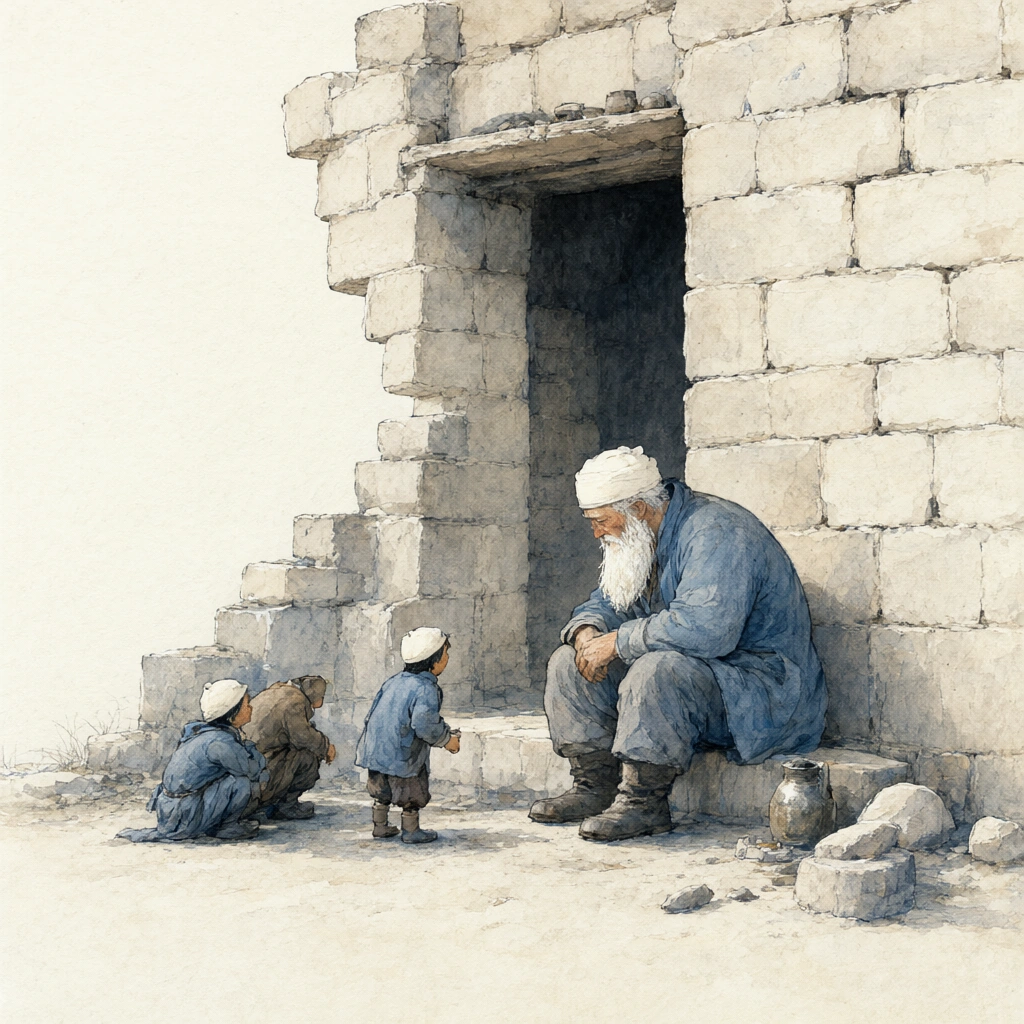 Qwen Image 2.1
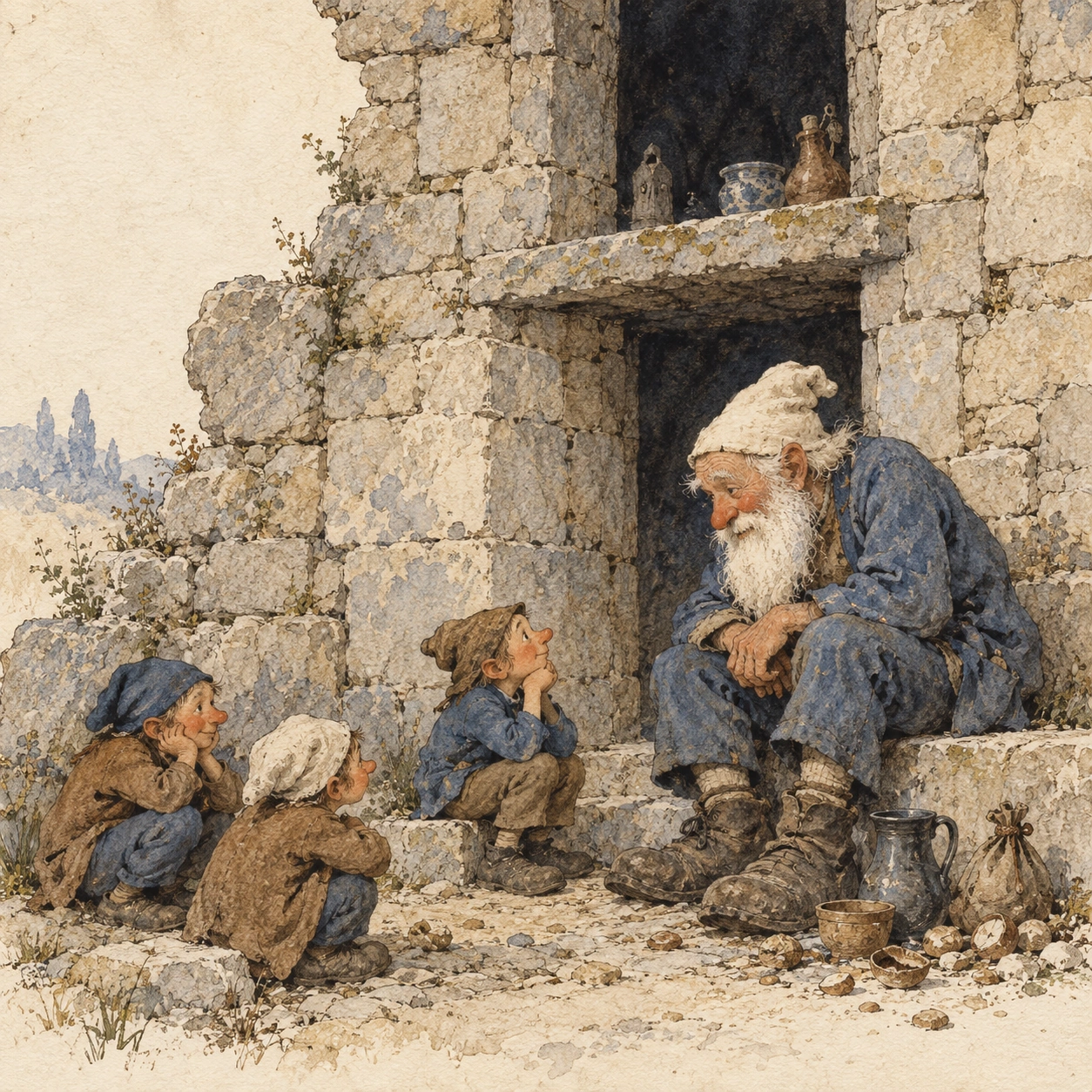 GPT Image 2.5
Reference details
- Reference ID
- 1418
- Category
- Ink & line
Reference prompts
Style prompt
The storybook image is built from fine brown-gray pen contours under thin, translucent watercolor washes. Irregular hand-drawn lines describe joints, chips, and tiny surface changes, while pale pigment lets warm paper grain remain visible. Muted beige, stone gray, dusty blue, and small warm ochre notes form a quiet palette; the darkest recessed areas give structure without turning the image stark. Rounded simplified forms sit against more carefully articulated rectilinear construction, creating a playful scale contrast. Edges are generally delicate and porous, with occasional firmer ink accents guiding the eye through a crowded lower band. Illumination is soft and nearly even, and depth comes mainly from overlap, dark gaps, and slight wash variation rather than theatrical shading. Open cream space at the margin balances denser fine detail elsewhere. The overall effect is whimsical, antiqued, and meticulously observed, with draftsmanship and transparent color sharing equal weight.Full example prompt
A square pen-and-watercolor storybook illustration shows a white-bearded elder and several tiny figures gathered beside weathered stonework. The background is an old, pale masonry wall whose irregular blocks rise across the frame. A dark recessed opening occupies the upper center, and a shallow shelf of stone above it carries a few small indistinct objects. The wall breaks down toward the left, leaving a quiet field of aged cream paper beyond its uneven outline. On the right, the elder sits on a low stone step and leans forward, his white cap and beard standing out against a loose blue coat and trousers. His large boots rest near small vessels and scattered rounded fragments on the ground. A small cap-wearing figure faces him in the middle of the scene, while two more crouch close to the lower left wall. Their simplified blue and brown clothes echo the elder's muted colors, and their close, low poses suggest a shared moment of attention. Stone seams, chips, and dark crevices are described with thin brown-gray ink lines, then softened by transparent washes of beige and cool blue-gray. The figures' faces and hands carry small warm orange notes, making them legible within the pale architecture without overwhelming it. Sparse dry marks and paper grain remain visible through the light paint, while the deepest value is reserved for the recessed opening. Soft, even daylight appears to enter from the left, illuminating the stone faces and white caps and leaving modest shadows in the joints and beneath the seated bodies. The overall composition is intimate and gently humorous, using fine architectural drawing and subdued watercolor to make a strange miniature gathering feel quietly tangible.