
Styles
#1714
Albert Renger-Patzsch style reference and prompts
Explore the “Albert Renger-Patzsch” reference with translucent color layers, weathered surfaces, and a monochrome palette. View the images, copy the style or example prompt, and discover related styles on Looksift.
Compare the Qwen Image 2.1 and GPT Image 2.5 examples, choose the visual qualities you want, and copy the style prompt for your own project.
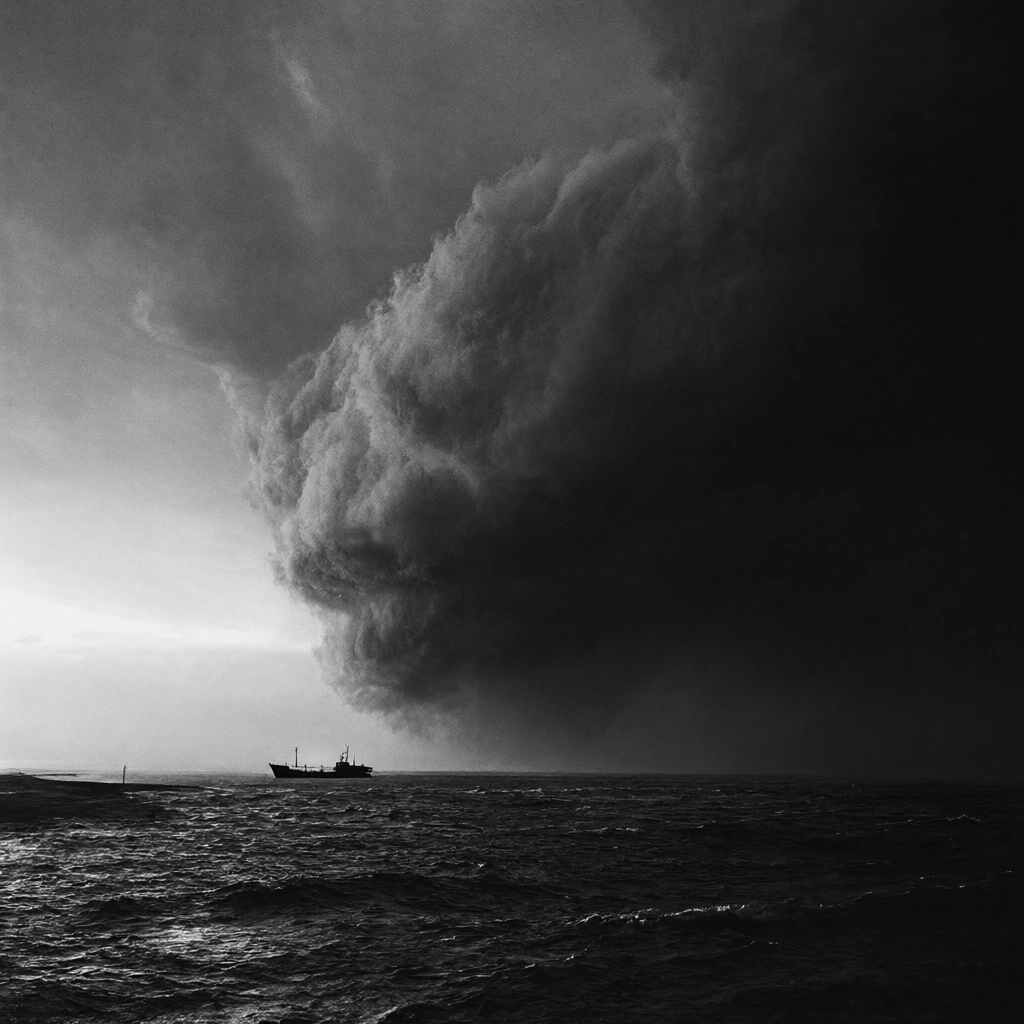 Qwen Image 2.1
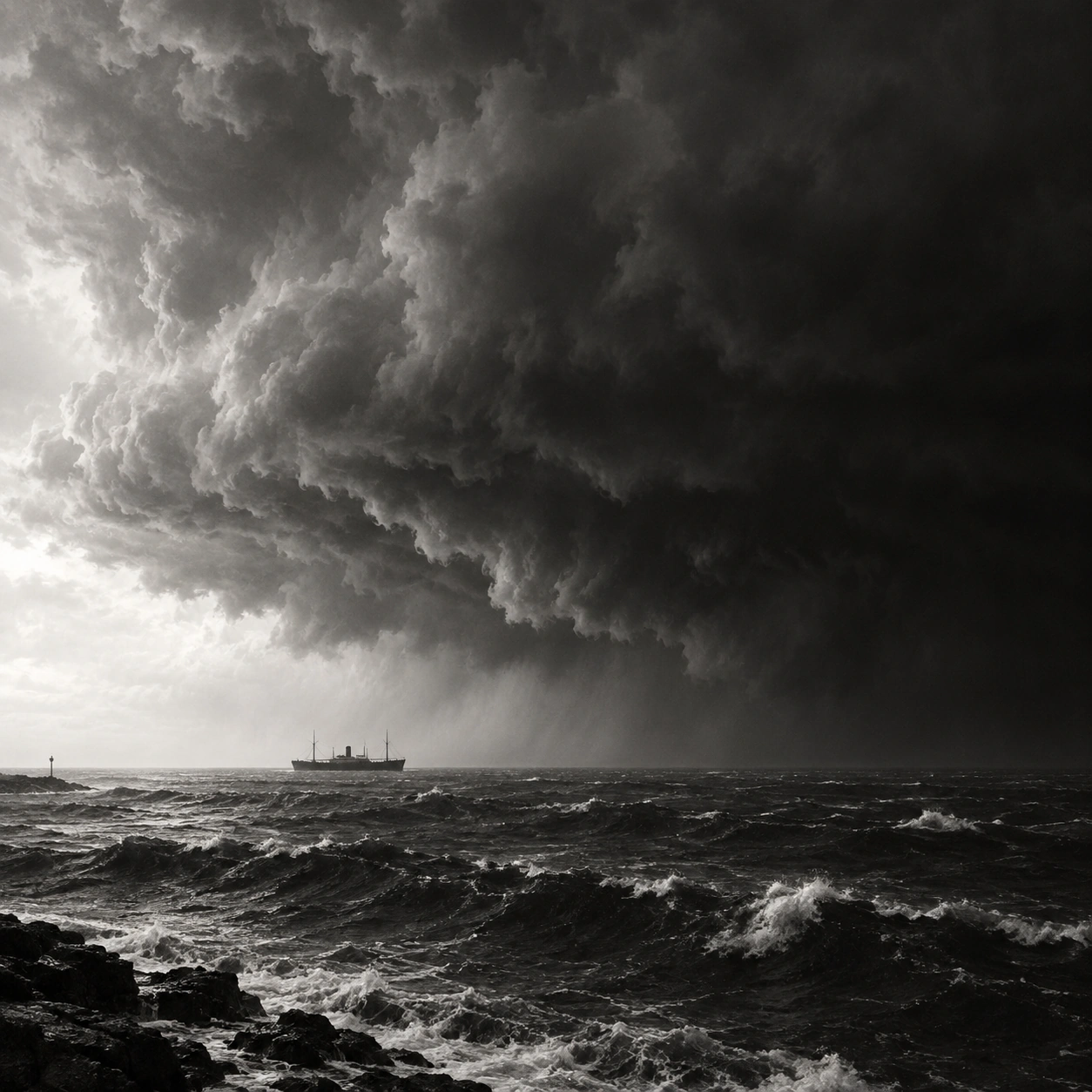 GPT Image 2.5
Reference details
- Reference ID
- 1714
- Category
- Photography
Reference prompts
Style prompt
The photographic image relies on a full grayscale range, from pale mist and silver highlights to dense charcoal black. Large dark masses gather above or beside small sharply legible silhouettes, creating a strong contrast of scale. Fine grain and smooth but complex tonal transitions preserve texture within deep shadow, while scattered bright edges pick out turbulent or weathered surfaces. A low viewing angle and wide atmospheric span create monumentality without saturated color. Light is diffuse from one open side, glazing ridges and leaving the opposite areas heavy and dark. Foreground textures are rougher and clearer, while distance dissolves gradually into haze. The overall effect is austere and dramatic, using value structure, weathered detail, and spatial falloff to carry emotion.Full example prompt
A square black-and-white photographic image shows a small dark ship at sea beneath an immense billowing storm cloud. The background horizon is low and pale on the far left, where mist dissolves the boundary between water and sky. Across most of the upper frame, a heavy cloud mass swells from the right and hangs over the vessel. Its underside is nearly black, while lighter gray folds curl along the lower edge and make the vapor appear dense and turbulent. The ship sits left of center near the horizon, rendered as a narrow dark silhouette with a low hull and a few upright masts or posts. A faint line of light separates it from the shadowed water below. The foreground sea is rough and dark, with irregular bright patches picking out wave crests as they roll toward the lower edge. Near the lower-left corner, a strip of shore or darker ground interrupts the water, and a tiny upright mark stands against the distant haze. The contrast of scale is severe: the vessel occupies only a small fraction of the frame while the cloud fills the sky and presses close to the surface. Fine photographic grain and subtle tonal gradations keep the cloud from becoming a flat black shape; tiny highlights along water and vapor give it physical depth. The viewpoint is low, approximately level with the sea, emphasizing the width of the weather system. Light enters diffusely from the pale left horizon, tracing the cloud's outer folds and wave tips while leaving the right side in deep charcoal. The overall composition is ominous and monumental, using nearly monochrome value, rough water texture, and a tiny isolated silhouette to convey the force of the approaching storm.