
Styles
#2776
Abelardo Morell style reference and prompts
Explore the “Abelardo Morell” reference with layered exposure effects, rhythmic lines, and a monochrome palette. View the images, copy the style or example prompt, and discover related styles on Looksift.
Compare the Qwen Image 2.1 and GPT Image 2.5 examples, choose the visual qualities you want, and copy the style prompt for your own project.
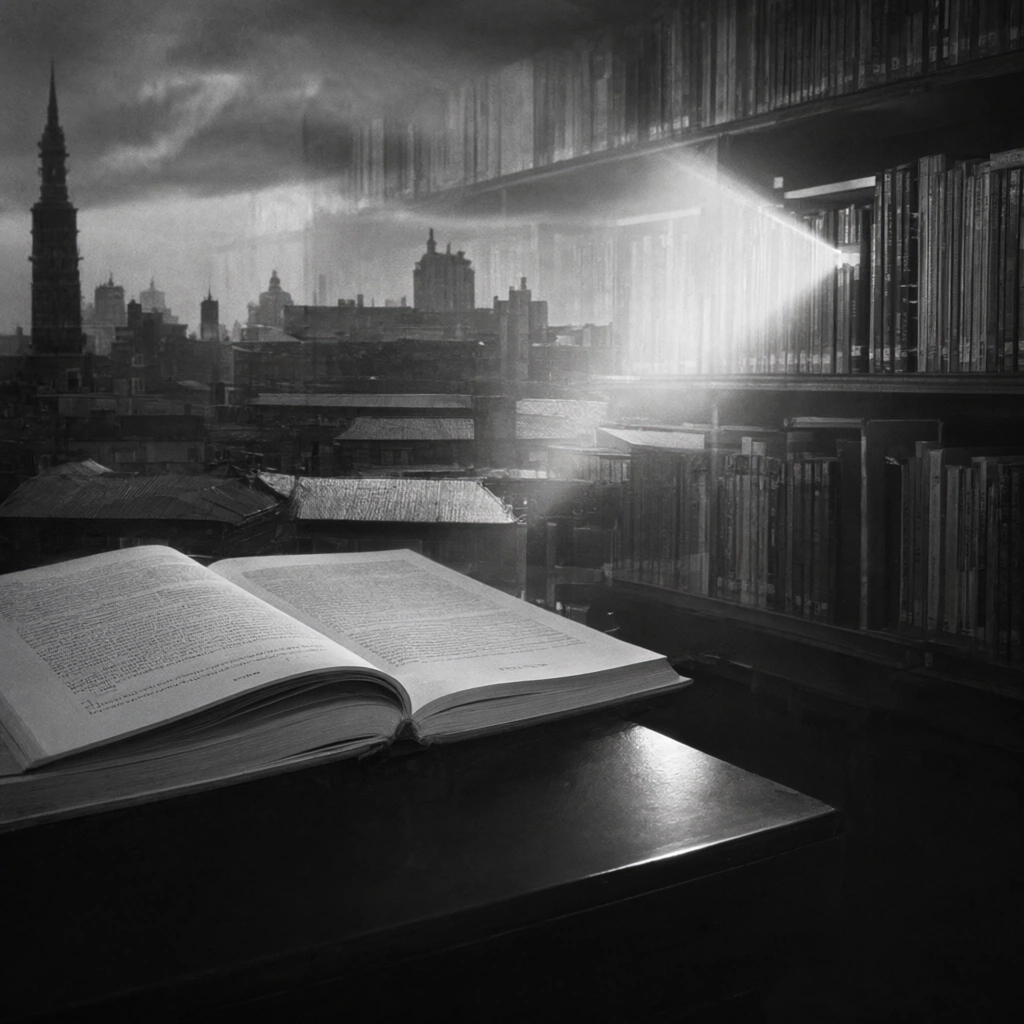 Qwen Image 2.1
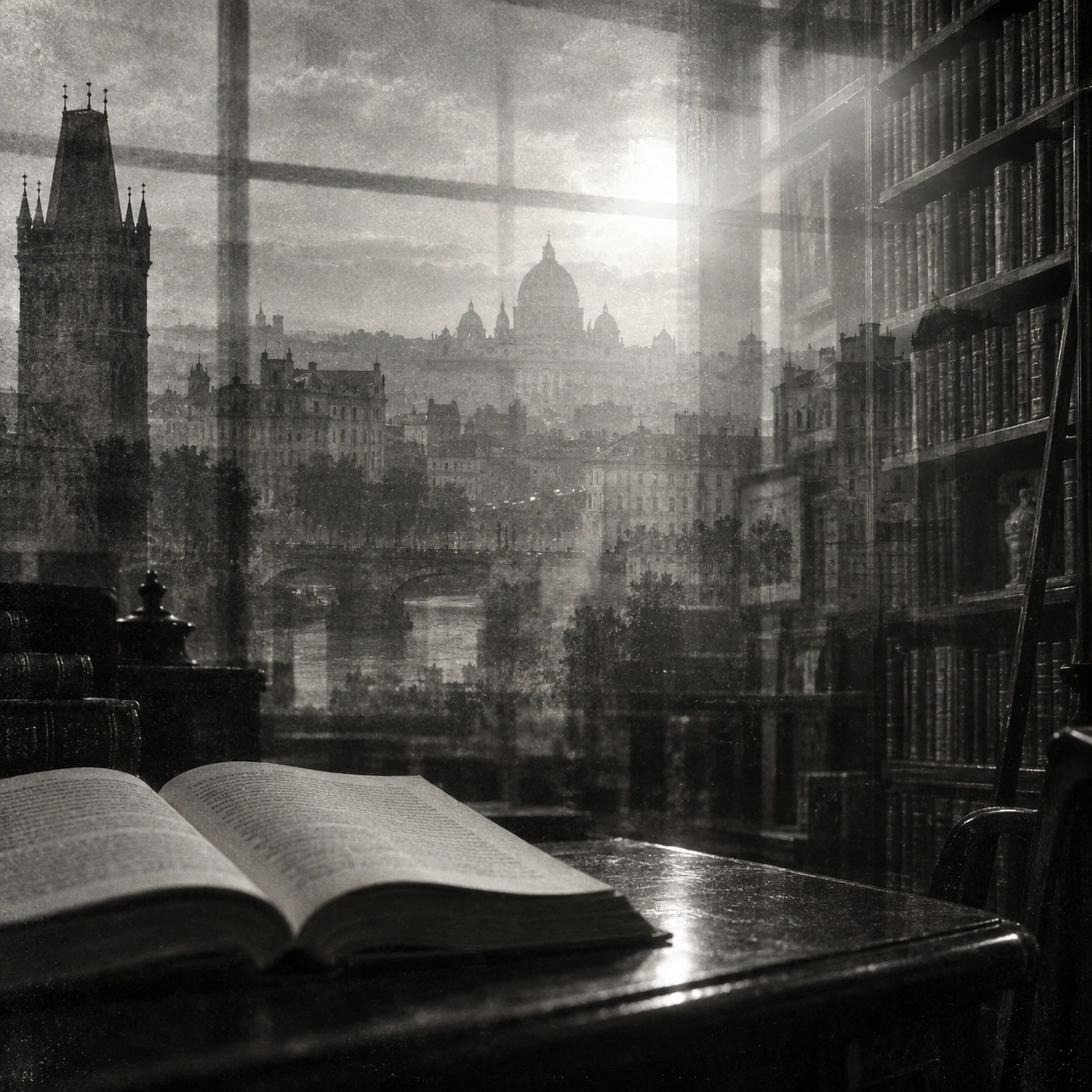 GPT Image 2.5
Reference details
- Reference ID
- 2776
- Category
- Photography
Reference prompts
Style prompt
A layered black-and-white photographic treatment lets separate spatial planes coexist through translucent double exposure. Dark silhouettes, pale contours, and fine vertical rhythms overlap without perfectly matching perspective. High grain and softened focus make the tonal surface weathered, while selective bright passages bloom into silvery haze. The foreground is anchored by a deep near-black diagonal; the middle becomes a dense weave of repeated lines and ghosted outlines, and the back dissolves into atmospheric gray. Directional light glances from above one side, leaving broad shadow masses and a few narrow reflective edges. Contrast is strong in the darkest zones but gentle where exposures meet, avoiding hard collage seams. The completed image feels archival, contemplative, and slightly uncanny, with visual depth formed by superimposition rather than a single continuous scene.Full example prompt
A square monochrome photographic image layers an open book and dark desk with a ghostly city view and library interior. The open book rests across the bottom left foreground, its pages pale and gently curved, their tiny text too small to read. The polished desk edge catches a narrow bright reflection and angles diagonally toward the lower right. Behind it, tall shelving or a wall of books rises along the right side in fine vertical ranks, fading into an overlapping exterior scene. Architectural silhouettes appear across the left and center: a dark tower at the far left, domed structures farther back, and a broad urban mass dissolved by the exposure. Window-like horizontal bands cross the center, so inside and outside occupy the same visual depth. None of the boundaries is entirely stable; dark shapes from the interior merge with hazy roofs and facades. The image is black, white, and many silvery grays, with pronounced grain, slight blur, and softly blown light around the center right. A dim beam from the upper right cuts across the shelves and pages, while the foreground remains substantially dark. The frame feels like a long, layered exposure rather than a clean composite. Its empty human space, overlapping planes, and worn tonal surface produce a reflective, uncanny mood, as if reading and distant city memory are present at once.