
Styles
#2887
Peter Paul Rubens style reference and prompts
Explore the “Peter Paul Rubens” reference with thick paint texture, tactile surfaces, and pale neutral tones. View the images, copy the style or example prompt, and discover related styles on Looksift.
Compare the Qwen Image 2.1 and GPT Image 2.5 examples, choose the visual qualities you want, and copy the style prompt for your own project.
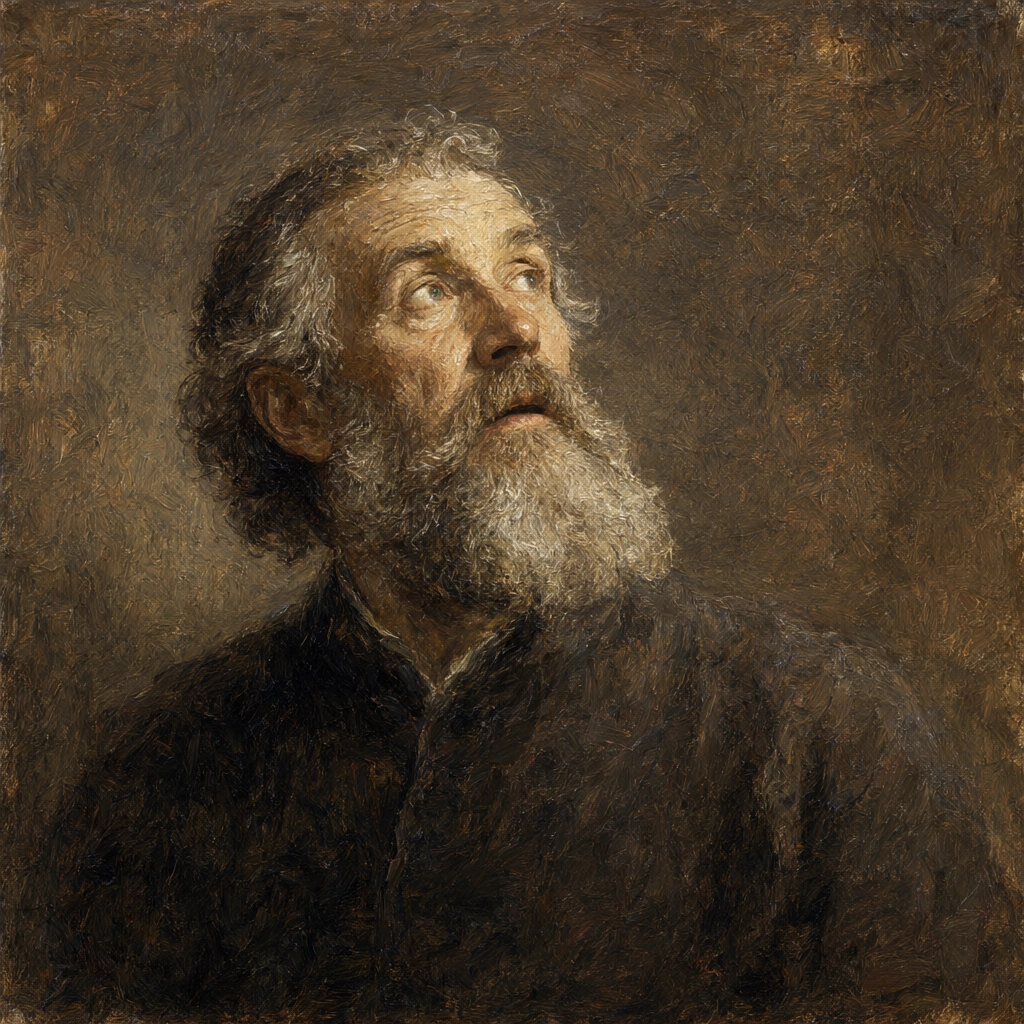 Qwen Image 2.1
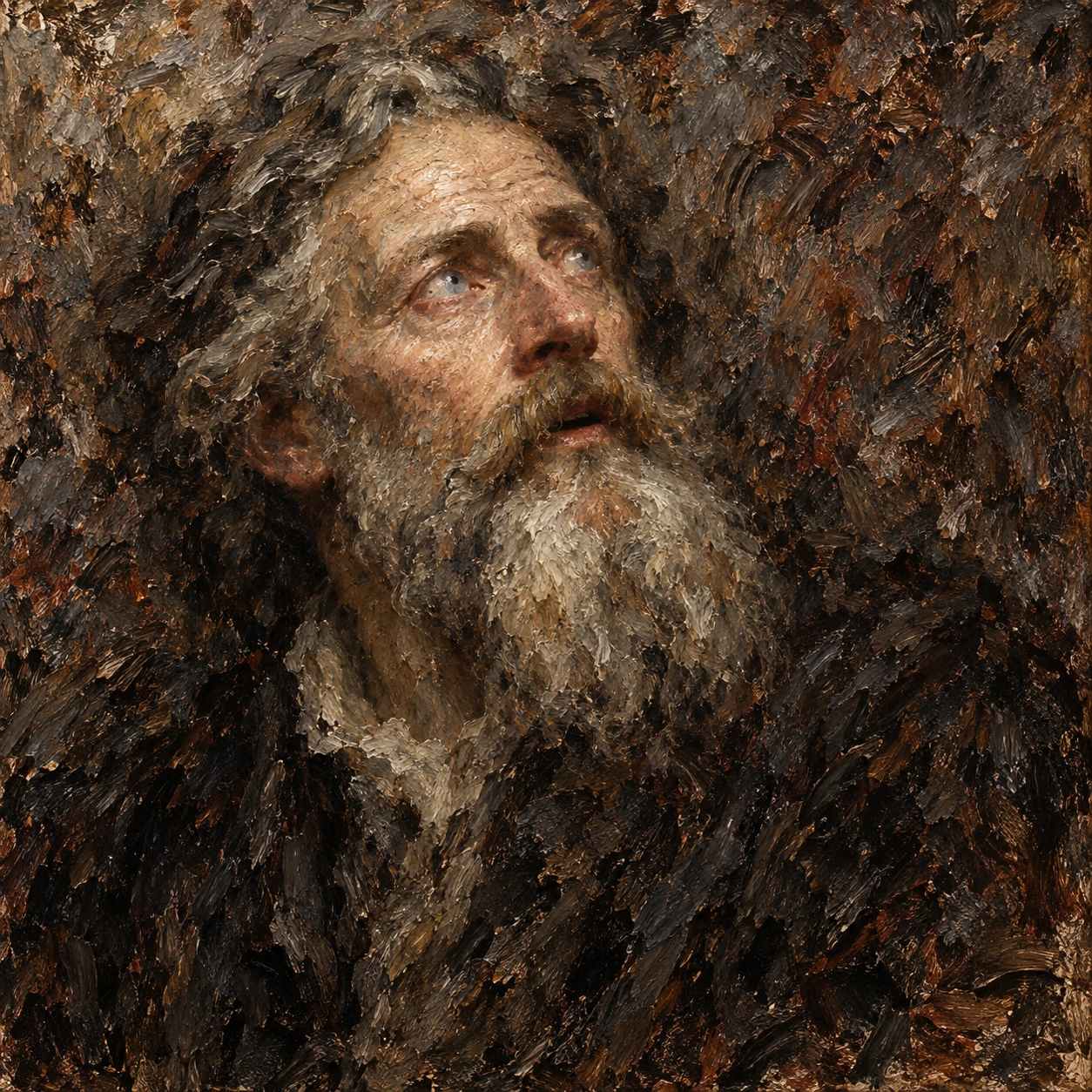 GPT Image 2.5
Reference details
- Reference ID
- 2887
- Category
- Painting
Reference prompts
Style prompt
The oil surface is thick, scumbled and densely mottled, with small broken strokes that make edges appear and disappear. Umber, charcoal, copper and muted cream dominate a low-key palette, while sparse pale highlights concentrate attention. Light grazes raised pigment from an upper side, producing a tactile shimmer rather than polished smoothness. The focal form is recognizable through selected planes and a few precise details, but much of its perimeter dissolves into turbulent neighboring marks. Broad dark areas anchor the lower frame as finer motion gathers higher up. The effect is dramatic, introspective and almost abstract at the margins, with brush texture inseparable from volume.Full example prompt
A square, heavily worked oil portrait shows an older bearded man emerging from a dense field of brown, gray and copper brush marks. The background has no clear wall or setting; thick mottled paint fills the upper and side edges, nearly absorbing the figure. The man's head sits a little left of center and turns toward the upper right. His pale eyes look upward with a thoughtful, searching expression, while the mouth remains slightly open beneath a thick mustache. Wavy graying hair blends into the surrounding dark strokes. The beard is long and uneven, built from pale gray, cream and brown dabs that mingle with the high collar and chest below. A shadowy garment occupies the lower part of the frame, indicated by broad dark shapes rather than crisp seams. Small highlights on the forehead, nose, cheek and beard pull the face forward from the turbulent paint. The surface around the head is active with tiny broken strokes, scumbles and rough impasto, so contours are repeatedly lost and found. There are few hard lines; the gaze and bright facial planes carry recognition. Light appears to come from the upper left, grazing the lifted face and individual raised paint ridges while leaving the outer garment and corners dark. The overall composition makes a single contemplative face visible within an almost abstract storm of earthy marks, balancing human presence with the force of the painted surface.