
Styles
#3099
Albrecht Durer style reference and prompts
Explore the “Albrecht Durer” reference with etched linework, tactile surfaces, and a monochrome palette. View the images, copy the style or example prompt, and discover related styles on Looksift.
Compare the Qwen Image 2.1 and GPT Image 2.5 examples, choose the visual qualities you want, and copy the style prompt for your own project.
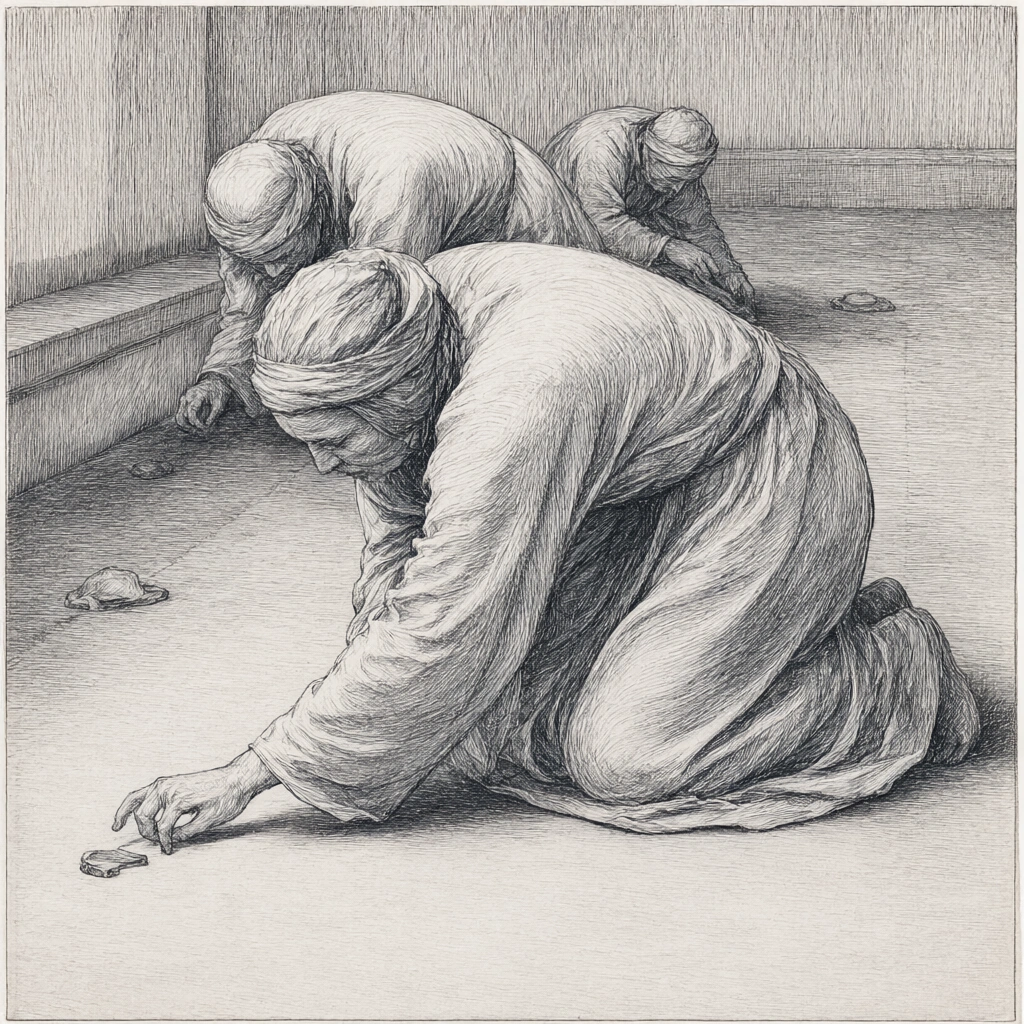 Qwen Image 2.1
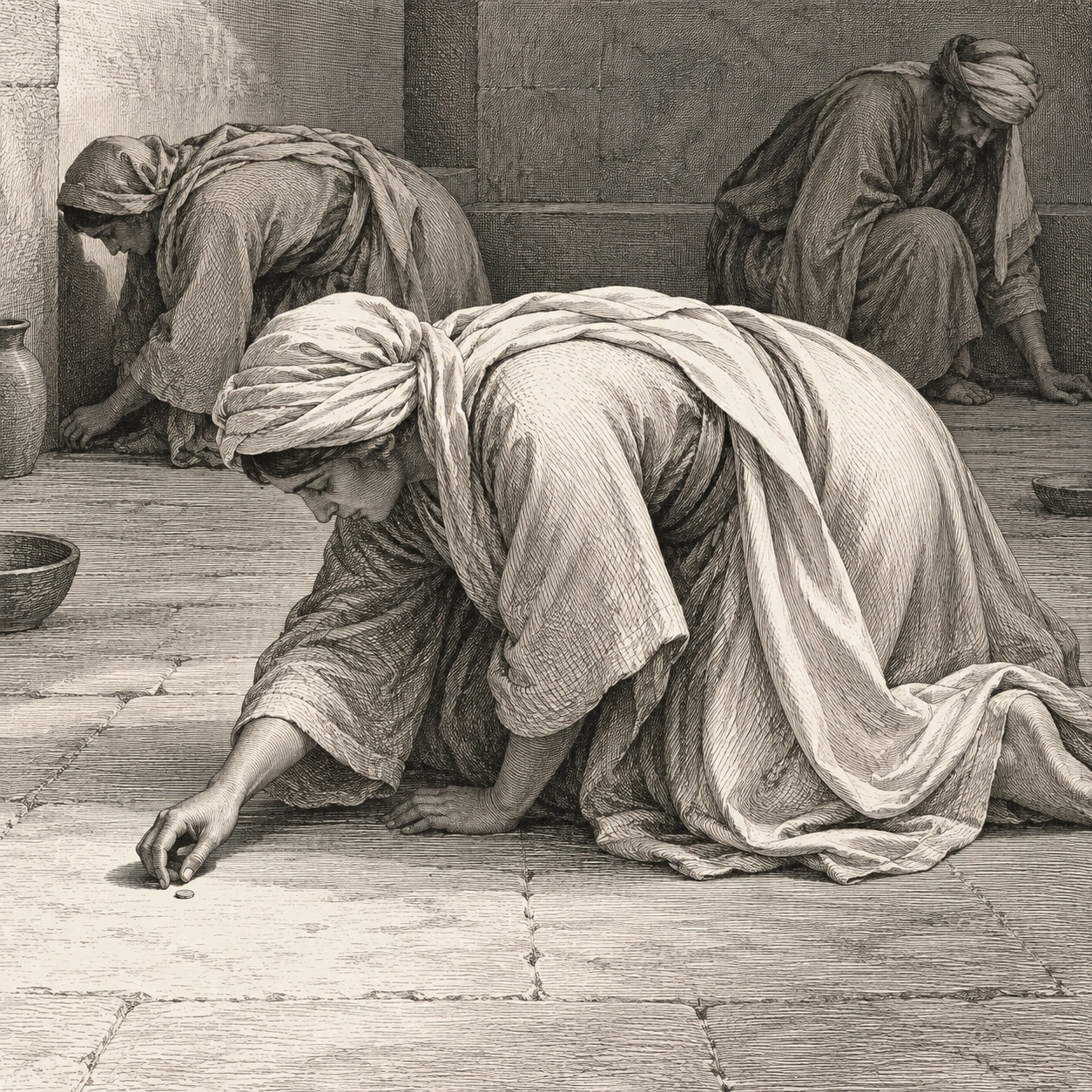 GPT Image 2.5
Reference details
- Reference ID
- 3099
- Category
- Ink & line
Reference prompts
Style prompt
The engraved monochrome treatment creates volume from fine parallel cuts and dense crosshatching on an aged pale ground. Long curved strokes follow broad folds and rounded planes; short intersecting marks darken recesses. Light is described by leaving the surface open, so bright regions retain the paper tone rather than opaque white paint. Crisp outlines and carefully varied line density make shallow space readable. Repeated bent curves and a clear near-to-far scale rhythm organize the composition. Gray values stay warm and dry, with no saturated color or glossy surface. The overall effect is patient, humble, and tactile, turning modest forms into precise graphic structure.Full example prompt
This is a square, monochrome engraved drawing of three robed figures kneeling and bending low across a stone floor. The nearest figure fills the lower middle and right, body folded toward the left with one hand stretched down to a tiny object near the foreground. A wrapped head covering and long pale robe create a broad curved shape, described with many parallel hatch lines. Behind this person, another figure bends near the left wall, while a third crouches farther back at the upper right and looks downward. The room is shallow and spare: straight wall joints, a low ledge, and several small scattered forms are visible, but no decorative setting distracts from the bodies. The nearest reaching hand and the small object lie within a pale open area of floor, creating the visual focus. Light appears to fall from the upper left, leaving the higher cloth folds and shoulders pale while deeper folds, the wall recess, and spaces beneath the figures gather charcoal-gray lines. Every plane is built through fine engraved strokes, from long directional folds to tight crosshatching under the arms and along the stone. The edges are crisp, yet the repeated marks create soft tonal shifts rather than solid painted shadows. The three bodies overlap and recede with clear differences in scale. No writing is visible on the wall or floor. The overall composition is humble and concentrated, its rhythmic bent forms and precise mark-making turning a quiet task into a carefully observed scene.