
Styles
#3376
Blame style reference and prompts
Explore the “Blame” reference with a monochrome palette and frontal lighting. View the images, copy the style or example prompt, and discover related styles on Looksift.
Compare the Qwen Image 2.1 and GPT Image 2.5 examples, choose the visual qualities you want, and copy the style prompt for your own project.
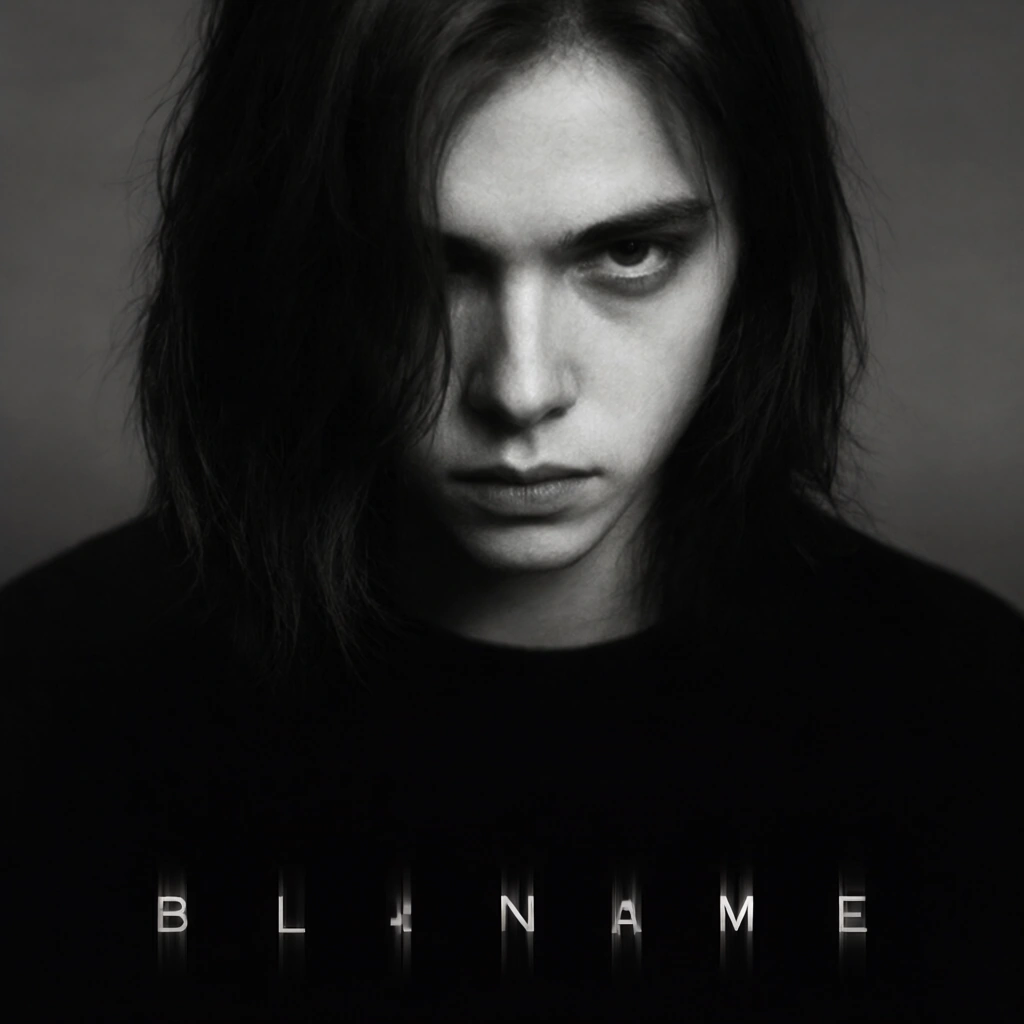 Qwen Image 2.1
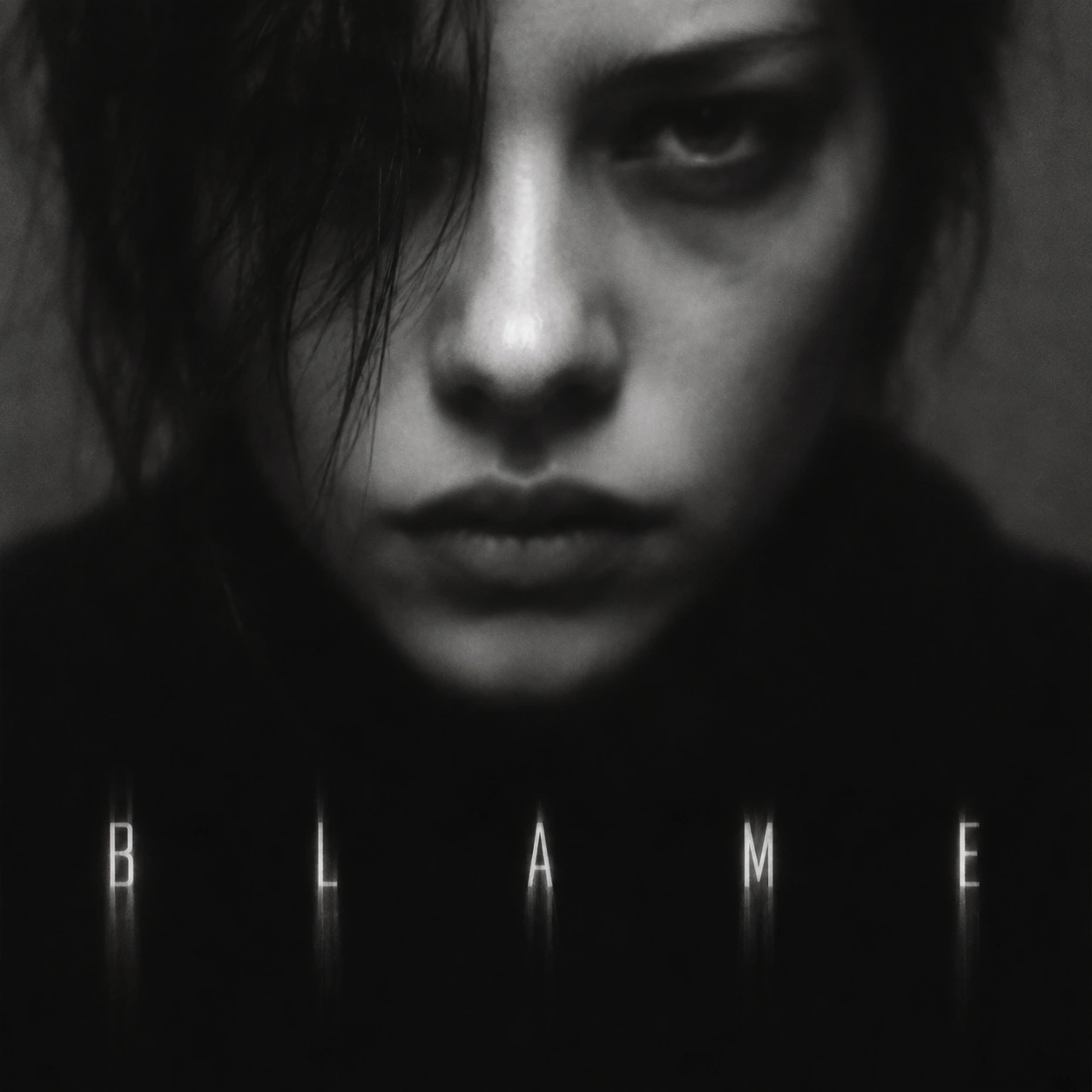 GPT Image 2.5
Reference details
- Reference ID
- 3376
- Category
- Photography
Reference prompts
Style prompt
The austere monochrome cover treatment uses a narrow grayscale range punctuated by a few pale highlights and thin spaced typography. Extreme cropping and shallow, almost blurred focus reduce the image to broad shadow planes, a soft central light shape, and occasional sharper strands. Black dominates the lower field; medium gray gives only a faint separation behind the main mass. Frontal light fades quickly into deep eye and edge shadows, leaving an intentionally withheld expression. Widely tracked narrow uppercase letters sit low and small, with slight vertical streaking that blends into the dark. The finish is grainy, low resolution, and photographic rather than cleanly illustrated. Emptiness and near-absence of context make the composition severe and mysterious, while the small regular lettering supplies its only measured graphic rhythm.Full example prompt
A square monochrome cover-like image is dominated by the blurred face of a young adult looking straight outward. The crop is extremely close: the forehead is cut off at the top, the chin approaches the lower third, and both outer cheeks dissolve into dark shadow. Loose dark hair slips over the left side of the face and masks one eye; the visible eye at right looks toward the viewer from under a deep brow shadow. The nose is the brightest central feature, with a soft gray bridge and near-black nostril. Closed lips sit below it, shaded so that the expression reads severe and inward. The clothing merges into a broad black mass across the bottom half. Behind the head is a flat medium-dark gray field with only a faint tonal variation. Near the lower edge, the uppercase word BLAME appears in thin, narrow white letters spread widely across the width. Each letter stands alone with generous spacing; subtle vertical blur or streaks trail below some letters into the black region. The image has a deliberately low-resolution, defocused photographic finish. Facial edges are not crisp, and gray transitions bloom into one another; a few hair strands remain comparatively sharp. The lighting seems frontal but narrow, isolating the center of the face while the eyes, temples, and lower body retreat into shadow. There are no visible props, setting, or secondary figures. The graphic arrangement makes the face and title function together: a heavy dark upper-to-lower gradient interrupted by pale central skin and small, evenly spaced white text. The mood is bleak, mysterious, and emotionally withheld.