
Styles
#3892
Antanas Sutkus style reference and prompts
Explore the “Antanas Sutkus” reference with fine grain, close cropping, and a monochrome palette. View the images, copy the style or example prompt, and discover related styles on Looksift.
Compare the Qwen Image 2.1 and GPT Image 2.5 examples, choose the visual qualities you want, and copy the style prompt for your own project.
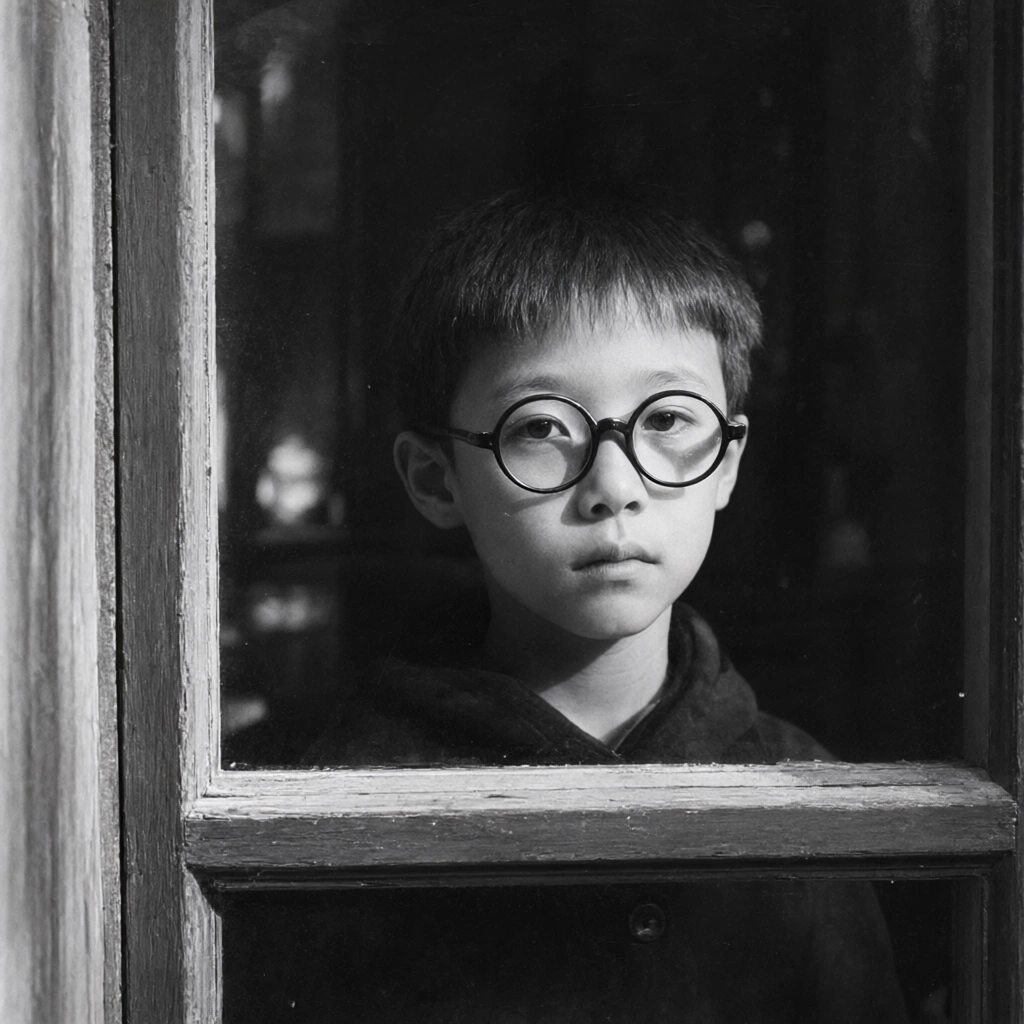 Qwen Image 2.1
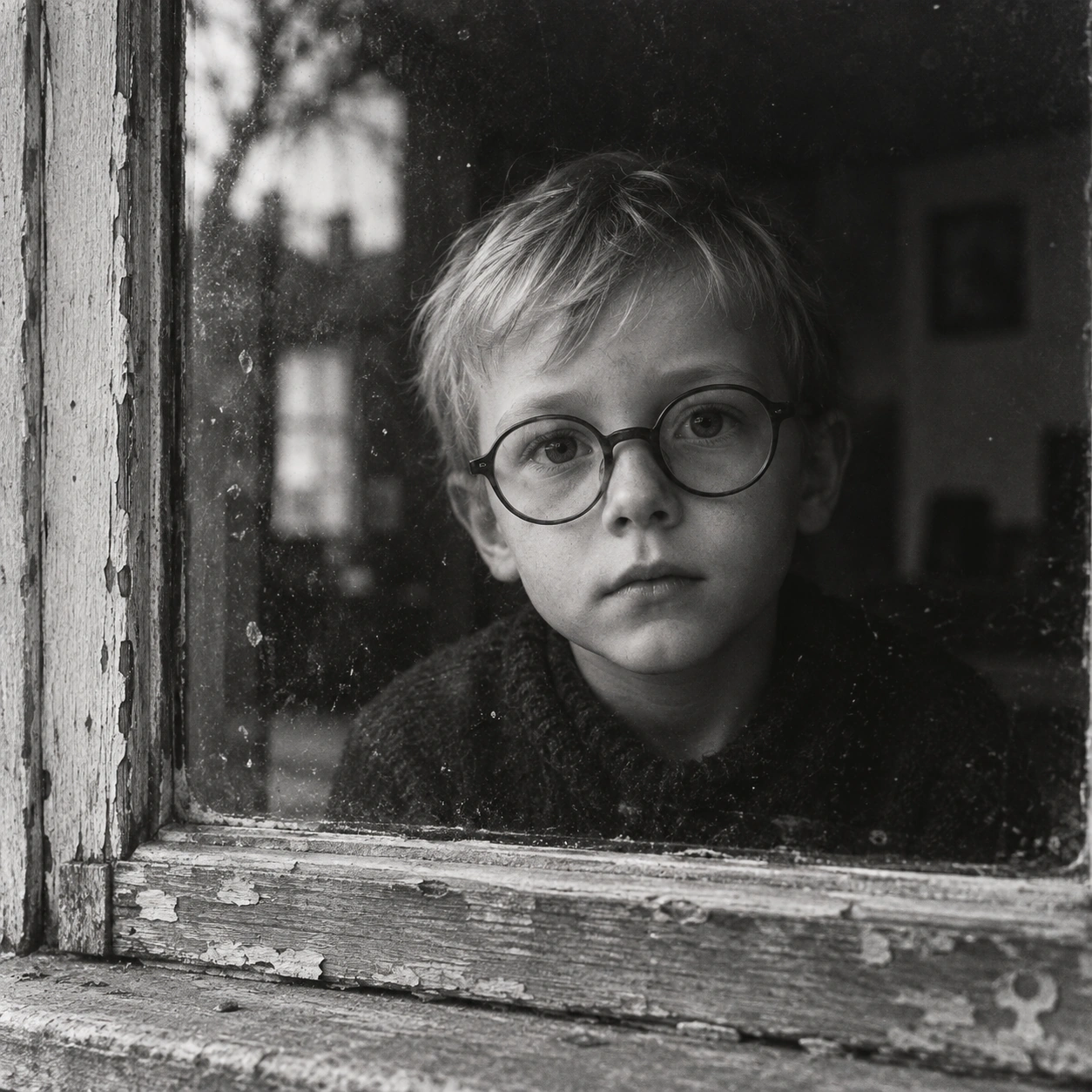 GPT Image 2.5
Reference details
- Reference ID
- 3892
- Category
- Photography
Reference prompts
Style prompt
The black-and-white documentary style uses a simple dark enclosure and one softly illuminated focal area. Rectangular framing elements create firm boundaries, while faint glass reflections and shallow focus soften the space behind them. A wide range of charcoal grays preserves detail in weathered material without lifting the background too far from black. Fine grain and modest print wear lend tactile authenticity. Exterior side light models the central volume gently, and small bright reflections remain subordinate to the main gaze or focal surface. Close cropping removes narrative excess and makes the relationship between viewer, pane, and subject immediate. The overall effect is observant and emotionally direct, balancing graphic structure with delicate tonal transitions.Full example prompt
A square black-and-white documentary photograph shows a child with round glasses looking outward from behind an old window. Dark glass and interior shadow fill most of the background, with vague pale reflections and blurred shapes behind the face. The child stands slightly right of center, framed from short light hair to the upper chest. Large circular dark-rimmed glasses surround a steady, solemn gaze directed toward the camera. The small face is softly lit, with pale cheeks, a narrow nose, and closed lips; the dark clothing falls away into the shadow below the chin. At the left edge, a vertical wooden window frame rises from bottom to top, worn and rough along its inner side. A thick horizontal sill crosses the lower part of the image, its chipped paint and layered grain more visible than most of the room. The boy's head is close to the glass, but small spots and soft reflections on the pane create a slight barrier between subject and viewer. The shallow focus keeps the eyes, glasses, and front hair clear while turning the interior beyond into dark haze. Daylight from outside, strongest on the left, illuminates the child's forehead and nose; the far side of the face and clothing stay in quiet gray-black shadow. Grain and mild print wear give the image a tactile analog surface. The composition is direct and spare, with the rectangular window construction enclosing a small bright face against deep darkness. No readable signs or other people appear in the selected frame. The overall photograph feels watchful and tender, using near-monochrome light, aging wood, and a serious direct gaze to hold a brief everyday moment.