
Styles
#4074
Fayum portrait style reference and prompts
Explore the “Fayum portrait” reference with scratch-like marks, warm color tones, and side lighting. View the images, copy the style or example prompt, and discover related styles on Looksift.
Compare the Qwen Image 2.1 and GPT Image 2.5 examples, choose the visual qualities you want, and copy the style prompt for your own project.
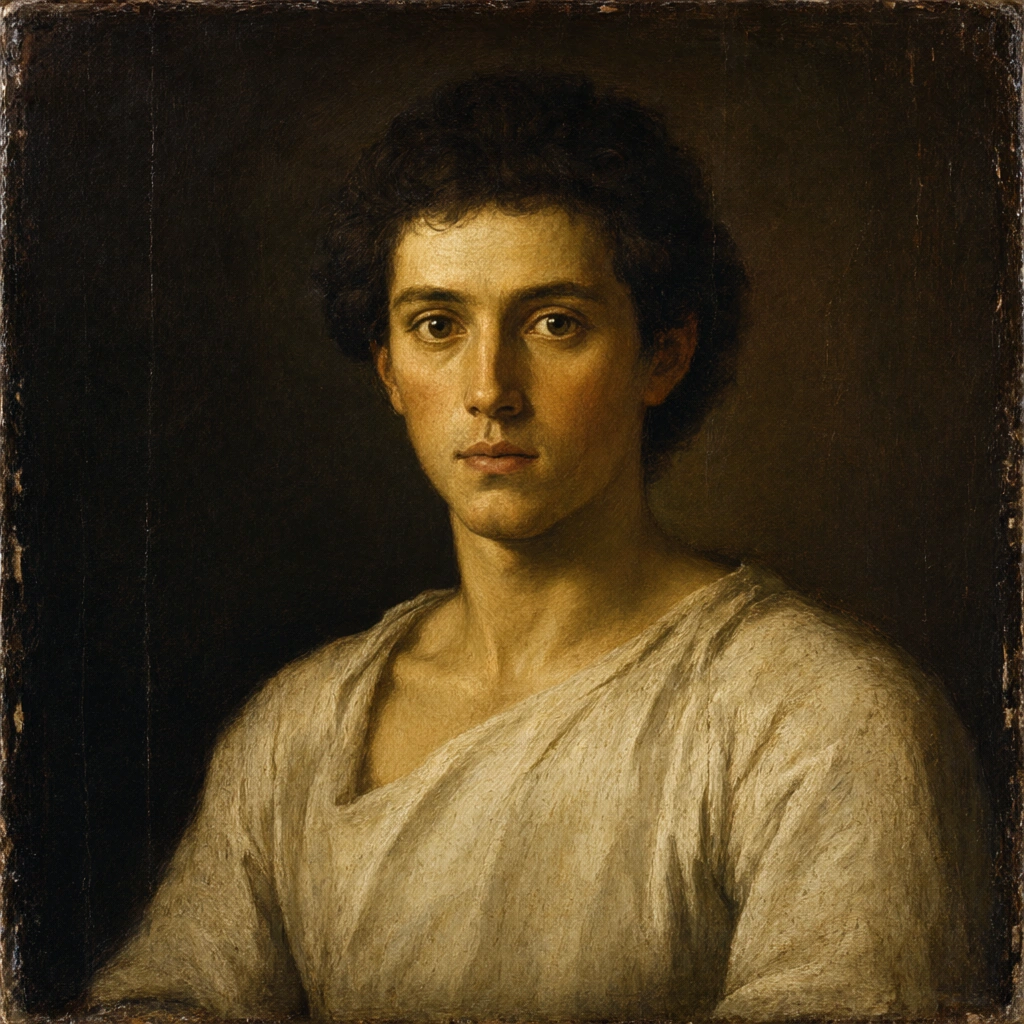 Qwen Image 2.1
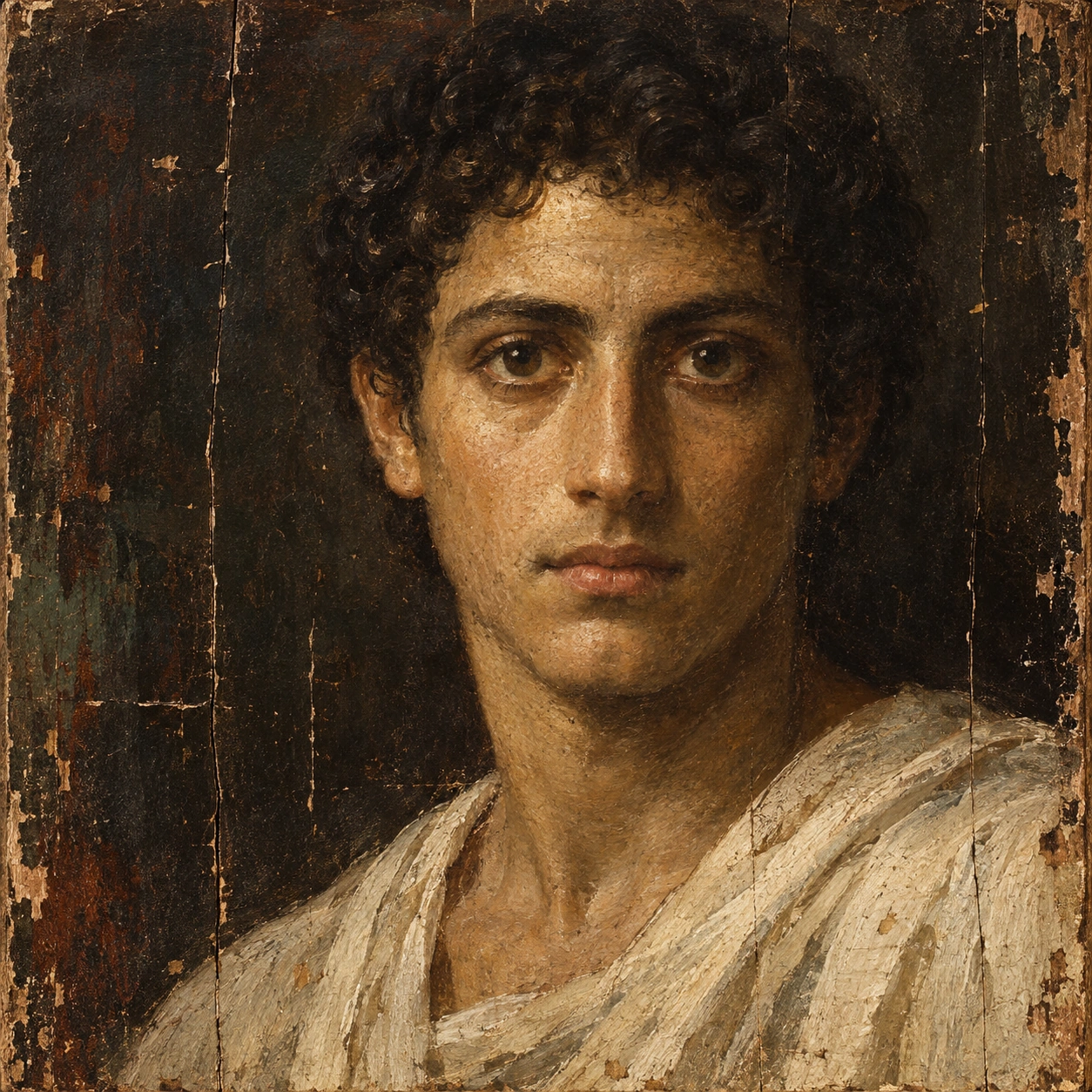 GPT Image 2.5
Reference details
- Reference ID
- 4074
- Category
- Painting
Reference prompts
Style prompt
Aged panel painting combines compact, softly blended modeling with a visibly distressed support. Narrow cracks, scratches, worn pigment, and rough dark ground interrupt otherwise careful transitions without destroying the focal clarity. Olive brown, burnt umber, ochre, muted cream, and deep charcoal make a restrained warm palette. A modest upper-side light lifts selected planes from a dense shadow field, with the strongest highlights kept small and close together. The composition concentrates detail in one quiet central zone and lets peripheral areas dissolve into uneven darkness. Its visual force comes from directness, material age, and a patient balance of light and wear.Full example prompt
A square painted portrait shows a young man from the chest upward against a deep brown, almost black field. He faces the viewer directly, with dark curly hair, wide brown eyes, a straight nose, and a small closed mouth. Warm olive and ochre tones model the face, while paler strokes pick out the forehead, nose bridge, cheeks, and neck. A light cream garment crosses the right shoulder and upper chest, its broad folds painted with fewer details than the face. The head sits slightly right of center, leaving more dark space at the left edge and behind the shoulder. The painting has a visibly aged support: vertical cracks, chips, thin scratches, and rubbed areas interrupt the pigments, especially near the outer edges. The dark ground is not uniform; muted reddish and greenish undertones show through its rough texture. Light appears to come from the upper left, giving the forehead and near cheek a quiet glow and allowing the hair and far side of the face to merge into shadow. The sitter's steady gaze remains the sharpest and most luminous point despite the worn surface. Brushwork is compact and softly blended across the skin but rougher through the clothing and background. The overall composition is intimate and frontal, holding a direct human presence inside a restrained earth palette and the material history of the painted panel.