
Styles
#4189
Gumoil print style reference and prompts
Explore the “Gumoil print” reference with stippled texture and side lighting. View the images, copy the style or example prompt, and discover related styles on Looksift.
Compare the Qwen Image 2.1 and GPT Image 2.5 examples, choose the visual qualities you want, and copy the style prompt for your own project.
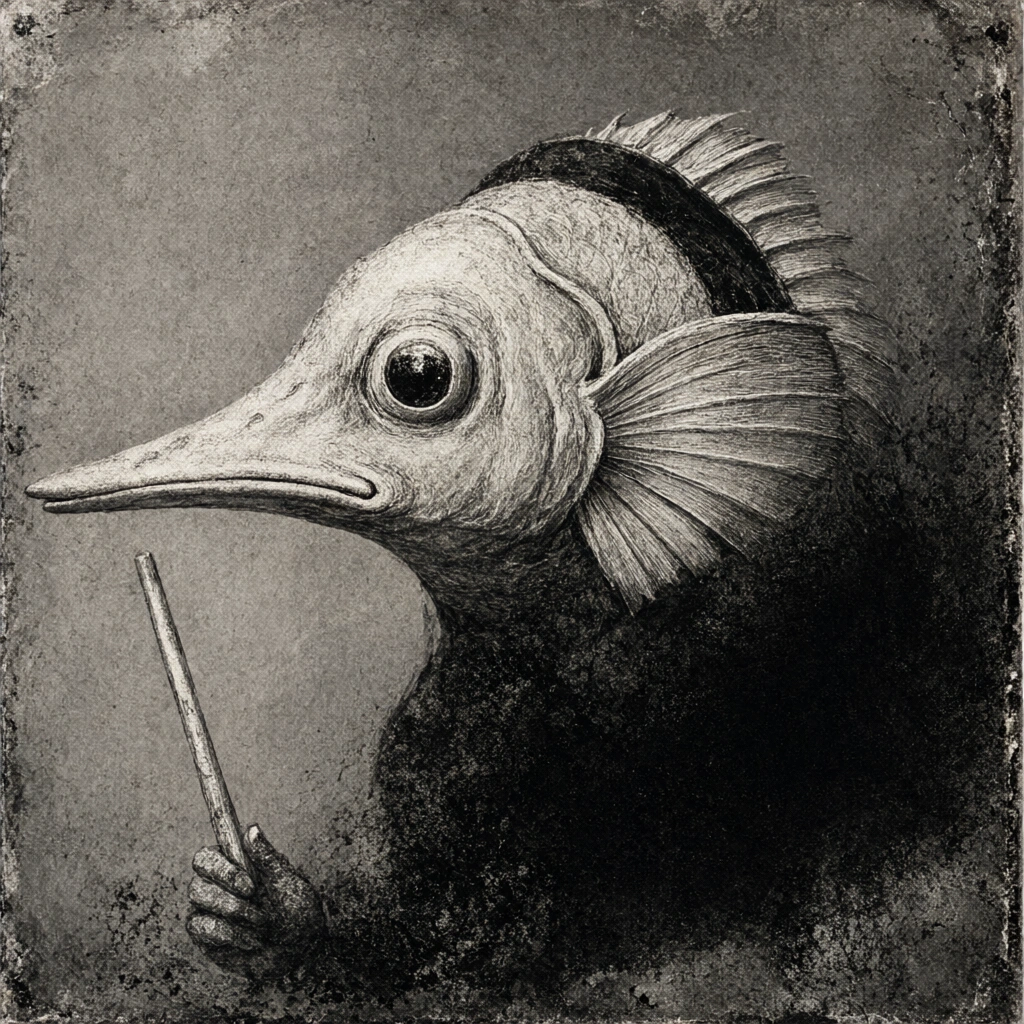 Qwen Image 2.1
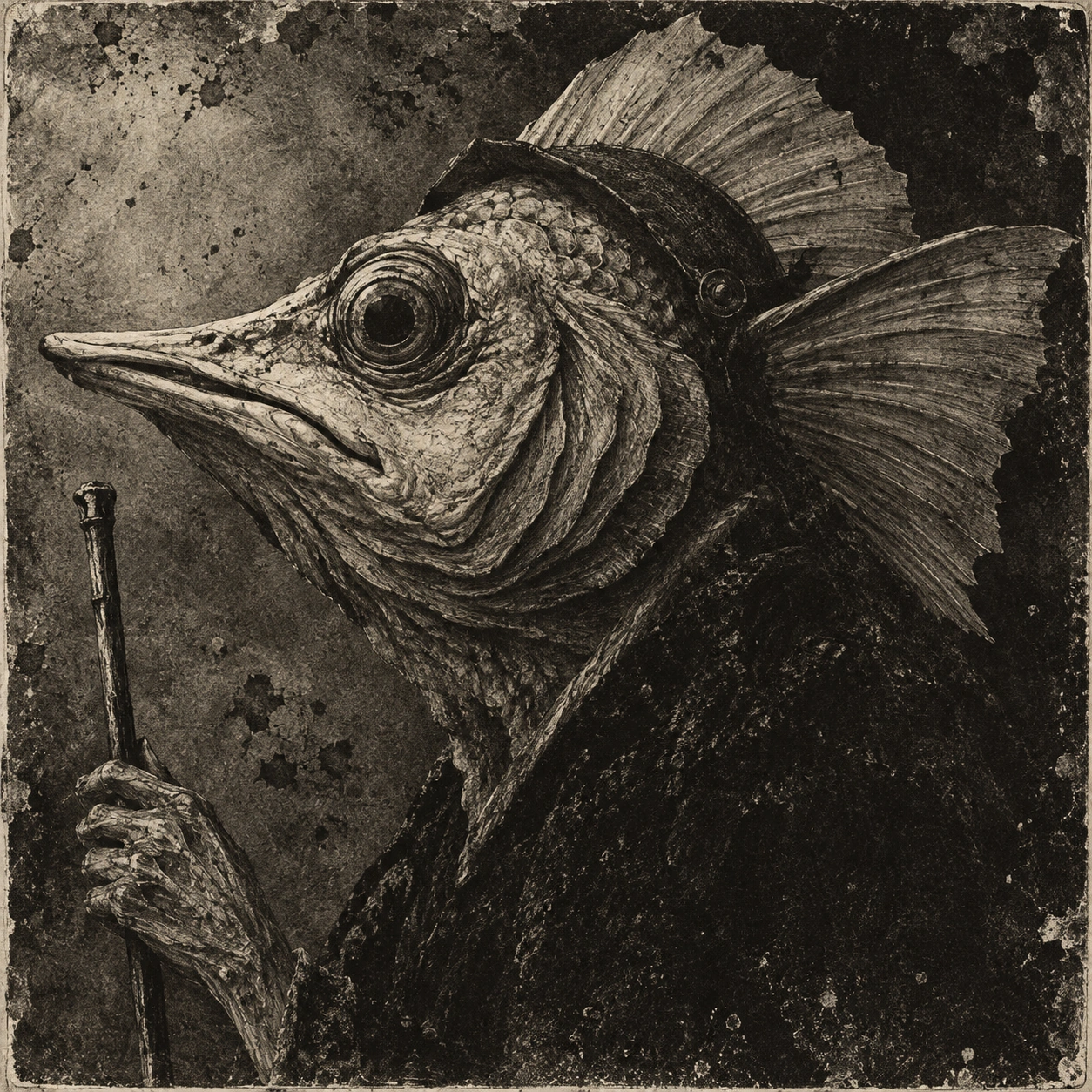 GPT Image 2.5
Reference details
- Reference ID
- 4189
- Category
- Ink & line
Reference prompts
Style prompt
Gumoil-like printmaking combines etched line detail with irregular rubbed blacks and cloudy gray stains. Fine ribs, wrinkles, and stippled grain remain visible inside the larger dark masses. The palette is strictly warm gray, bone, and charcoal. Side light is expressed through paper-toned highlights and inky recesses, giving strange shapes convincing relief. Edges can be precise at the focal contour and broken, smudged, or eroded toward the surrounding field. A close compressed arrangement limits contextual space. The finish feels antique, specimen-like, and materially unpredictable.Full example prompt
A square gumoil-style monochrome print shows a fantastical figure whose head resembles a fish, in close profile against a mottled gray ground. A long pointed snout projects left from a large round eye and heavy gill-like folds. Behind the head, broad ribbed fins fan outward, with one dark curved band resembling a cap or harness crossing the upper form. A narrow hand or fin at the lower left holds a thin upright stick. The figure's body disappears into granular black shadow on the right, making the pale textured head the main focus. Fine etched contours describe scales, wrinkles, and fin ribs, while the surrounding ink breaks into cloudy specks, scratches, and uneven stains. The print is not a smooth grayscale photograph; deep blacks have slight gaps and light gray passages carry embedded grain. Illumination seems to come from the upper left, lifting the snout, eye ridge, and front fin but leaving the lower body nearly submerged in shadow. The head fills most of the image, with little contextual space. This close view turns a strange invented anatomy into something almost specimen-like. The overall image feels antique, curious, and slightly unsettling, with distressed printing marks giving the fantasy form physical presence.