
Styles
#0341
Martin Lewis style reference and prompts
Explore the “Martin Lewis” reference with hatching, tactile surfaces, and a monochrome palette. View the images, copy the style or example prompt, and discover related styles on Looksift.
Compare the Qwen Image 2.1 and GPT Image 2.5 examples, choose the visual qualities you want, and copy the style prompt for your own project.
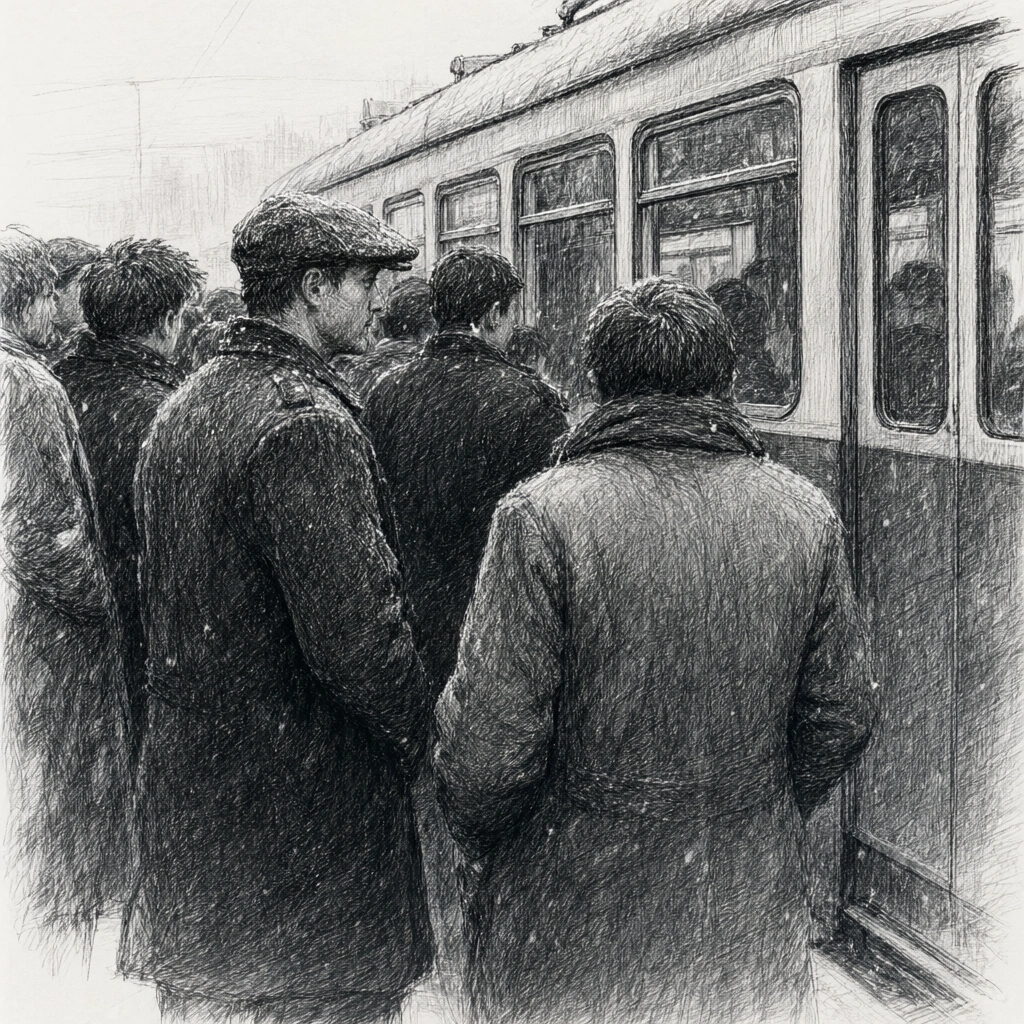 Qwen Image 2.1
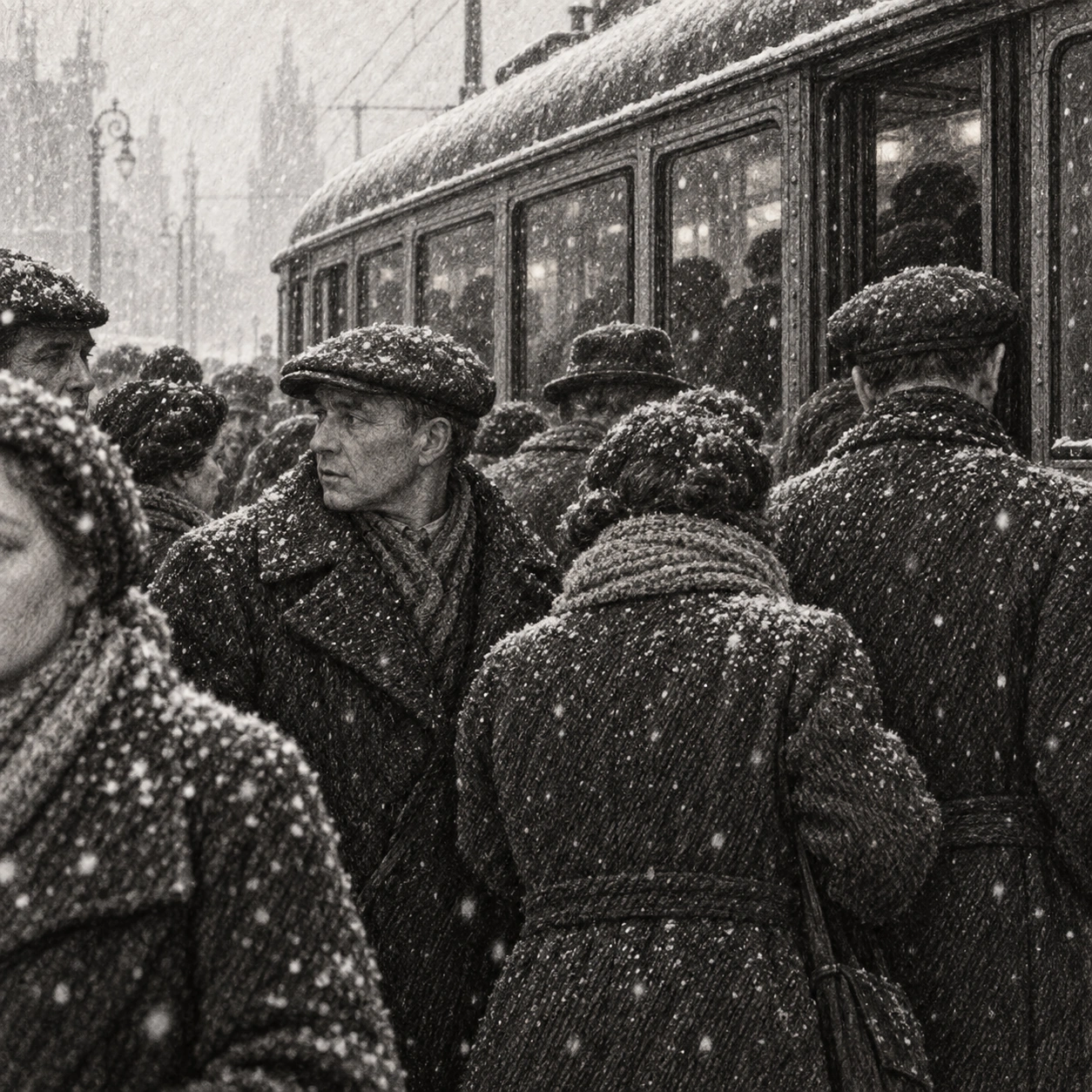 GPT Image 2.5
Reference details
- Reference ID
- 0341
- Category
- Ink & line
Reference prompts
Style prompt
The monochrome drawing uses dense graphite-like hatching, soft off-white highlights, and a fine field of scattered white specks. Closely overlapping dark shapes form a continuous lower band, while a long receding diagonal gives the upper composition structure. Small pale openings puncture the charcoal texture and draw attention to selected focal points. Background forms are faint and partially erased by mist; foreground surfaces carry much tighter linework and more varied grain. The edges of individual shapes are sometimes clear, sometimes merged by shadow and weather, creating a crowded visual rhythm. There is no color, so contrast depends on the changing density of marks and the preserved paper light. The close crop restricts open space and heightens the tactile sense of proximity. The whole frame feels cold, archival, and patient through fine abrasion, compressed forms, and disciplined value control.Full example prompt
A monochrome archival-style drawing shows a cluster of bundled commuters beside a stopped tram as fine snow falls. The tram fills the right half, its rounded roof and row of dark-framed windows receding toward the upper left. Several people stand close to its side, their coats, caps, and scarves overlapping so tightly that the group becomes a single textured dark band. A man in a flat cap near the center turns his face to the left, while figures nearer the tram are seen mostly from behind. At the far left, cropped faces and shoulders imply a larger crowd extending beyond the frame. The background is pale and misty, with only faint vertical city lines visible through the weather. Dense pencil or etched hatching describes wool, hair, vehicle panels, and the space between bodies. White specks scatter across coats and windows, making the snowfall visible against the darkest surfaces. The picture's strongest contrast occurs where faces, cap brims, and window openings interrupt the mass of charcoal marks. There is little empty foreground; the close crop places the viewer within the crowd and emphasizes the slow compression of waiting. The tram's long diagonal roof provides order against the irregular human silhouettes. The whole frame feels cold, crowded, and patiently observed, like a worn illustration of an ordinary winter journey.