
Styles
#0711
Andrew Read style reference and prompts
Explore the “Andrew Read” reference with tactile surfaces and a monochrome palette. View the images, copy the style or example prompt, and discover related styles on Looksift.
Compare the Qwen Image 2.1 and GPT Image 2.5 examples, choose the visual qualities you want, and copy the style prompt for your own project.
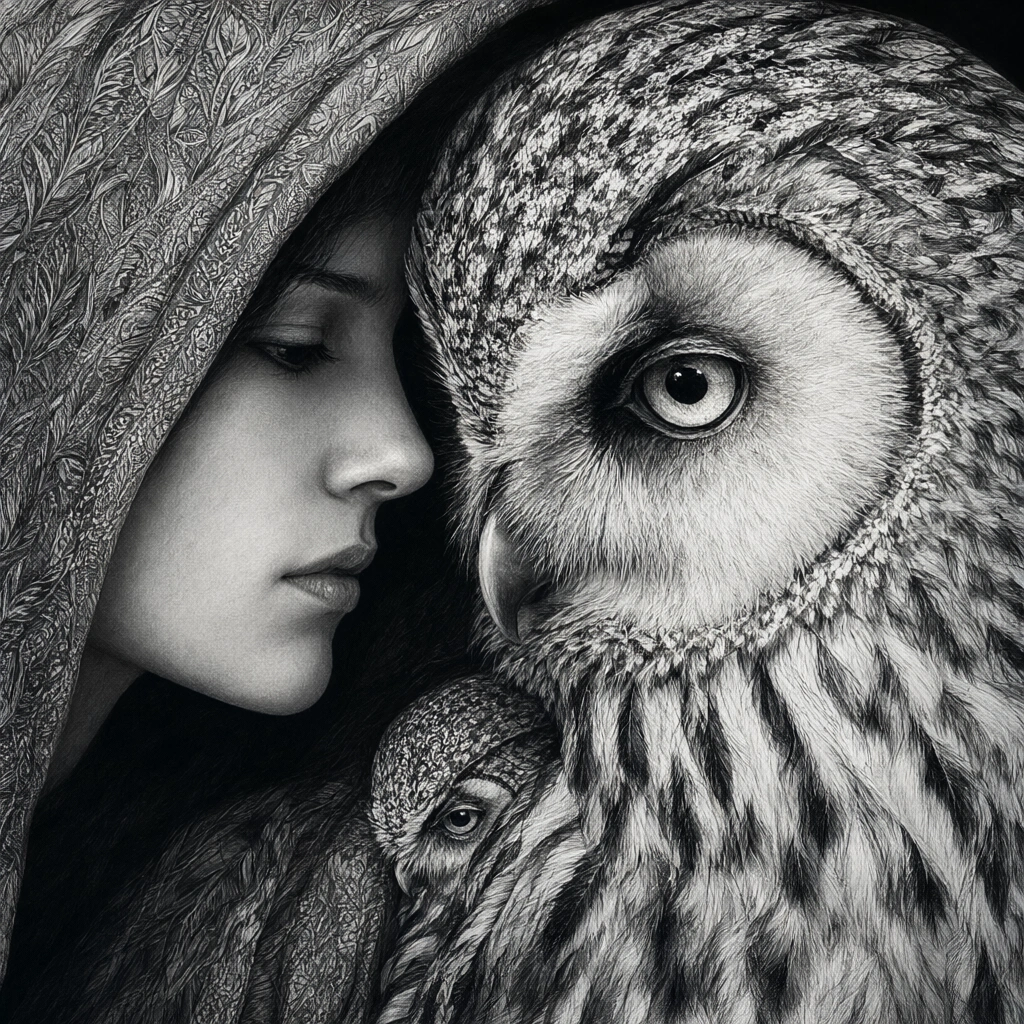 Qwen Image 2.1
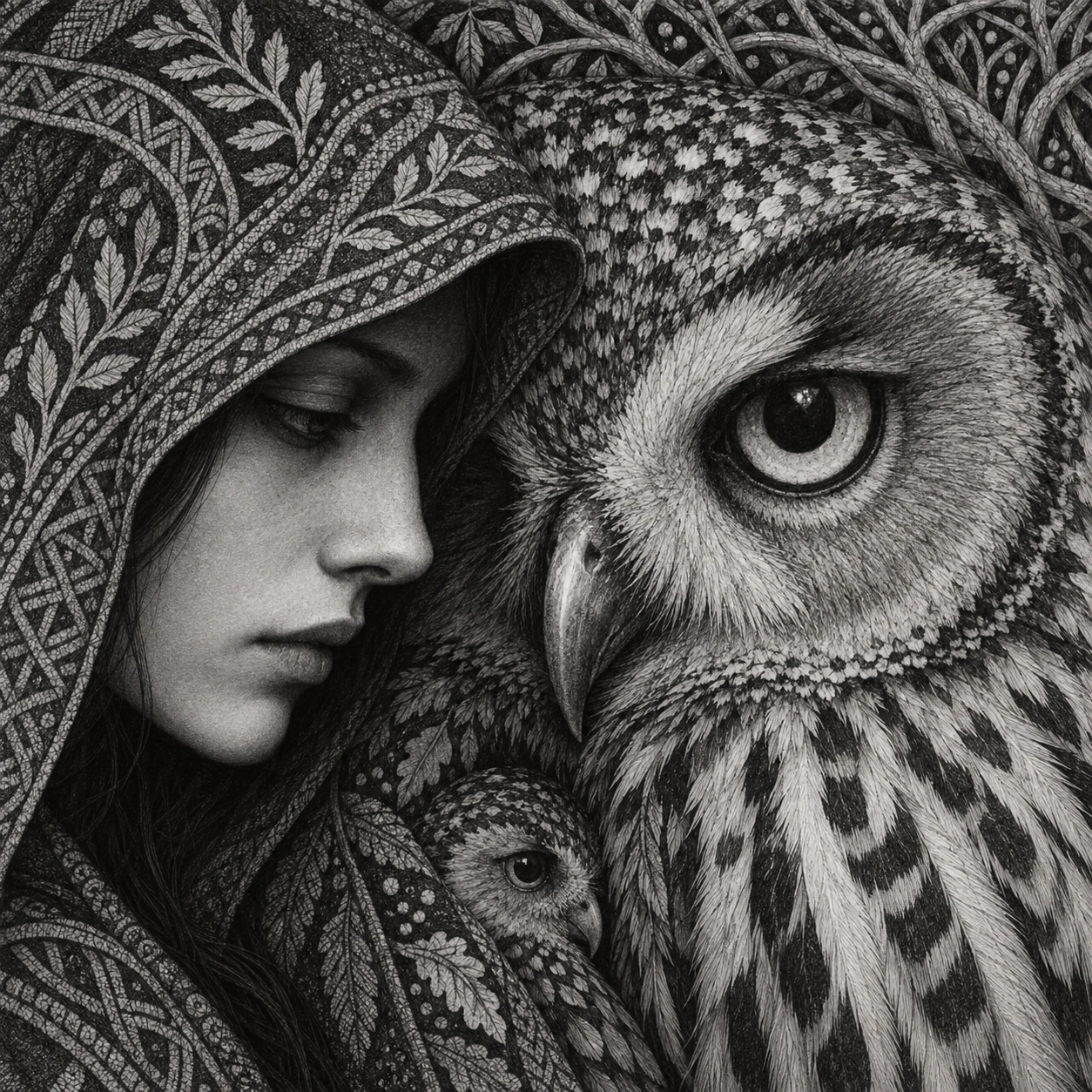 GPT Image 2.5
Reference details
- Reference ID
- 0711
- Category
- Painting
Reference prompts
Style prompt
The monochrome drawing alternates smooth graded values with exceptionally fine patterned marks. Charcoal, medium gray, silvery white, and exposed near-white are distributed so a few clean focal areas stand out from a densely worked field. Small hatches, stipples, branching lines, and scale-like textures change direction across adjacent planes, making each surface tactile and distinct. Rounded light shapes are enclosed by darker irregular contours, while neighboring patterns overlap in shallow layers. One large close form is paired with much smaller repeated details, producing an intimate sense of scale. Soft front light makes selected surfaces glow; recesses between them fall into granular charcoal rather than uniform black. The crop pushes dense forms against every edge, but clear value hierarchy prevents visual confusion. The overall effect is mysterious and richly crafted, with disciplined grayscale modeling holding together an abundance of line.Full example prompt
A square monochrome drawing places a hooded woman's partial face beside an enormous owl in a tightly cropped composition. The woman's face occupies the left side, seen in profile and partly hidden by a heavily patterned hood. A narrow eye looks downward from deep shadow; her nose, closed lips, and chin are modeled in smooth gray gradients. The hood's curving edge is filled with fine leaf-like and woven motifs, while dark hair disappears behind it. On the right, the owl's head dominates the frame. One huge round eye looks outward from a pale circular facial disk, shaded by a heavy brow and patterned feathers above. Its hooked beak points down toward the center, separating the woman's soft facial planes from the bird's dense plumage. Small overlapping feathers build a mottled crown in white, gray, and charcoal. Longer streaked feathers descend through the lower right, with dark bars alternating against pale shafts. Near the lower center, a much smaller bird head or owl figure emerges among the patterned layers, its tiny eye and beak visible beneath the larger owl. The upper background is occupied by braided and branching ornamental textures rather than open sky. Nearly every part of the drawing carries a distinct mark: minute stipples, crosshatching, feather strokes, and curving textile lines. Despite this density, the pale woman's face and the owl's luminous eye remain the first focal points. Light seems to arrive from the front-left, softly revealing skin and the owl's eye while deep charcoal shadow recedes beneath the hood and between overlapping feathers. The overall composition is intimate and mysterious, joining smooth tonal modeling with intricate black-and-white texture and a strong contrast of scale.