
Styles
#4166
Marlene Dumas style reference and prompts
Explore the “Marlene Dumas” reference with tactile surfaces and a monochrome palette. View the images, copy the style or example prompt, and discover related styles on Looksift.
Compare the Qwen Image 2.1 and GPT Image 2.5 examples, choose the visual qualities you want, and copy the style prompt for your own project.
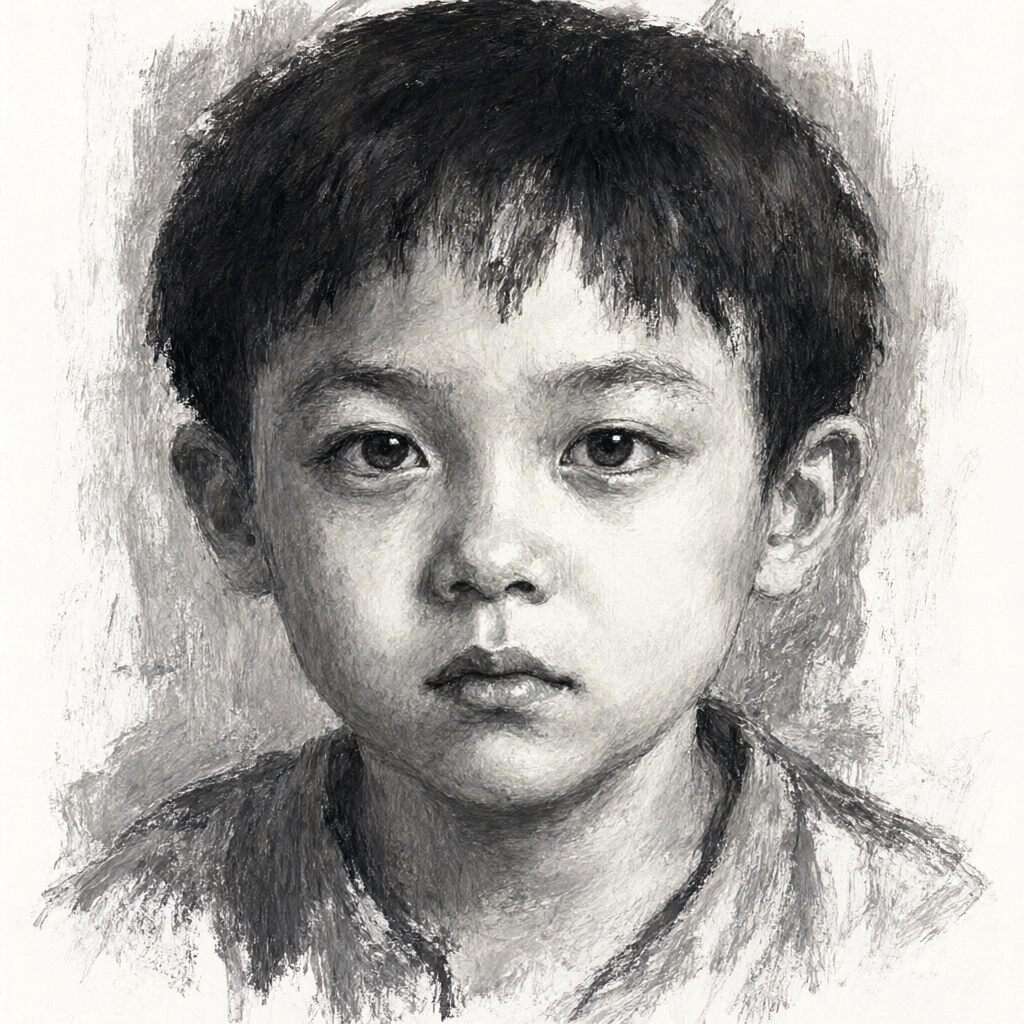 Qwen Image 2.1
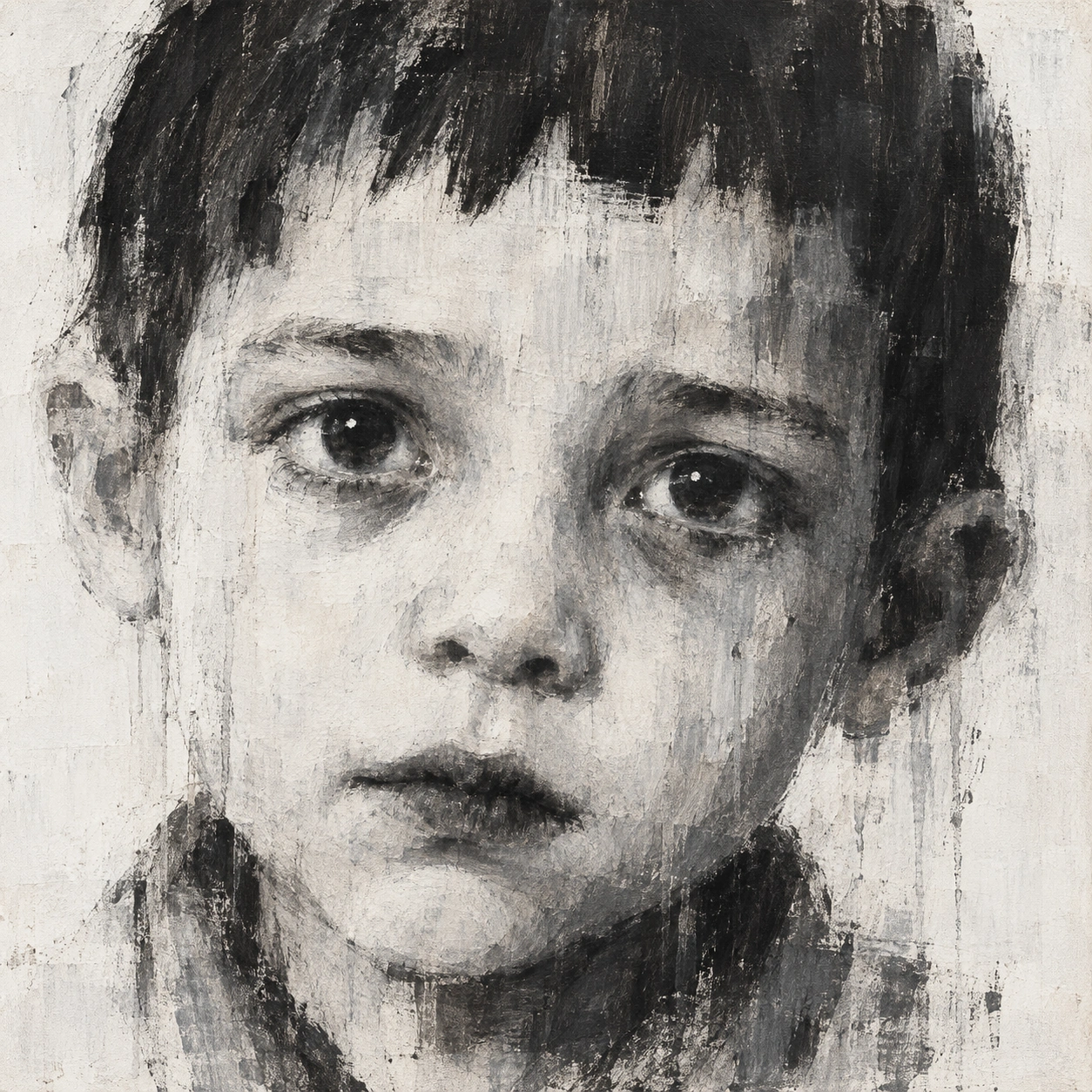 GPT Image 2.5
Reference details
- Reference ID
- 4166
- Category
- Painting
Reference prompts
Style prompt
The style is psychologically charged monochrome painting built from thin wash, dry dragging, rubbed pigment and exposed pale ground. A close crop and frontal axis concentrate attention on a few sharply legible details while the surrounding form remains provisional. Grays range from transparent stains to compact charcoal black, with broad high-key passages left unresolved. Smears, gaps and displaced contours keep the surface visibly worked. Restraint in palette heightens subtle changes of opacity, pressure and emotional tone.Full example prompt
A square painted portrait brings a child's face close to the picture plane against an almost white ground. Dark hair forms a blunt, uneven cap above large, watchful eyes; the nose is small and the mouth is a compact charcoal mark. The face is constructed from thin gray washes, rubbed black strokes and areas where the pale support remains exposed. Darkness gathers around the eyes, under the chin and along one side of the head, while the broad forehead and cheeks seem nearly erased by light. The ears and collar are indicated only loosely. Facial proportions feel recognizable but slightly displaced, so the expression is tender and uneasy at once. No room, landscape or narrative prop competes with the direct encounter. The surface remains visibly worked: vertical dragged pigment, dry-brush gaps, smudges and abrupt patches interrupt any polished illusion. The composition is nearly frontal and tightly cropped, with the head filling most of the frame. A narrow grayscale palette makes each shift in pressure and opacity matter. The painting feels provisional, as though a memory has been recovered in fragments from a pale ground. Its emotional force comes from the contrast between open vulnerable eyes and the rough, incomplete construction around them.